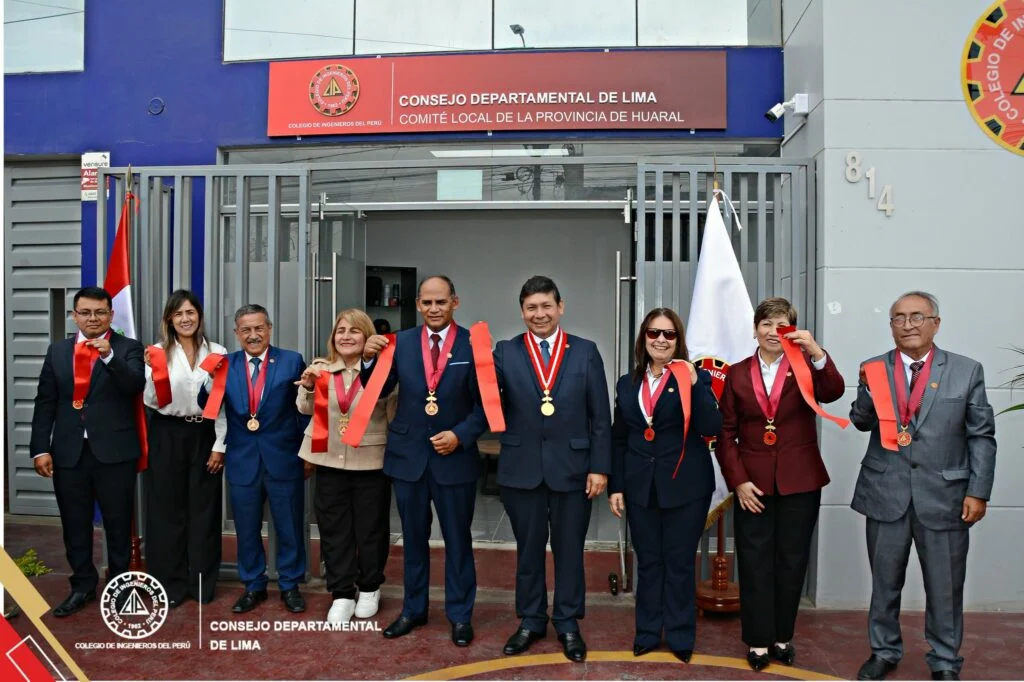
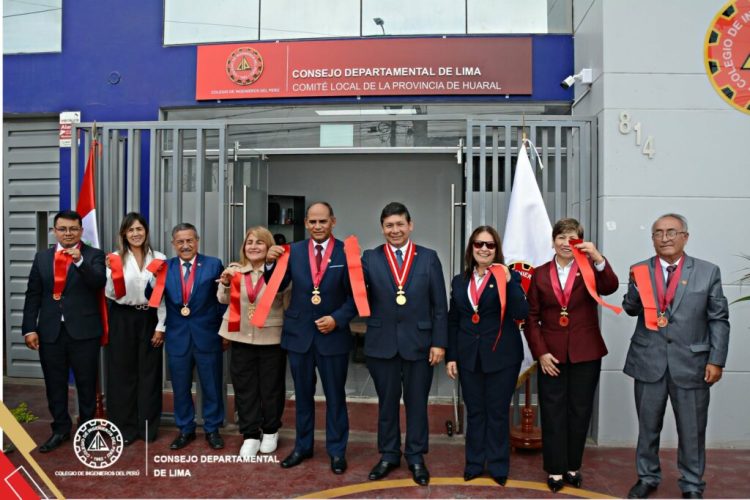
Huaral, Peru – October 26, 2026 – In a significant stride towards institutional decentralization and enhanced service delivery, the Departmental Council of Lima of the College of Engineers of Peru (CIP Lima) officially inaugurated its new headquarters for the Local Committee of Huaral. This landmark event marks a pivotal moment in the organization’s commitment to bringing its comprehensive range of services, benefits, and professional development opportunities closer to engineers practicing in this vital province. The new facility is poised to become a central hub for training, networking, and fostering the continued growth of its members.
The establishment of the Huaral headquarters is the culmination of a strategic initiative that began in October 2024. At that time, CIP Lima Dean, Eng. CIP Edwin Chavarri, pledged to champion the formation of the Huaral Local Committee. This commitment, backed by the resolute support of the Departmental Assembly and the Departmental Council of Lima, successfully led to the formation of the province’s first governing board for the committee. Subsequently, the dedicated physical space was secured and equipped, laying the foundation for robust operational capacity and improved member support.
During the inaugural ceremony, Dean Chavarri underscored the strategic importance of this new infrastructure, emphasizing that it is a direct result of meticulous institutional planning aimed at solidifying CIP Lima’s presence across the region. He highlighted the overarching goal of promoting greater engagement from engineers in the developmental trajectory of Huaral. Furthermore, Dean Chavarri assured attendees that the newly established facilities will be accessible to CIP members from other jurisdictions, thereby facilitating their seamless access to the college’s array of services and institutional activities, irrespective of their primary operational base.
A New Era of Benefits and Opportunities for Engineers
The Huaral headquarters is set to become a cornerstone for engineers in the province, offering direct access to a suite of invaluable benefits. These include the EPS SaludIng health insurance, academic scholarships designed to support continuous learning, diverse training programs tailored to current industry demands, participation in international missions that broaden professional horizons, and access to innovative employability tools. These provisions are meticulously curated to enhance professional connections and equip engineers with the resources needed to seize the numerous opportunities presented by CIP Lima.
In a forward-looking announcement, Dean Chavarri revealed the allocation of four scholarships specifically designated for members of local and provincial committees who will be participating in the upcoming international mission to Panama. This initiative underscores CIP Lima’s dedication to global exposure and collaborative learning. Moreover, the Dean passionately advocated for the decentralization of training resources, asserting that this is crucial for expanding the avenues for professional formation and specialization available to chartered engineers across Peru’s diverse provinces.
"The economic resources for engineer training must also be decentralized," stated Eng. CIP Edwin Chavarri, emphasizing the importance of equitable access to professional development funds. This statement signals a clear intent to move away from centralized models and empower regional chapters with greater autonomy and resources to cater to the specific needs of their constituents.
The inauguration ceremony was graced by the presence of esteemed dignitaries from the engineering fraternity. Presiding over the local committee is Eng. CIP Jesús Sebastián, who expressed his enthusiasm for the new chapter of collaboration and service. Also in attendance were Eng. CIP Marco Ramírez, Director Secretary of CIP Lima; Eng. CIP Lourdes Carreras, Treasurer Director; Eng. CIP Ana Mercado, Deputy Treasurer Director; Eng. CIP Luz Castañeda, Deputy Secretary Director; and Eng. CIP Verónica Cáceres, President of the Ladies’ Committee. Their collective presence underscored the widespread support and significance of this expansion.
The establishment of these new offices aligns seamlessly with the institution’s ambitious Institutional Strategic Plan towards 2030 and the Roadmap for Engineering for Governance. These visionary documents are designed to bolster the technical contributions of engineers in addressing the multifaceted challenges confronting the nation, positioning them as key stakeholders in Peru’s progress and development.
Chronology of Decentralization: From Commitment to Inauguration
The journey to establish the CIP Lima headquarters in Huaral is a testament to strategic planning and sustained effort. The process can be traced back to a pivotal moment in October 2024, when the current leadership of CIP Lima made a clear and actionable commitment to the engineers of Huaral.
October 2024: The Seed of Decentralization is Planted
The current administration of CIP Lima, led by Dean Eng. CIP Edwin Chavarri, officially declared its intention to foster the creation and formal recognition of a Local Committee in Huaral. This initial announcement was met with considerable anticipation from the engineering community in the province, who had long expressed a desire for greater local representation and access to the college’s resources. This commitment was not merely a statement of intent but a promise to actively support the logistical and administrative steps required to bring this vision to fruition.
Early 2025: Building the Foundation – Assembly and Council Approval
Following the initial commitment, the proposal to establish the Huaral Local Committee underwent rigorous review and approval processes within CIP Lima’s governing structures. The Departmental Assembly and the Departmental Council of Lima played crucial roles during this phase. Their endorsement provided the necessary institutional legitimacy and authorization for the formation of a new provincial chapter. This stage involved detailed discussions regarding the scope of the committee’s jurisdiction, its operational framework, and its integration within the broader CIP Lima structure.
Mid-2025: Formation of the First Local Board
With the institutional approvals secured, the next critical step was the election and formation of the first governing board for the Huaral Local Committee. This democratic process ensured that the leadership of the new committee would be representative of the engineers it serves. The election of this board marked a significant milestone, transforming the idea of a local committee into a tangible organizational entity with defined leadership and responsibilities. This board was tasked with the crucial work of identifying and preparing a suitable physical space for the committee’s operations.
Late 2025 – Early 2026: Securing and Equipping the Headquarters
The period following the formation of the board was dedicated to the practical realization of the new headquarters. This involved a thorough search for an appropriate location within Huaral that would be accessible to the majority of its members. Once a suitable site was identified, significant efforts were invested in its renovation and equipping. This included setting up administrative offices, meeting rooms, and spaces designated for training and professional development activities. The goal was to create a functional, welcoming, and professional environment that would effectively serve the needs of the provincial engineering community.
October 26, 2026: The Inauguration Ceremony
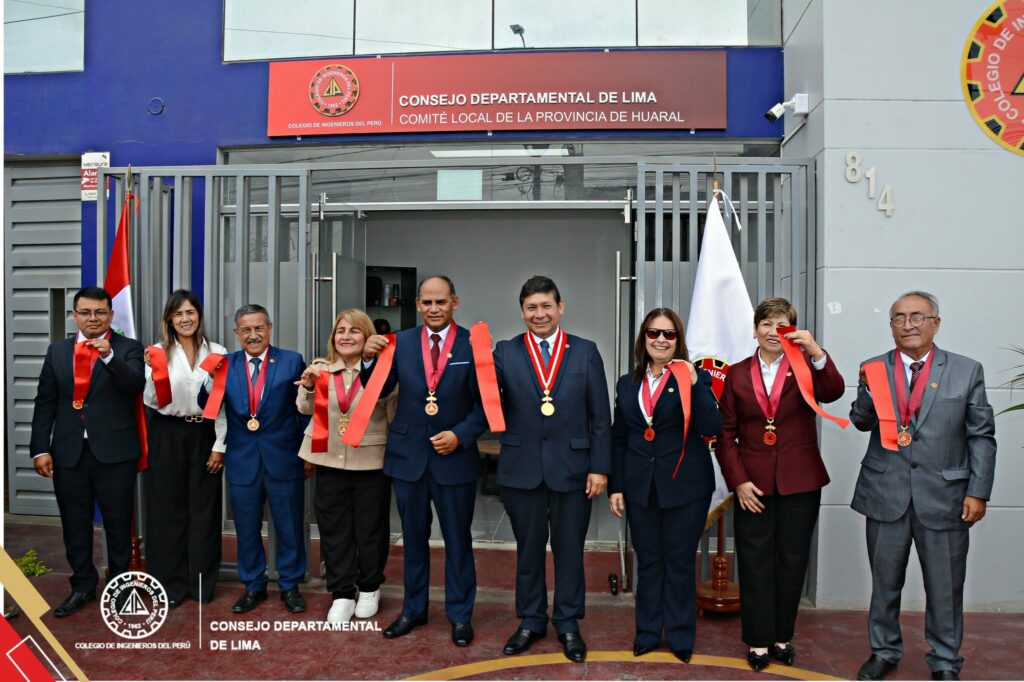
The culmination of this multi-year effort was the official inauguration ceremony. This event brought together key figures from CIP Lima, the newly established Huaral Local Committee, and members of the local engineering community. The ceremony served not only to mark the opening of the physical space but also to reaffirm CIP Lima’s dedication to its decentralization strategy and its commitment to supporting engineers at the provincial level. The presence of high-ranking officials and enthusiastic members highlighted the success and importance of this initiative.
Supporting Data and the Impact of Decentralization
The inauguration of the Huaral headquarters is more than just the opening of a new building; it represents a tangible shift in how CIP Lima engages with its provincial members. The decision to decentralize is driven by a recognition of the evolving needs of engineers across Peru and the desire to foster more inclusive and accessible professional development.
Geographic Reach and Member Distribution:
Lima, as the capital, naturally concentrates a significant portion of CIP members. However, provinces like Huaral are crucial economic and developmental hubs in their own right. By establishing a dedicated presence, CIP Lima can now more effectively serve the engineers working in sectors such as agriculture, infrastructure, and emerging industries within Huaral and its surrounding areas. This strategic placement ensures that engineers in these regions are not disadvantaged by their geographical location and have equitable access to the resources and opportunities that CIP Lima provides.
Economic Significance of Huaral Province:
Huaral is known for its significant agricultural output, particularly in the agro-export sector, and its growing importance in regional commerce and tourism. The engineering disciplines that support these sectors, including agricultural engineering, civil engineering for infrastructure development, and environmental engineering, are vital to the province’s economic health. The new CIP Lima headquarters will facilitate specialized training and networking events tailored to these local industries, fostering innovation and contributing to sustainable development.
Demographic Trends in Engineering:
While specific data for Huaral is not provided in the original text, national trends indicate a growing number of engineers, particularly younger professionals, seeking continuous learning and career advancement opportunities. The provision of scholarships, international missions, and employability tools from the new Huaral base directly addresses this demand. It empowers these engineers to stay competitive in a rapidly changing job market and to contribute to the technological advancement of their communities.
The Role of Training and Professional Development:
CIP Lima’s commitment to providing diverse training programs is crucial. For example, offering specialized courses on modern construction techniques, sustainable agricultural practices, or advanced technological applications can directly impact the productivity and competitiveness of local industries. The decentralization of training resources ensures that these programs are not limited to the capital but are accessible to engineers throughout the department, fostering a more skilled and adaptable workforce.
Official Responses and Vision for the Future
The inauguration ceremony was a platform for key figures to articulate their vision and commitment to the engineering community in Huaral and beyond. The statements made by the leadership of CIP Lima provide a clear indication of the strategic direction and the anticipated impact of this decentralization effort.
Dean Eng. CIP Edwin Chavarri’s Vision:
Dean Chavarri’s address highlighted the foundational principle behind the Huaral headquarters: "This new infrastructure responds to an institutional plan aimed at strengthening the presence of CIP Lima in the region and promoting greater participation of engineers in the development of Huaral." This statement emphasizes a dual focus: enhancing the college’s reach and actively involving engineers in their local contexts. His commitment to making the facilities available to members from other jurisdictions further demonstrates a desire for broader institutional collaboration and resource sharing.
Dean Chavarri’s proactive stance on decentralizing financial resources for training is particularly noteworthy. His assertion, "The economic resources for engineer training must also be decentralized," signals a paradigm shift. It acknowledges that the professional development needs of engineers in provinces may differ from those in the capital and that equitable distribution of funds is essential for fostering nationwide growth. This approach aims to empower local committees to tailor training programs to their specific regional demands, thereby maximizing relevance and impact.
Eng. CIP Jesús Sebastián’s Local Perspective:
As the President of the Huaral Local Committee, Eng. CIP Jesús Sebastián represents the direct beneficiaries of this initiative. His role in leading the committee signifies the local commitment to making the new headquarters a thriving center for professional activity. While his specific remarks are not detailed, his presence and leadership underscore the collaborative nature of this project, highlighting the partnership between the departmental council and the local chapter to serve the engineering community effectively.
The Strategic Alignment with National Agendas:
The explicit mention of the Institutional Strategic Plan towards 2030 and the Roadmap for Engineering for Governance situates the Huaral headquarters within a larger national framework. These documents are designed to harness the expertise of engineers to address critical national issues, from sustainable development and infrastructure modernization to public policy and good governance. By strengthening its provincial presence, CIP Lima aims to ensure that engineers at all levels are equipped and empowered to contribute to these vital national objectives. The Huaral headquarters, therefore, becomes a local node in a nationwide effort to leverage engineering talent for the betterment of Peru.
Implications for Engineering Practice and National Development
The inauguration of the CIP Lima headquarters in Huaral carries profound implications, extending beyond the immediate benefits to the local engineering community. It signifies a broader commitment to a more inclusive, accessible, and impactful engineering profession across Peru.
Enhanced Professional Mobility and Specialization:
By bringing training programs, scholarships, and networking opportunities directly to Huaral, engineers in the province are empowered to pursue specialized knowledge and enhance their skill sets without the necessity of relocating or undertaking extensive travel. This is particularly crucial for mid-career professionals and those in specialized fields that may not have a significant presence in the capital. The availability of international mission opportunities further broadens their perspectives, exposing them to global best practices and fostering international collaborations.
Strengthened Contribution to Local and Regional Development:
With a dedicated local hub, engineers can more effectively engage with local government, businesses, and community organizations. This proximity facilitates the identification of development needs, the formulation of relevant technical solutions, and the implementation of impactful projects. For Huaral, this means a more direct and responsive engineering input into its agricultural, infrastructural, and urban development initiatives, potentially leading to more sustainable and efficient growth.
Fostering a Culture of Continuous Learning and Innovation:
The new headquarters acts as a catalyst for a culture of continuous learning. By providing regular training sessions, workshops, and access to academic resources, CIP Lima is encouraging engineers to stay abreast of technological advancements and evolving industry standards. This proactive approach to professional development is vital for fostering innovation, ensuring that Peruvian engineers are at the forefront of their respective fields, and driving technological progress within the country.
Decentralization as a Model for National Progress:
The success of this decentralization initiative in Huaral can serve as a model for other provincial chapters of CIP and potentially for other professional organizations in Peru. It demonstrates that by investing in regional presence and empowering local committees, national organizations can achieve greater reach, inclusivity, and impact. This approach is crucial for ensuring that the benefits of professional development and institutional support are distributed equitably across the nation, contributing to balanced regional development and reducing the concentration of opportunities solely in the capital.
Empowering Engineers for National Governance:
The alignment with the "Roadmap for Engineering for Governance" underscores a crucial long-term implication. A strong and well-connected engineering profession, present and active in all regions, is essential for informed policy-making and effective governance. Engineers bring a unique analytical and problem-solving perspective that is invaluable in addressing complex societal challenges. By strengthening its provincial networks, CIP Lima is positioning itself to play a more significant advisory and participatory role in national and regional governance, ensuring that engineering expertise is integrated into the decision-making processes that shape Peru’s future.
In conclusion, the inauguration of the Huaral headquarters is a landmark achievement for CIP Lima, symbolizing a strategic commitment to decentralization, enhanced member services, and the empowerment of engineers across Peru. This initiative is poised to foster greater professional growth, stimulate local development, and ultimately strengthen the engineering profession’s vital contribution to the nation’s progress.