By Editorial Staff
In a landmark move to bridge the gap between vocational training and industrial demand, the Regional Government of Callao (GORE Callao) has officially commenced the construction of a state-of-the-art expansion for the Simón Bolívar Public Technological Higher Education Institute. Located in the heart of the Nuevo Pachacútec pilot project in Ventanilla, this ambitious infrastructure endeavor represents a pivotal shift in the region’s approach to human capital development. With a total investment exceeding S/ 64 million, the project is poised to transform the educational landscape for over 1,500 students, providing them with the specialized environments and advanced equipment necessary to thrive in the modern economy.
1. Main Facts: A New Era for Technical Education
The expansion of the Simón Bolívar Institute is not merely a construction project; it is a strategic investment in the youth of Ventanilla. The scope of the work is comprehensive, covering the design and build of modern academic facilities tailored for more than 10 technical career paths.
The primary objectives of this development include:
- Capacity Expansion: Accommodating an increased student population to meet the rising demand for technical skills in the Callao region.
- Specialized Infrastructure: Constructing purpose-built laboratories, workshops, and high-tech classrooms that simulate real-world working environments.
- Modernization: Providing students with up-to-date technology and machinery, ensuring they are competitive in the labor market upon graduation.
- Regional Economic Growth: By funneling skilled graduates into the local workforce, the project aims to stimulate industrial and service-sector growth in Pachacútec and surrounding districts.
The project, which has an aggressive execution timeline of 500 days, marks a significant milestone for the current regional administration, which has prioritized the decentralization of quality education.

2. Chronology of the Project
The journey to this groundbreaking ceremony has been one of rigorous planning and administrative dedication.
- Preliminary Phase (2025): The GORE Callao administration identified a critical shortage of technical training facilities in the northern sector of the region. Initial feasibility studies were conducted to determine the viability of an expansion for the Simón Bolívar Institute.
- Planning and Budgeting: Throughout 2025 and early 2026, architectural designs were finalized, and the S/ 64 million budget was secured and allocated, ensuring the financial viability of the project.
- The Groundbreaking (October 2026): The official "first stone" ceremony took place in mid-October 2026, led by Regional Governor Ciro Castillo Rojo Salas. This act signaled the formal transition from planning to active construction.
- Execution Phase (Present – 2028): With a 500-day construction schedule, the project is now entering its critical building phase, with multiple contractors mobilized to ensure that the structural framework is completed on time.
- Future Milestones: The project is slated for completion in early 2028, at which point the institution will begin the handover process for equipment installation and faculty integration.
3. Supporting Data and Economic Impact
The investment of S/ 64 million into the Pachacútec district is one of the largest educational infrastructure spends in recent Callao history. Economic analysts suggest that the project will have a multiplier effect on the local economy.
Vocational Demand vs. Supply
Current data from the Ministry of Education indicates that while technical demand is high in sectors such as logistics, port management, and industrial manufacturing, the supply of qualified personnel in Ventanilla has historically been constrained by a lack of specialized training facilities.
| Metric | Target Goal |
|---|---|
| Total Investment | S/ 64,000,000 |
| Student Capacity | 1,500+ students |
| Construction Duration | 500 Days |
| Career Tracks | 10+ specialized fields |
The inclusion of more than 10 technical career tracks is a direct response to the industrial profile of Callao, which hosts the country’s most important port and airport facilities. By aligning the institute’s curriculum with these sectors, the GORE Callao is actively lowering the barrier to entry for high-paying technical roles.
4. Official Responses and Leadership Vision
During the ceremony, Governor Ciro Castillo Rojo Salas emphasized that the project is part of a broader vision to "leave the house in order." He noted that his administration has been working tirelessly to produce over 15 technical dossiers—fully budgeted and ready for execution—to ensure that the region’s development does not stall.

"This is not just about concrete and steel," Governor Castillo Rojo stated during his address. "It is about the aspirations of the young people of Pachacútec. We are building the foundations for their future, ensuring that when they graduate, they have the competitive edge required to succeed in a globalized economy."
A Call for Civic Oversight
Recognizing the complexities of administrative transitions, the Governor took a proactive stance by inviting the local community and civil society leaders to act as active monitors. He encouraged the residents of Pachacútec to maintain a vigilant watch over the construction progress. This emphasis on "social surveillance" is designed to ensure the continuity of the project, regardless of political shifts, making the community a stakeholder in the project’s success.
"I urge the neighbors and the dirigentes to take ownership of this project," the Governor added. "Supervise it, demand quality, and ensure that the work continues unabated until every student can walk through those doors."
5. Broader Implications for Callao
The construction of the new Simón Bolívar Institute is a symbol of resilience for the Nuevo Pachacútec area. Once a site of massive informal settlement, the district is rapidly transforming into a hub of formal urban development.
Socio-Economic Mobility
Education is widely recognized as the primary engine of social mobility. By bringing a high-level technological institute to the outskirts of the city, the regional government is reducing the "geographic penalty" that many students in vulnerable areas face—specifically, the high cost and time of commuting to central Lima or Callao for quality education.

Synergy with Regional Infrastructure
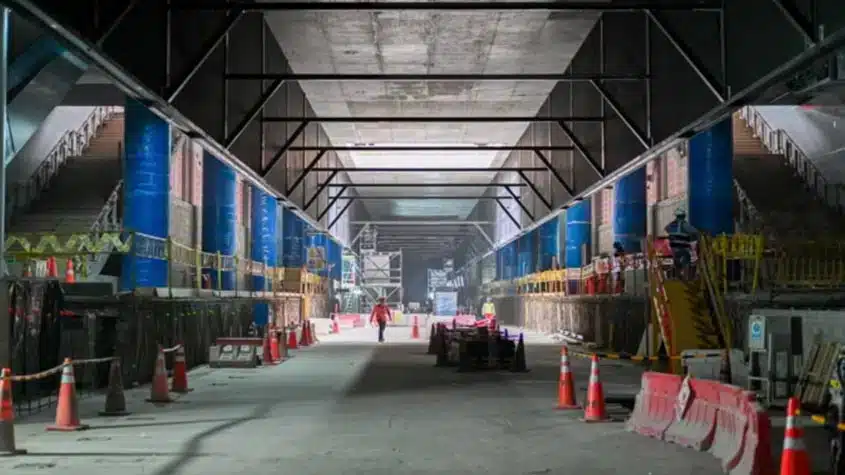
The project complements other major infrastructure developments currently underway in the region, such as the Line 2 of the Lima and Callao Metro. As transportation links improve, the newly trained workforce from the Simón Bolívar Institute will be better positioned to access employment hubs across the entire metropolitan area.
A Legacy Project
For the current regional administration, the project serves as a test of institutional maturity. By focusing on long-term capital projects rather than short-term political gains, the GORE Callao is setting a precedent for how regional governments should manage resources. If the 500-day deadline is met, the institute will serve as a permanent testament to the effectiveness of evidence-based regional planning.
Conclusion
As the concrete settles and the structure of the Simón Bolívar Institute begins to rise, the residents of Pachacútec look forward to a future defined by opportunity rather than limitation. With a clear budget, strong leadership oversight, and a commitment to civic participation, this project stands as a beacon of progress. It is a reminder that when government, community, and industry align, the result is an investment that pays dividends for generations to come—transforming the youth of today into the technical leaders of tomorrow.