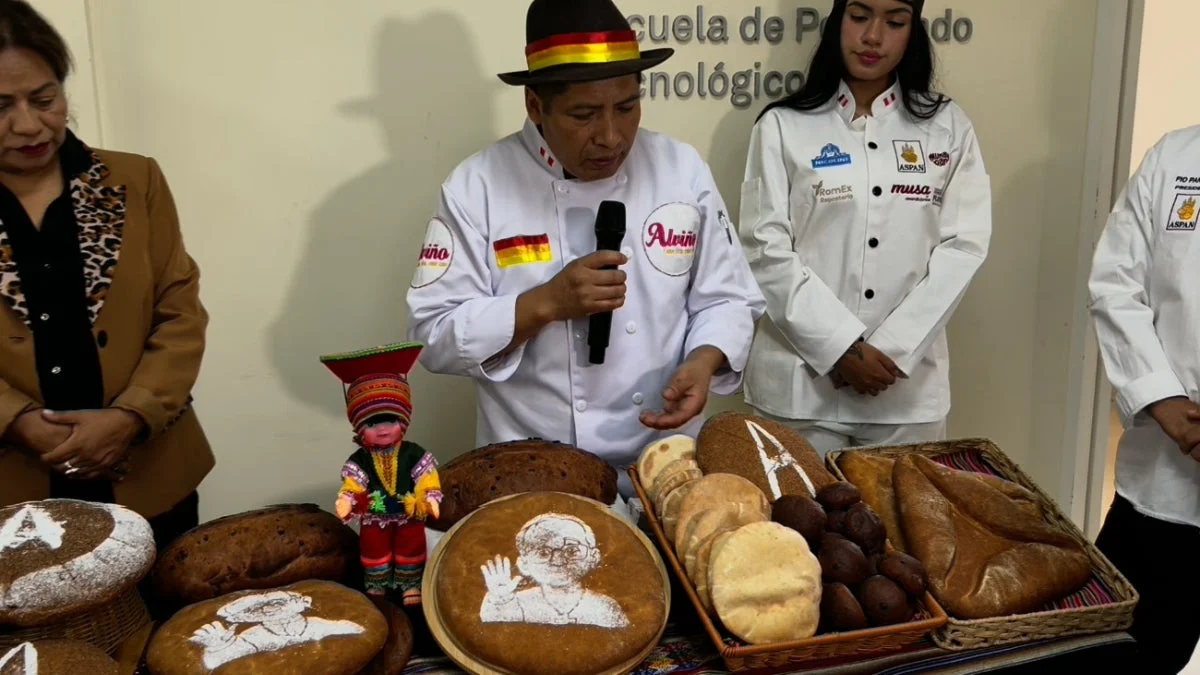
The Peruvian bakery industry, a cornerstone of the national economy and daily sustenance for millions, is currently navigating a period of significant volatility. Pío Pantoja, president of the Peruvian Association of Entrepreneurs of Bakery and Pastry (ASPAN), has issued a formal appeal to the national government, requesting immediate intervention to address the relentless rise in sugar prices. This spike in costs is exerting immense pressure on more than 23,000 bakeries across the country, threatening the stability of a sector that remains vital for food security.
While the cost of production has surged, ASPAN has moved to reassure the public, confirming that there will be no immediate price hike for the standard loaf of bread. However, the association warns that if the current market distortions remain unchecked, the repercussions could extend far beyond the daily bread, potentially jeopardizing the highly anticipated year-end panetón (fruitcake) campaign.
The Anatomy of the Crisis: Speculation vs. Supply
At the heart of the current conflict is a paradox: while national supply chains remain adequately stocked with sugar, the price at the retail and wholesale level continues to climb. Pío Pantoja describes this as a classic case of market manipulation.
"The rise in sugar prices is hurting pastry chefs, bakers, and every household in Peru," Pantoja stated during a recent press briefing. "We have petitioned the Minister of Agrarian Development and Irrigation (Midagri) to respond to this issue. We see ample stock in supply centers—it is not like previous shortages where prices rose due to a lack of supply. Today, the stock exists, but speculators, emboldened by a lack of government oversight, are artificially inflating prices and benefiting illegally at the expense of the consumer."
ASPAN argues that the absence of effective fiscalization from the state has created a vacuum where intermediaries can obscure the true value of the commodity. By hoarding or withholding inventory from the market, these actors are effectively holding the bakery sector hostage, forcing small business owners to choose between absorbing unsustainable costs or passing them on to the public.
Chronology of the Market Instability
The current situation did not emerge in a vacuum; it is the culmination of several months of economic pressures.
- Q1-Q2 2023: Initial inflationary pressures began to impact raw materials, including wheat and yeast, following global supply chain disruptions.
- Late Q3 2023: Sugar, which had remained relatively stable compared to other commodities, began a sharp upward trajectory. ASPAN began tracking wholesale price shifts that did not correlate with international commodity price movements.
- Early October 2023: Pío Pantoja formally requested an audience with the Ministry of Agriculture (Midagri) to demand a formal audit of sugar supply chains and a crackdown on speculative pricing.
- Mid-October 2023: ASPAN leadership confirmed that while they are successfully maintaining production levels, the financial threshold for many small-scale bakeries is approaching a breaking point.
The Looming Threat: The Panetón Campaign
One of the most significant implications of the current sugar crisis is the potential impact on the upcoming holiday season. In Peru, the panetón is more than a seasonal treat; it is a cultural and economic staple. The production of these cakes is highly sugar-intensive, and any sustained increase in the cost of this raw material will directly affect the final retail price.
Pantoja has warned that if the government does not intervene to normalize the sugar market, the price of panetones could see a significant increase by the time the peak production month of November arrives. For many small-scale bakers, the holiday campaign is the most profitable period of the year. If margins are eroded by excessive input costs, the economic viability of the entire sector could be undermined during its most critical season.
Climate Risks and Economic Vulnerability: The El Niño Factor
Beyond the immediate crisis of sugar speculation, the industry is bracing for the arrival of the "El Niño" phenomenon. This climatic event, which brings heavy rainfall and temperature fluctuations, poses a severe threat to agricultural production and logistics across Peru.
The prospect of disrupted transport routes and damaged harvests adds a layer of uncertainty to an already fragile supply chain. ASPAN has been vocal about the need for a proactive, state-led strategy to safeguard food supplies. The association believes that without robust agricultural policy, the synergy between climate-induced shortages and speculative pricing could lead to an inflationary spiral that hits the most vulnerable demographics the hardest.
Proposing the "BonoPan" (Bread Bonus)
In response to these multi-faceted threats, ASPAN has introduced an innovative policy proposal known as the "BonoPan." This initiative is designed to act as a social safety net, ensuring that the most vulnerable populations retain access to essential nutrition even during periods of economic volatility.
The concept behind the BonoPan is straightforward: the government would issue targeted, electronic, or physical cards to families living in poverty or those affected by emergencies. These cards would be redeemable exclusively at formal, registered bakeries.
"This is not just about supporting the bakeries; it is about ensuring that the population does not go hungry," says Pantoja. "By channeling aid directly into the formal bakery network, the state ensures that high-quality, regulated bread reaches those who need it most, while simultaneously incentivizing the formalization of the bakery sector."
The proposal is currently awaiting evaluation from the relevant government ministries. Key considerations that remain to be addressed include the identification of funding sources, the criteria for beneficiary selection, and the technological infrastructure required to implement a nationwide voucher system.
Supporting Data and Sector Statistics
To understand the scope of the crisis, it is necessary to look at the scale of the industry. ASPAN represents over 23,000 bakeries across the Peruvian territory. These businesses are largely micro and small enterprises (MSEs), which serve as the primary source of employment in many neighborhoods.
- Direct Employment: The bakery sector accounts for hundreds of thousands of jobs, ranging from artisanal bakers to logistics and sales staff.
- Market Share: Traditional bakeries remain the primary source of daily bread for 80% of the Peruvian population.
- Input Dependency: Sugar and wheat flour are the two most significant cost drivers for the industry. While wheat prices have seen some stabilization, the volatility in the sugar market has erased those gains, leaving profit margins for small bakeries at record lows.
A Celebration Amidst Challenges: The World Bread Day Fair
Despite the mounting pressures, ASPAN remains committed to its mission of promoting the value of the bakery industry. In conjunction with the celebration of World Bread Day on October 16, the association is hosting a major exhibition at the Plaza de Armas in Barranco.
Scheduled for October 16, 17, and 18, the fair serves as a platform for producers from across the country to showcase the diversity of Peruvian baking. The event will feature regional specialties, artisanal cheeses, coffee, and chocolate, highlighting the integration of the bakery sector with other pillars of Peruvian agriculture.
A notable highlight of the fair will be the introduction of the "Papa Pan" (Potato Bread) and several creative loaves inspired by historical figures, including Pope Leon XIV. These innovations serve as a testament to the resilience and creativity of the Peruvian baking community, which continues to evolve despite the economic headwinds.
Conclusion: The Path Forward
The situation facing the Peruvian bakery industry is a microcosm of the broader challenges currently confronting the nation’s economy. The tension between private enterprise and market speculation requires a sophisticated and rapid response from the state.
As ASPAN continues to lobby for oversight and the implementation of the "BonoPan," the message to the government is clear: the bakery sector is not looking for subsidies to replace hard work, but for a transparent, regulated market where speculative practices do not penalize the consumer. With the holiday season approaching, the urgency of this request cannot be overstated. The stability of the national diet, the survival of thousands of small businesses, and the affordability of the holiday table all depend on the government’s willingness to act decisively against those who profit from artificial scarcity.
For now, the ovens remain on, the bread continues to be baked, and the industry waits to see if the Ministry of Agriculture will prioritize the livelihoods of thousands over the profits of a few.