By International News Desk
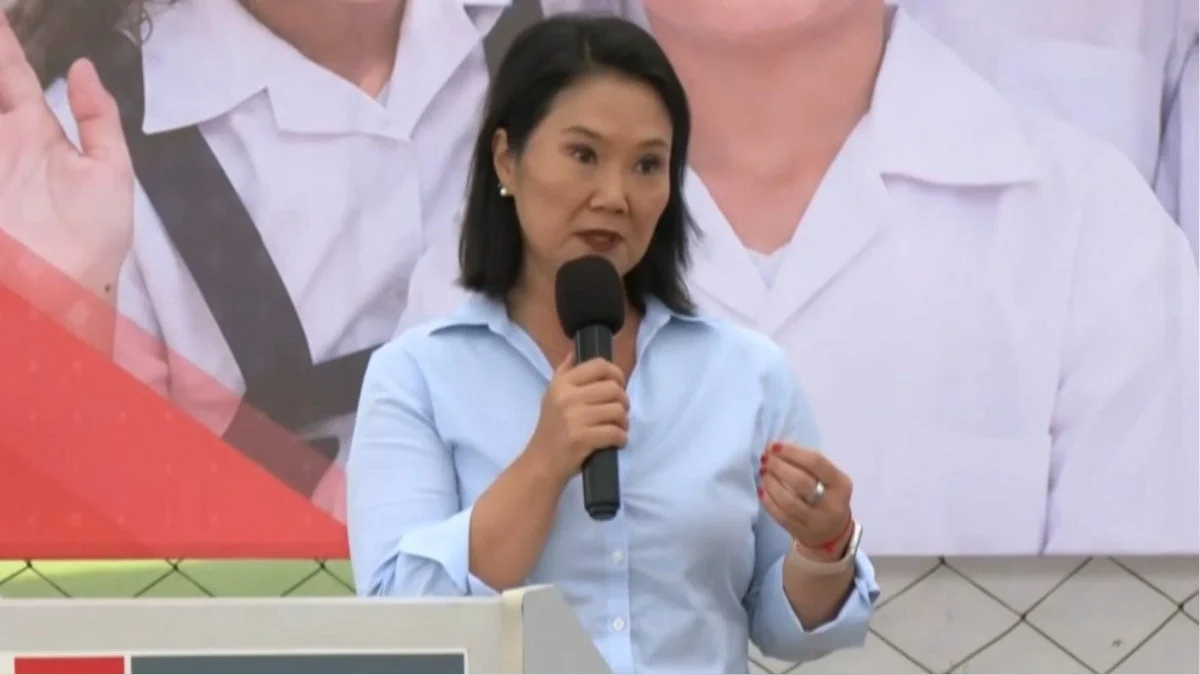
In a decisive move to reshape the educational landscape, the President of the Republic, Keiko Fujimori, has officially unveiled a comprehensive new regulatory framework titled the "Guidelines for the Management of School Discipline." The announcement, made during a high-profile visit to the Felipe Santiago Estenos educational institution in the district of Chaclacayo, signals a fundamental shift in how the Peruvian government intends to govern student conduct, authority in the classroom, and the overall moral fabric of the nation’s public school system.
The policy, which has already sparked intense national debate, aims to replace what critics have termed "educational permissiveness" with a return to traditional, authority-based schooling. Central to this new mandate is the reinstatement of student expulsion as a tool for managing severe behavioral issues, the reintroduction of formal conduct grading, and the enforcement of rigid grooming and hygiene standards.
The Pillars of the New Disciplinary Framework
The cornerstone of the President’s address was the explicit declaration that the government will no longer tolerate disruptions to the educational process. "By a few ill-behaved students, we are not going to disturb the peace of the great majority of students who come here to learn and to grow," President Fujimori stated.
The new framework establishes a tiered approach to discipline. While the government acknowledges the need to provide opportunities for correction, it emphasizes that persistent misconduct will no longer be met with impunity. The key components of the new system include:
- Reinstatement of Expulsion: The authority to expel students for grave behavioral infractions is being restored to school administrations. This measure is positioned as a safeguard to protect the learning environment for the majority of students.
- Restoration of Conduct Grading: Teachers will once again have the authority to assign formal grades for student behavior, a practice that had been largely phased out in recent years. This is intended to empower educators to enforce standards of respect and decorum.
- Zero-Tolerance for Bullying: The policy explicitly targets physical and sexual harassment within school walls. The administration has vowed to treat such cases as potential criminal matters, involving the National Police and the Public Ministry when necessary.
- Strict Grooming and Hygiene Codes: Perhaps the most controversial aspect of the mandate involves prescriptive requirements for student appearance, including mandatory short hair for male students and a total ban on hair dyeing and makeup for female students.
Chronology of the Policy Shift: From Permissiveness to Authority
To understand the weight of this announcement, one must look at the recent history of the Peruvian education system. Over the past decade, several human rights organizations and educational advocacy groups pushed for a more "student-centered" approach, which led to the gradual removal of punitive measures like expulsion and conduct grades.
Critics of the previous system argued that these changes left teachers "cornered" and unable to maintain order in the classroom. President Fujimori highlighted this sentiment during her speech, noting that teachers had previously felt discouraged from calling out misbehavior for fear of administrative reprisal.
- Pre-2020s: Traditional disciplinary measures, including strict dress codes and conduct reports, were standard across the public school system.
- 2020–2025: A period of reform focused on student rights and psychological well-being led to the de-emphasis of punitive discipline. Educational authorities shifted focus toward counseling and mediation.
- Late 2026: Mounting reports of classroom disruption and rising concerns regarding bullying prompted the current administration to initiate a review of the national disciplinary policy.
- October 2026: The formal announcement of the "Guidelines for the Management of School Discipline" marks a return to the "authority-based" model of the late 20th century.
Supporting Data and the Rationale for "Order"
The government’s justification for these measures relies on the belief that a structured, disciplined environment is a prerequisite for academic success. According to the Ministry of Education, data from the past three years suggests a correlation between low levels of classroom discipline and a decline in standardized test scores in public schools.
"Discipline is the bedrock of learning," noted a spokesperson for the Ministry. The administration argues that by removing "disruptive elements" through expulsion, the overall quality of education for the remaining student body will improve significantly. Furthermore, the focus on grooming—while labeled as "strict" by the President—is framed as a preparation for "the real world," where personal presentation and adherence to rules are seen as markers of professional maturity.
Official Responses and Public Reaction
The reaction to the announcement has been polarized, reflecting the broader political divide in Peru.
The Government’s Defense
President Fujimori has been steadfast in her defense of the measures. Addressing students directly, she argued that while the rules may seem rigorous, they are designed to teach children that "there are limits, rights, and obligations." She emphasized that the state is not seeking to punish for the sake of punishment, but to create a "culture of respect."
The Teacher’s Perspective
Many educators have expressed relief at the restoration of their authority. The President quoted a school director who had remarked that teachers previously felt unable to intervene in student disputes. By providing a clear framework for discipline, the government hopes to restore the teacher’s role as an authority figure rather than a mere facilitator.
Civil Society and Human Rights Concerns
Conversely, human rights organizations have voiced concerns regarding the potential for abuse and the lack of emphasis on student development. Critics argue that focusing on "short hair" and "makeup bans" is a superficial approach that ignores the underlying psychological factors of student behavior. There are also fears that the power to expel students could be used disproportionately against marginalized or vulnerable populations, potentially leading to higher dropout rates.
Implications for the Future of Peruvian Education
The implementation of these guidelines will have profound implications for the Peruvian school system.
1. The Legal and Judicial Nexus
By involving the Public Ministry in cases of bullying, the government is blurring the line between school administration and the justice system. While this may serve to deter violent behavior, it also raises questions about the threshold for criminalizing student conduct. Schools will now need to establish clear protocols for when a disciplinary issue transitions into a legal one.
2. A Shift in School Culture
The mandate effectively ends the era of "student autonomy" that characterized the previous decade. Schools are expected to transition back to a more hierarchical model. For the student body, this means adapting to a new environment where grooming and behavioral compliance are explicitly monitored and graded.
3. The Challenge of Implementation
The success of this policy will depend on the consistency of its application. If the "drastic" measures promised by the government are applied unevenly across the country, it could lead to widespread frustration. Furthermore, the government faces the challenge of ensuring that the "restorative" aspect—the initial warnings and counseling—is not ignored in favor of the more punitive measures.
4. Long-term Socio-Economic Impact
The administration believes these rules will produce a generation of citizens who respect authority and value discipline. However, some sociologists warn that an overly rigid environment could stifle creativity and independence, potentially producing a workforce that is well-behaved but less equipped for the modern, innovative global economy.
Conclusion: The Path Ahead
The reinstatement of expulsion and the introduction of strict hygiene codes represent a bold, albeit contentious, gamble by the Fujimori administration. By prioritizing order and authority, the government is attempting to correct a perceived decline in educational standards. Whether this return to traditional discipline will result in higher academic performance and safer classrooms, or whether it will create new frictions within the school system, remains to be seen.
As the guidelines take effect across the country, the eyes of the nation will be on its schools. For now, the message from the top is clear: the classroom is a space for learning, and in that space, the teacher, the director, and the rules of the state will be the final arbiters of conduct. The coming months will be a critical testing period for the efficacy of these new measures and for the resilience of the Peruvian educational community in adapting to this new, more rigid status quo.