Fénix Power, the Peruvian subsidiary of the Chilean energy giant Colbún, is currently navigating a pivotal phase in its corporate history. With a clear vision to double or triple its installed capacity in Peru, the company is positioning itself as a cornerstone of the country’s transition toward a diversified energy matrix. However, this ambition is tempered by a cautious, pragmatic approach that prioritizes long-term viability over immediate expansion. As the company continues to mature its renewable energy portfolio, it faces a complex landscape defined by regulatory hurdles, social challenges, and the fundamental need for infrastructure reliability.
Main Facts: A Dual-Track Strategy
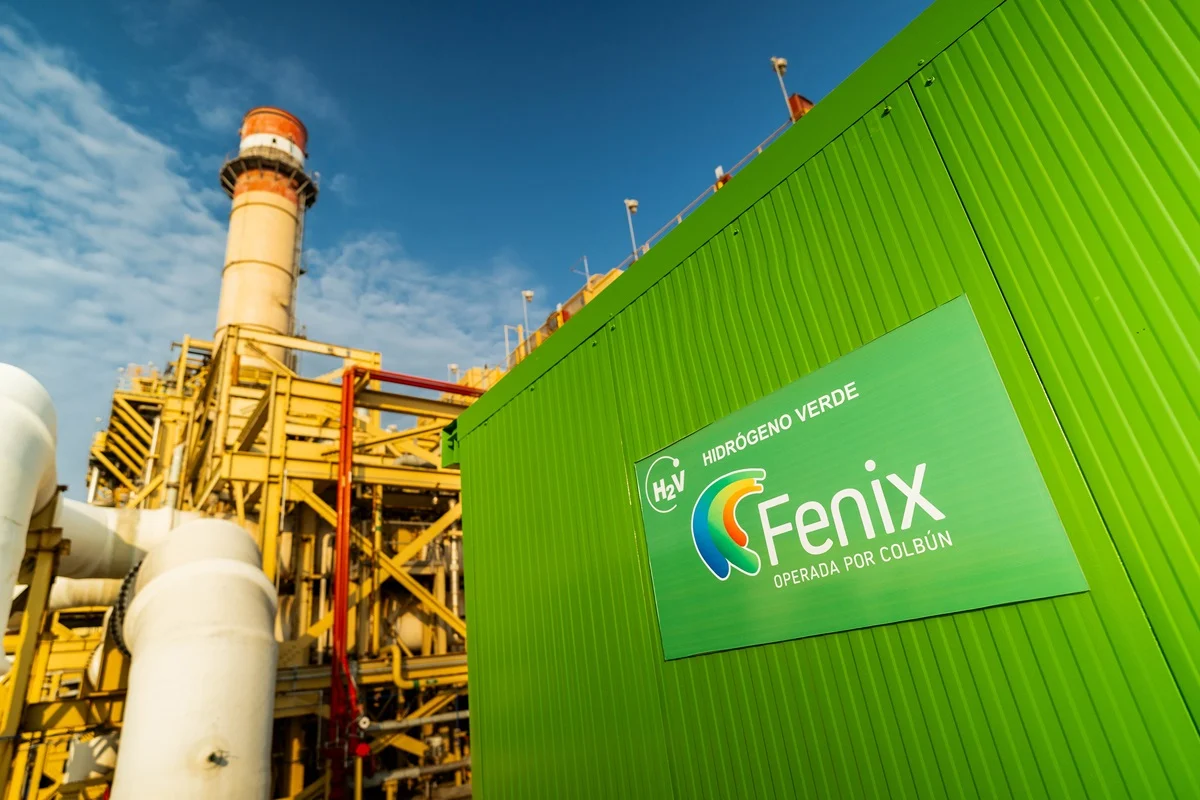
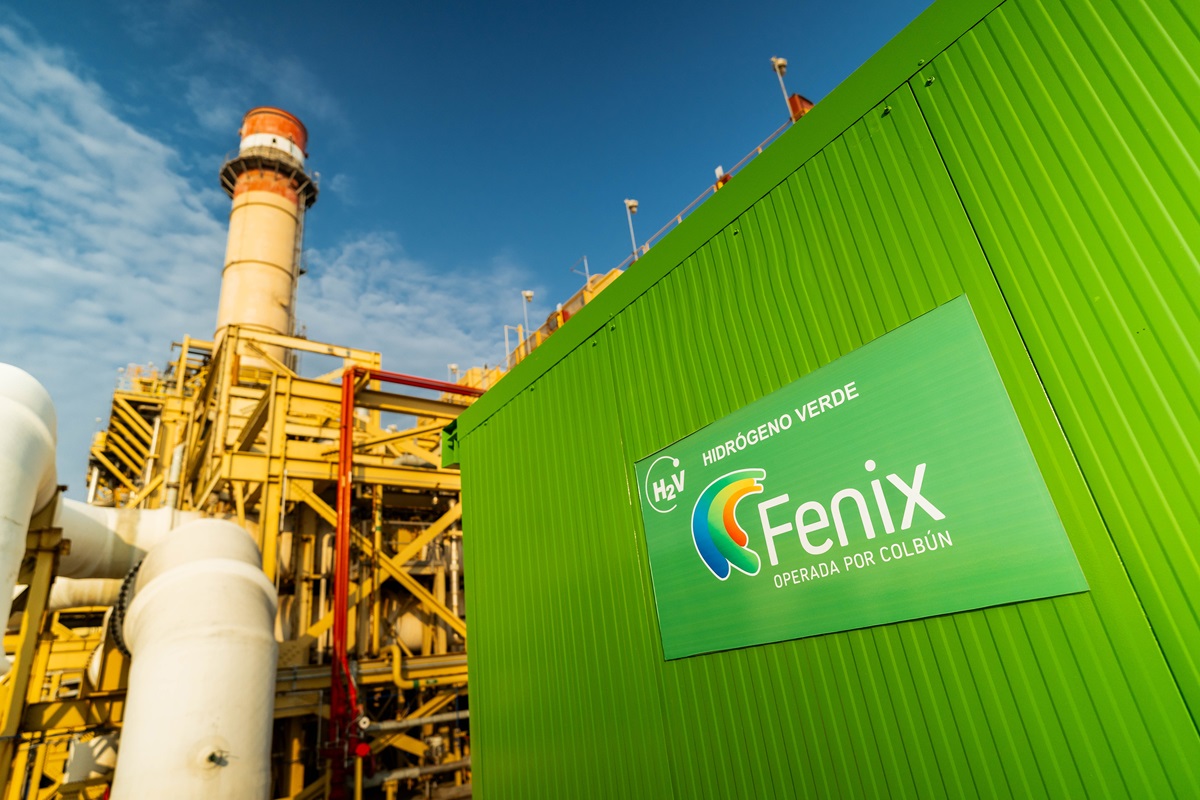
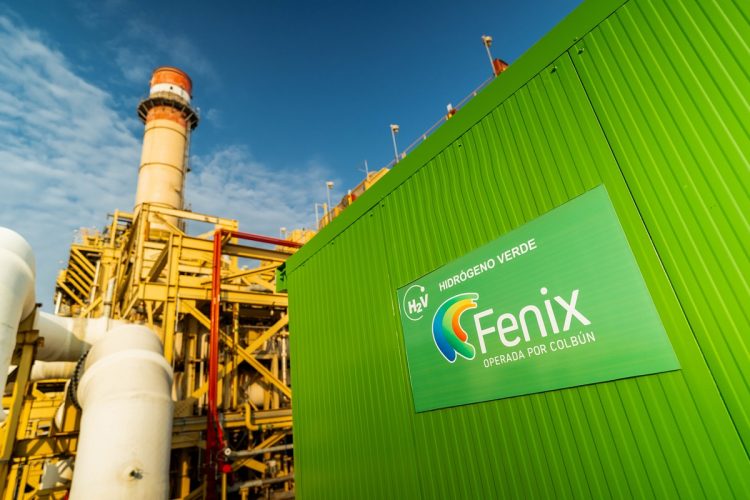
At the heart of Fénix Power’s growth strategy is a deliberate "dual-track" approach. On one hand, the company leverages its flagship asset, the Chilca thermoelectric plant, which runs on natural gas. This facility acts as a financial and operational bedrock, providing the reliable baseload power necessary to serve large-scale industrial clients in the Lima metropolitan area.
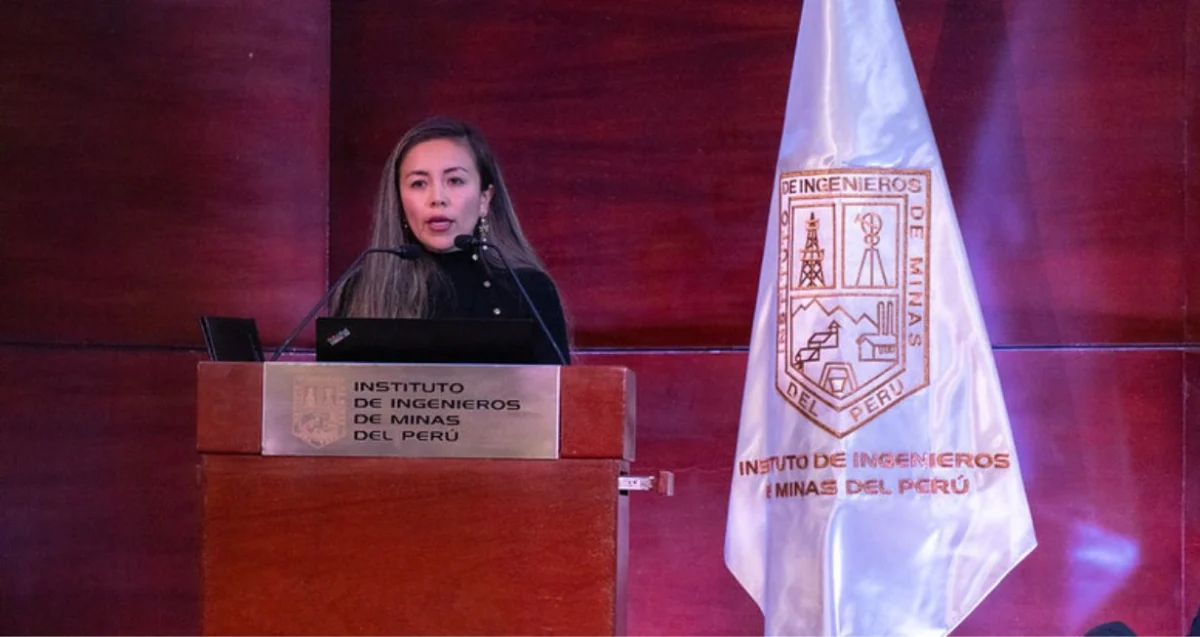
On the other hand, Fénix is aggressively building a portfolio of renewable energy projects designed to capture the growing demand for green energy among mining and heavy industrial sectors. According to Juan Elías Salinas, General Manager of Fénix Power, the company’s investment decisions are not driven by arbitrary deadlines but by the maturation of these projects and the procurement of firm contracts with major clients.
"Today, we are developing a portfolio of renewable projects. Our investment decisions are being analyzed based on the future contracts we expect to secure with clients," Salinas stated during the XXI Chile-Peru Business Council meeting. This disciplined approach ensures that capital expenditure is only committed when demand is guaranteed, mitigating the risks inherent in the volatile energy market.
Chronology of Development and Setbacks
The company’s path toward a greener future has been marked by significant milestones, as well as sobering lessons in project development.
- Portfolio Inception: Colbún presented a robust pipeline of six renewable energy projects in Peru, totaling approximately 2,100 MW of potential capacity.
- The Naylamp Lesson (2024-2025): The 238 MW wind project in Lambayeque served as a stark reminder of the complexities of social license in Peru. The company officially abandoned the project after failing to secure the necessary community support, emphasizing that technical and financial feasibility are secondary to social harmony in project execution.
- Engineering Pivot for Tres Quebradas: The 238 MW wind farm in Arequipa, Tres Quebradas, remains in the pipeline but is currently undergoing a comprehensive engineering redesign. The company is re-evaluating the layout to optimize performance, a process expected to last between one and two years.
- Expansion in Ica (September 2026): The Ministry of Energy and Mines (MINEM) granted a temporary concession for feasibility studies for the Parque Eólico Pampas II (255 MW). This project, located in the districts of Santiago and Ocucaje, represents the most recent concrete step in the company’s regional expansion.
Supporting Data: Operational Performance
The financial health of Fénix Power provides the necessary "oxygen" for these long-term investments. Recent performance metrics from the second quarter of 2026 illustrate a company in a strong growth trajectory:
- Production Surge: The company increased its power generation by 57% year-on-year, reaching 1,052 GWh.
- Revenue Growth: Ordinary income jumped by 20%, totaling US$68.6 million, largely supported by the commencement of a key contract with Pluz Energía and expanded capacity agreements with Electro Oriente.
- Profitability: EBITDA rose by 26%, reaching US$26 million.
These figures underscore the company’s ability to maintain fiscal discipline while aggressively pursuing market share. By targeting industrial hubs outside of Lima, Fénix aims to decentralize its operations, thereby avoiding the transmission congestion issues that have historically plagued other generators in the Peruvian energy market.
Official Responses and Regulatory Challenges
During the Future Energy Summit 2026, Juan Elías Salinas was candid regarding the hurdles facing the sector. He emphasized that the primary obstacle to rapid development is the lack of "regulatory predictability."
"Predictability over time is what allows for long-term investment. Without that signal, it is difficult to make investment decisions, because as companies, we need to approach our boards with a scenario that offers the greatest possible certainty," Salinas argued.
The industry is currently awaiting the publication of several pending regulations, specifically those concerning procurement processes for regulated clients—a mechanism that has remained dormant since 2016. The industry anticipates that these regulations will be finalized within the next three to four months, potentially unlocking a new wave of investment across the sector.
Furthermore, the vulnerability of the national energy infrastructure was highlighted during the March 2026 emergency involving the Transportadora de Gas del Perú (TGP) pipeline. The event served as a wake-up call regarding the fragility of the supply chain from the Camisea gas fields. Salinas noted that while Fénix managed to maintain operations, the incident proved that Peru must prioritize the reinforcement of its gas infrastructure to achieve a level of energy security comparable to that of its neighbor, Chile.
Implications for the Future
Looking toward 2027 and beyond, Fénix Power is not rushing into short-term announcements. The company’s philosophy is rooted in the "five to ten-year" horizon.
Key Implications:
- Strategic Decentralization: By focusing on projects in Moquegua, Arequipa, and Ica, Fénix is effectively positioning itself closer to the nation’s primary industrial and mining consumers. This reduces reliance on the already congested central transmission lines and ensures a more reliable delivery of energy to critical sectors.
- Social License as a Core Competency: The abandonment of the Naylamp project has fundamentally changed how Fénix approaches community engagement. The company now treats social viability as a foundational element of the pre-feasibility phase rather than a secondary regulatory box to be checked.
- The "Bayóvar+" Benchmark: As the largest project in the pipeline—a 660 MW wind farm in Piura requiring an estimated US$950 million investment—Bayóvar+ serves as the litmus test for the company’s future scale. Its development will likely signal to the market whether the regulatory and economic environment is sufficiently matured to sustain large-scale capital infusion.
- Integration of Gas and Renewables: The continued operation of the Chilca plant is not an abandonment of sustainability goals, but a strategic bridge. By using the reliable revenue of the gas-fired plant to fund the high-capital costs of wind and solar, Fénix is creating a self-sustaining model for energy transition.
In conclusion, Fénix Power’s journey reflects the broader challenges and opportunities within the Peruvian energy landscape. The company is not merely seeking to expand its footprint; it is seeking to redefine its role in a market that is increasingly demanding both higher reliability and greater sustainability. Whether the company succeeds in its goal to double or triple its capacity depends heavily on the government’s ability to provide a clear, stable regulatory framework and the company’s ability to continue balancing the technical demands of engineering with the complex, human demands of the communities in which it operates. As it stands, Fénix Power remains a calculated, cautious, yet highly ambitious player in the race to power Peru’s future.