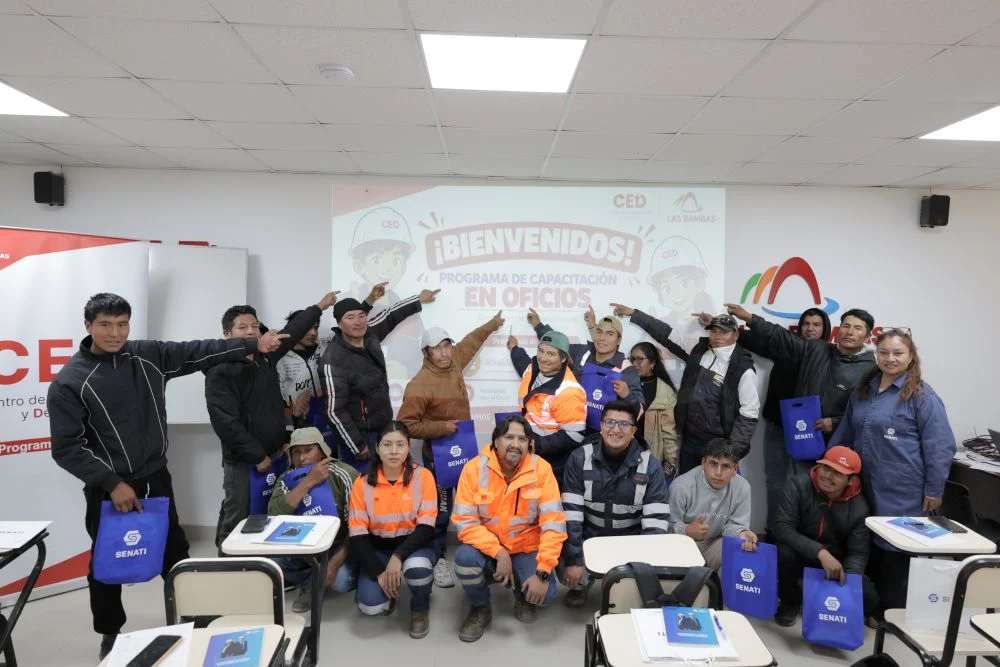
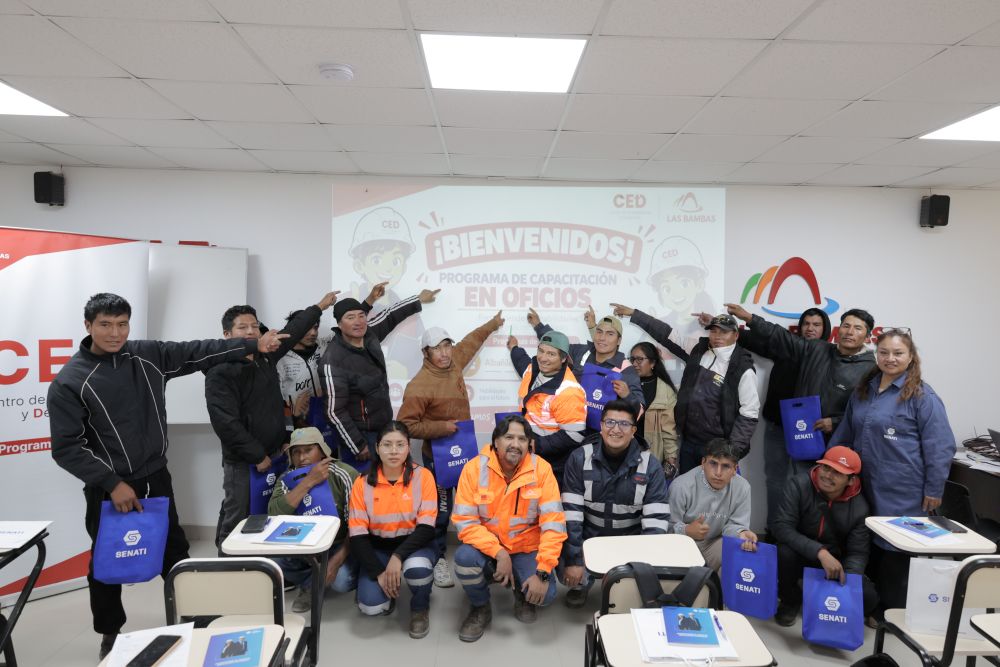
Cotabambas, Peru – In a significant initiative aimed at bolstering local employability and fostering economic development, Minera Las Bambas, through its Center for Employability and Development (CED), has launched a comprehensive technical training program for residents of various communities within the Cotabambas province. This intensive program, delivered in partnership with the renowned National Training Service for Industrial Work (SENATI), focuses on equipping participants with essential construction and civil engineering skills, thereby expanding their vocational horizons and creating pathways to sustainable employment opportunities.
The program, spanning 17 intensive days, provides a total of 136 hours of specialized training. A substantial 106 hours are dedicated to hands-on practical activities, complemented by 30 hours of theoretical instruction. This balanced approach ensures that participants not only grasp the underlying principles of construction but also gain the practical expertise necessary to excel in real-world scenarios. The curriculum is designed to impart skills in critical areas such as masonry, ironworking, and formwork, all of which are directly applicable to a wide range of construction projects and civil engineering works.
This strategic investment in human capital underscores Las Bambas’ commitment to fostering self-sufficiency and economic resilience within the communities surrounding its operations. By providing high-quality technical education, the company aims to empower individuals, enhance their skill sets, and ultimately contribute to the socioeconomic upliftment of the Cotabambas region. The program’s design reflects a deep understanding of the local labor market demands and the potential for growth within the construction sector, both regionally and nationally.
The Genesis of a Skills-Building Initiative
The establishment of the Center for Employability and Development (CED) by Minera Las Bambas marked a pivotal step in the company’s broader social responsibility strategy. Recognizing the importance of aligning economic development with community well-being, the CED was conceived as a dedicated entity to identify, cultivate, and leverage local talent. Its core mission revolves around bridging the gap between the skills possessed by community members and the demands of the modern workforce, particularly within sectors relevant to mining and its associated industries.
The decision to partner with SENATI, a national institution with a long-standing reputation for excellence in vocational training, was a deliberate one. SENATI’s proven track record in delivering industry-relevant curricula and its extensive network of training facilities provided a robust foundation for the program’s success. This collaboration ensures that the training modules are not only comprehensive but also adhere to national standards, thereby enhancing the credibility and value of the certifications awarded to participants.
The specific focus on masonry, ironworking, and formwork was a direct response to identified needs within the region. These are fundamental trades essential for any construction endeavor, from residential buildings to large-scale infrastructure projects. By mastering these skills, participants gain a versatile and in-demand professional profile, opening doors to a multitude of employment possibilities. The program’s emphasis on practical application ensures that graduates are job-ready from day one, capable of contributing effectively to construction sites and civil engineering projects.
A Chronology of Skill Development: From Theory to Practice
The 17-day training program is meticulously structured to provide a progressive learning experience, building foundational knowledge before moving to complex applications. The initial phase typically involves theoretical instruction, where participants are introduced to the core concepts and safety protocols relevant to the construction industry. This foundational knowledge is crucial for understanding the "why" behind the practical tasks they will undertake.
Theoretical Modules: The 30 hours dedicated to theoretical content cover a broad spectrum of essential knowledge. This includes an in-depth exploration of safety regulations specific to construction and mining environments, which is paramount given the inherent risks associated with these sectors. Participants learn about hazard identification, risk assessment, and the implementation of preventive measures to ensure a safe working environment.
Crucially, the curriculum emphasizes the ability to interpret technical drawings and blueprints. This skill is fundamental for any construction professional, enabling them to understand project specifications, layouts, and material requirements. Proficiency in reading plans is a direct gateway to more complex roles within construction teams.
Furthermore, participants receive instruction on the proper selection, use, and maintenance of tools and materials. This not only ensures efficiency and quality of work but also promotes longevity of equipment and adherence to safety standards. Discussions on material properties, their applications, and best practices for handling and storage are integral to this module.
Practical Application Modules: The bulk of the training, 106 hours, is devoted to hands-on practice. This immersive approach allows participants to translate theoretical knowledge into tangible skills. Under the guidance of experienced instructors, they engage in a variety of practical exercises designed to simulate real-world construction tasks.
This includes the construction of foundations, which are the bedrock of any structure. Participants learn different types of foundations, their appropriate uses, and the techniques for their proper installation. They also delve into the intricacies of building slabs, understanding reinforcement techniques and concrete pouring methodologies.
The program also covers drainage systems, a critical component of any construction project for ensuring structural integrity and preventing water damage. Participants gain practical experience in designing and installing various drainage solutions.
A significant portion of the practical training focuses on structural elements. This involves learning about the assembly and erection of structural components, understanding load-bearing principles, and ensuring the stability of buildings.
Finally, the program dedicates substantial time to formwork. This is a vital aspect of concrete construction, involving the creation of temporary molds that hold the concrete in place until it hardens. Participants learn about different types of formwork, their assembly, disassembly, and the safety considerations associated with their use. The emphasis on practical application ensures that participants develop muscle memory and a deep understanding of the physical demands and techniques involved in these trades.
A Capstone of Competence: The Final Integrator Project
A distinctive feature of the training program is the inclusion of a final integrative project. This project serves as a culminating assessment, allowing participants to synthesize and apply all the knowledge and skills acquired throughout the 17 days. It provides a real-world scenario where they must plan, execute, and complete a construction-related task from start to finish.
This project is not merely an academic exercise; it is designed to mirror the challenges and demands of actual construction sites. Participants will likely work in teams, fostering collaboration and communication skills, which are essential in professional environments. They will be expected to manage their time, allocate resources effectively, and adhere to safety protocols throughout the project’s duration.
The successful completion of this final project demonstrates a participant’s readiness to enter the workforce. It serves as tangible evidence of their acquired competencies and their ability to perform specific tasks with confidence and proficiency. This project is instrumental in building participants’ self-assurance and providing them with a concrete example of their capabilities to present to potential employers. It is a crucial step in bridging the gap between training and meaningful employment.
Supporting Data and the Impact on Employability
While specific numbers on past graduates and their subsequent employment rates were not provided in the initial text, the program’s design inherently targets enhanced employability. The skills being imparted—masonry, ironworking, and formwork—are consistently in demand across Peru’s construction sector. According to national labor statistics, skilled tradespeople are a cornerstone of infrastructure development and urban expansion.
The training provided by Las Bambas, in collaboration with SENATI, offers several key advantages for participants seeking employment:
- Industry-Recognized Certification: Graduates will receive certifications from SENATI, a highly respected institution that lends significant weight to their qualifications in the job market. This formal recognition validates their skills and knowledge to potential employers.
- Practical Experience: The extensive hands-on component of the training ensures that participants are not just theoretically knowledgeable but also practically capable. This reduces the onboarding time for employers and makes graduates more attractive hires.
- Safety Training: The emphasis on safety protocols is critical. In industries where safety is paramount, individuals who are well-versed in safety procedures are highly valued. This aspect of the training not only protects the worker but also contributes to the overall safety record of a project.
- Broader Skill Set: By focusing on foundational trades, the program equips individuals with a versatile skill set that can be applied to a wide array of construction projects, from residential buildings to commercial structures and potentially even infrastructure projects related to mining operations.
The CED’s role as a facilitator is also crucial. By connecting trained individuals with potential employment opportunities, Las Bambas acts as a vital intermediary, ensuring that the skills developed translate into actual jobs. This proactive approach to job placement significantly increases the likelihood of successful employment outcomes for participants.
The long-term impact extends beyond individual employment. A more skilled local workforce can attract investment in local businesses, contribute to the development of local infrastructure, and ultimately improve the overall economic well-being of the Cotabambas province. This initiative represents a sustainable model for community development, where investment in human capital yields tangible and lasting benefits.
Official Responses and Stakeholder Perspectives
The initiative has garnered positive responses from various stakeholders, highlighting its perceived value and effectiveness.
Minera Las Bambas: The company’s commitment to this program is articulated through the actions of its Center for Employability and Development (CED). A spokesperson for Las Bambas stated, "Our goal at Las Bambas is to be a catalyst for sustainable development in the regions where we operate. This technical training program is a direct manifestation of that commitment. By empowering the local population with valuable skills, we are not only enhancing their individual opportunities but also contributing to the broader economic growth of Cotabambas. We believe that investing in our people is the most effective way to build strong and resilient communities."
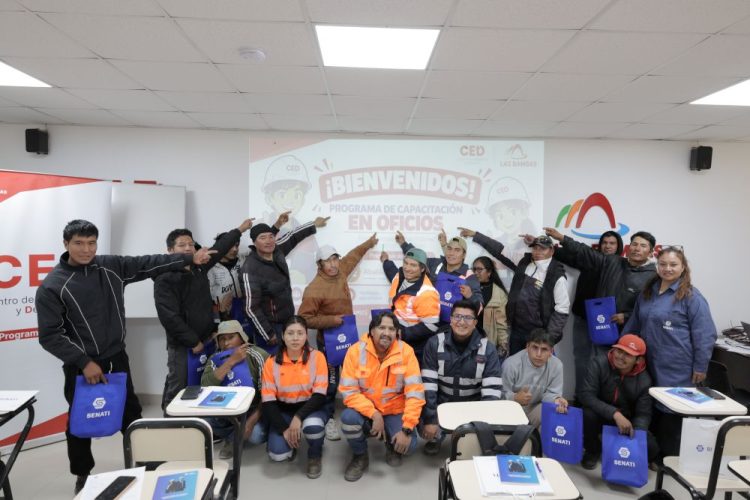
SENATI: The National Training Service for Industrial Work (SENATI) views this partnership as a crucial opportunity to extend its reach and impact in the rural areas of Peru. A representative from SENATI commented, "Collaborating with Minera Las Bambas allows us to bring high-quality technical training directly to communities that may otherwise have limited access. The specialized curriculum in masonry, ironworking, and formwork is designed to meet industry demands, and we are confident that the participants will emerge from this program with the skills and confidence to secure meaningful employment. Our role is to ensure that the training is delivered to the highest standards, equipping individuals for success in the trades."
Local Community Leaders: Community leaders have expressed strong support for the program, recognizing its potential to address unemployment and provide a pathway to economic independence for their residents. An elder from one of the participating communities shared, "For too long, young people in our communities have faced limited job prospects. This training program offers a ray of hope. It provides them with practical skills that are in demand, allowing them to build a future for themselves and their families right here in Cotabambas, or to find work elsewhere if they choose. We are grateful to Las Bambas and SENATI for this important initiative."
These varied perspectives underscore a shared vision for empowering the local workforce and fostering economic opportunities through education and skill development. The collaborative nature of this program, involving industry, educational institutions, and the community itself, is a key factor in its anticipated success.
Implications for Regional Development and Beyond
The technical training program spearheaded by Minera Las Bambas and SENATI carries significant implications, extending far beyond the immediate participants and the Cotabambas province.
Economic Empowerment and Reduced Dependency: By equipping residents with in-demand technical skills, the program directly addresses issues of underemployment and unemployment. This leads to increased household incomes, improved living standards, and a reduced reliance on external aid or transient employment. The ability to secure stable, skilled jobs fosters a sense of dignity and self-reliance within the community.
Infrastructure Development: A skilled local workforce is essential for any region aiming to develop its infrastructure. The participants trained in masonry, ironworking, and formwork will be instrumental in building and maintaining local roads, bridges, housing, and other essential facilities. This not only improves the quality of life for residents but also creates a more attractive environment for further investment.
Diversification of the Local Economy: While mining is a significant economic driver in the region, over-reliance on a single industry can create vulnerabilities. By fostering skills in the construction sector, Las Bambas is contributing to the diversification of the local economy. This creates alternative employment avenues and strengthens the overall economic resilience of Cotabambas.
Attraction of Future Investment: Regions with a readily available pool of skilled labor are more attractive to a wider range of industries. As the program graduates gain experience and contribute to successful projects, it signals to potential investors that Cotabambas possesses a capable workforce, potentially encouraging further economic development beyond the mining sector.
Model for Corporate Social Responsibility: This initiative serves as a compelling example of effective corporate social responsibility. By investing in human capital and partnering with reputable institutions, Las Bambas is demonstrating a commitment to creating shared value – benefiting both its operational objectives and the long-term well-being of the communities it interacts with. This model can inspire other corporations to adopt similar approaches to community development.
Empowerment of Women and Underrepresented Groups: While not explicitly detailed, such programs often have the potential to empower women and other underrepresented groups by providing them with access to vocational training and employment opportunities that were previously less accessible. The emphasis on practical skills can break down traditional barriers and promote greater inclusivity in the workforce.
In conclusion, the technical training program initiated by Minera Las Bambas through its CED, in collaboration with SENATI, represents a significant stride towards sustainable development in Cotabambas. By focusing on practical, in-demand skills, fostering a hands-on learning environment, and culminating in a comprehensive project, the program is poised to equip local residents with the tools they need to build brighter futures. The implications of this initiative are far-reaching, promising economic empowerment, enhanced local infrastructure, and a more resilient and diversified regional economy. This endeavor stands as a testament to the power of strategic partnerships in transforming lives and communities.