The heartbeat of Peru’s textile industry, the Gamarra commercial emporium, is currently facing its most precarious moment in recent history. What began as a concern over shifting climate patterns has escalated into a full-blown economic emergency. New estimates from industry leaders suggest that the losses incurred by the 50,000 micro and small enterprises (MYPES) operating within the emporium have reached a staggering S/ 1 billion—nearly double the initial projection of S/ 600 million.
As the persistent heat of the El Niño phenomenon keeps winter apparel gathering dust in warehouses, the entrepreneurs of Gamarra are sounding the alarm. With capital trapped in unsold inventory and the uncertainty of future production cycles looming, the sector is calling for urgent government intervention to prevent a wave of bankruptcies that could devastate the livelihoods of hundreds of thousands of Peruvians.
The Economic Impact: A Supply Chain Under Siege
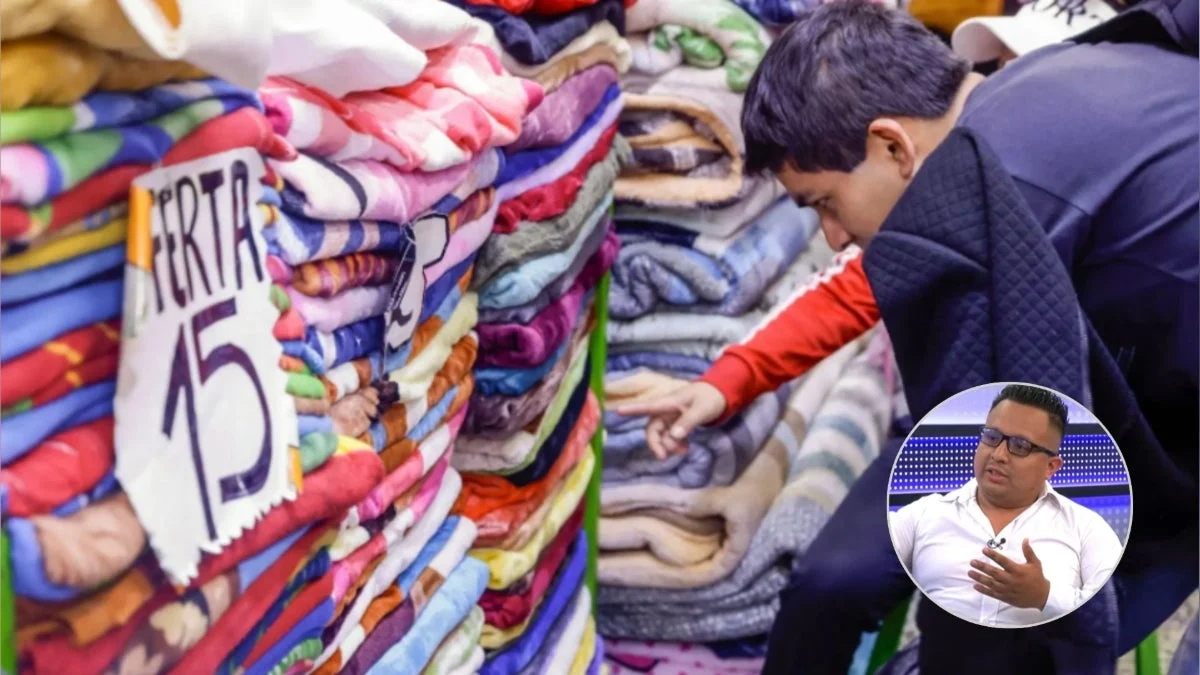
The crisis in Gamarra is not merely a matter of bad luck; it is a systemic breakdown caused by a mismatch between production cycles and climate reality. Andrés Condoré Ayala, Vice President of the Association of Gamarra Entrepreneurs, has been vocal about the dire reality on the ground. "We have merchandise that is stalled, sitting in our warehouses," Condoré stated during an interview with Economía para Todos. "To maintain cash flow, we are liquidating items at prices that barely cover the cost of bread, just to keep our heads above water."
For the 50,000 MYPES that form the backbone of this emporium, the business model is largely hand-to-mouth. These small workshops rely on constant sales to fund their next production run. When the winter season—traditionally the second most important period for the textile industry—is neutralized by unseasonable heat, the entire supply chain fractures. Suppliers of fabrics and raw materials are also feeling the shockwave as confeccionistas (manufacturers) halt orders, leading to a surplus of stagnant inventory across the entire value chain.
Chronology of a Slow-Motion Crisis
The current instability in Gamarra can be traced back to a series of compounding factors that began earlier this year:
- Early 2024: Initial warnings regarding the intensity of the El Niño phenomenon began to circulate. While traders braced for some impact, the scale of the temperature anomalies exceeded forecasts.
- Late Q1 2024: As the autumn-winter season approached, manufacturers began preparing their collections. However, temperatures remained high, and the anticipated demand for warm clothing failed to materialize.
- Mid-2024: The "S/ 600 million loss" projection was released. At this point, the industry hoped that a shift in weather would allow them to recoup some of their investments.
- August 2024: The reality set in. With the winter season essentially lost, the loss estimate was revised upward to S/ 1 billion. The focus shifted from profit-making to mere survival.
- Present Day: Gamarra is now in a state of paralysis, fearing that the uncertainty of the climate will jeopardize the upcoming year-end holiday campaigns, which are the most critical for their annual revenue.
Supporting Data and the Cost of Inaction
To understand the magnitude of the disaster, one must look at the structural nature of Gamarra. It is not just a retail hub; it is a manufacturing powerhouse where production decisions are made two to three months in advance.
The primary issue is "dead capital." A significant portion of the S/ 1 billion loss is tied up in unsold woolens, heavy jackets, and winter textiles that are currently occupying valuable square footage in stores and workshops. Because these businesses function with tight liquidity, the inability to move this stock prevents them from purchasing new materials for the summer or holiday lines.
Furthermore, the impact is rippling through the labor market. Gamarra serves as a vital engine for informal and formal employment. When manufacturers cannot sell, they cannot hire. The OECD has already warned that extreme weather conditions are disproportionately reducing income and work hours for informal workers, a category into which a large portion of the Gamarra workforce falls. If these businesses cannot access credit, the risk of mass layoffs becomes a distinct possibility.
The Proposed Solutions: A Call for State Intervention
In response to the mounting crisis, the Association of Gamarra Entrepreneurs has presented a multi-pronged proposal to the Peruvian government. Their demands are centered on survival and liquidity:
1. The S/ 10 Billion Financial Lifeline
The core of the proposal is the creation of a dedicated S/ 10 billion fund for MYPES. Unlike previous initiatives like Reactiva Perú, which the entrepreneurs argue were inaccessible to the smallest businesses due to stringent banking requirements, this new fund is intended to provide "cheap credit"—loans with lower interest rates and more flexible repayment terms specifically tailored for the textile sector.
2. Reactivating "Compras a MyPerú"
The industry is demanding the immediate execution of the S/ 1 billion pledge under the Compras a MyPerú program. This government procurement scheme would allow the state to purchase uniforms and textile goods directly from Gamarra, injecting much-needed demand into the market while simultaneously equipping public institutions.
3. Regional Itinerant Outlets
Recognizing that some regions in the Peruvian highlands (such as Puno, Cusco, Huancayo, and Huancavelica) are experiencing lower temperatures, the entrepreneurs have proposed "itinerant fairs." The goal is to relocate surplus winter inventory to regions where it is actually needed.
Historically, this has been successful. Condoré cited a past collaboration with the Ministry of Production in Tarapoto, where the private sector covered logistical costs (travel, freight, and accommodation) while the state provided the physical space and warehousing. Replicating this model on a national scale is seen as a key strategy to "liquidate" the mountain of unsold stock.
Official Responses and Political Disconnect
Despite the severity of the situation, the relationship between Gamarra and the central government remains strained. Business leaders have expressed profound frustration at the perceived lack of engagement from high-level officials.
"One thing is being in an office, and another is being on the ground," stated Condoré, emphasizing the disconnect between the policy-making sphere and the reality of the small workshops. The leadership of Gamarra reports that they have yet to secure a formal, productive meeting with the presidency or the Ministry of Production to discuss a comprehensive recovery plan.
The lack of a centralized response has left individual business owners in a state of perpetual anxiety. Without a clear signal from the government regarding financial support or the logistics of the requested itinerant fairs, many producers are choosing to remain idle, unwilling to invest in new production until the economic and meteorological environment stabilizes.
Future Implications: The Risk of Total Stagnation
The crisis in Gamarra poses significant risks for the Peruvian economy at large. If the textile sector—a key indicator of consumer health and small-business vitality—continues to shrink, the impact on tax revenue, employment figures, and social stability will be substantial.
The most immediate danger is the upcoming year-end campaign. If entrepreneurs continue to be paralyzed by the fear of unsold inventory, they will likely reduce production levels significantly. This would lead to a scarcity of goods for the holiday season, potentially causing price hikes for consumers and a missed opportunity for the entire retail sector to recover from the year’s losses.
Furthermore, the "wait-and-see" approach being forced upon these small businesses could lead to a permanent loss of market competitiveness. As international competition continues to import cheaper, mass-produced garments, the inability of local Peruvian manufacturers to innovate or adapt to climate volatility could lead to a long-term decline in the "Made in Gamarra" brand.
Conclusion
The situation in Gamarra is a litmus test for the government’s ability to support the engine of its economy during times of crisis. The S/ 1 billion loss is not just a statistic; it represents the survival of thousands of families who are currently struggling to make ends meet in an environment of extreme heat and extreme economic uncertainty.
For Gamarra to move forward, the government must move beyond rhetoric and provide the targeted credit, procurement support, and logistical infrastructure requested. Whether the administration will heed the call to "come down from the office" and engage with the reality of the emporium remains to be seen. In the meantime, the merchants of Gamarra continue to sell their goods one piece at a time, hoping that tomorrow brings a change in the weather—and a shift in the government’s commitment to their future.