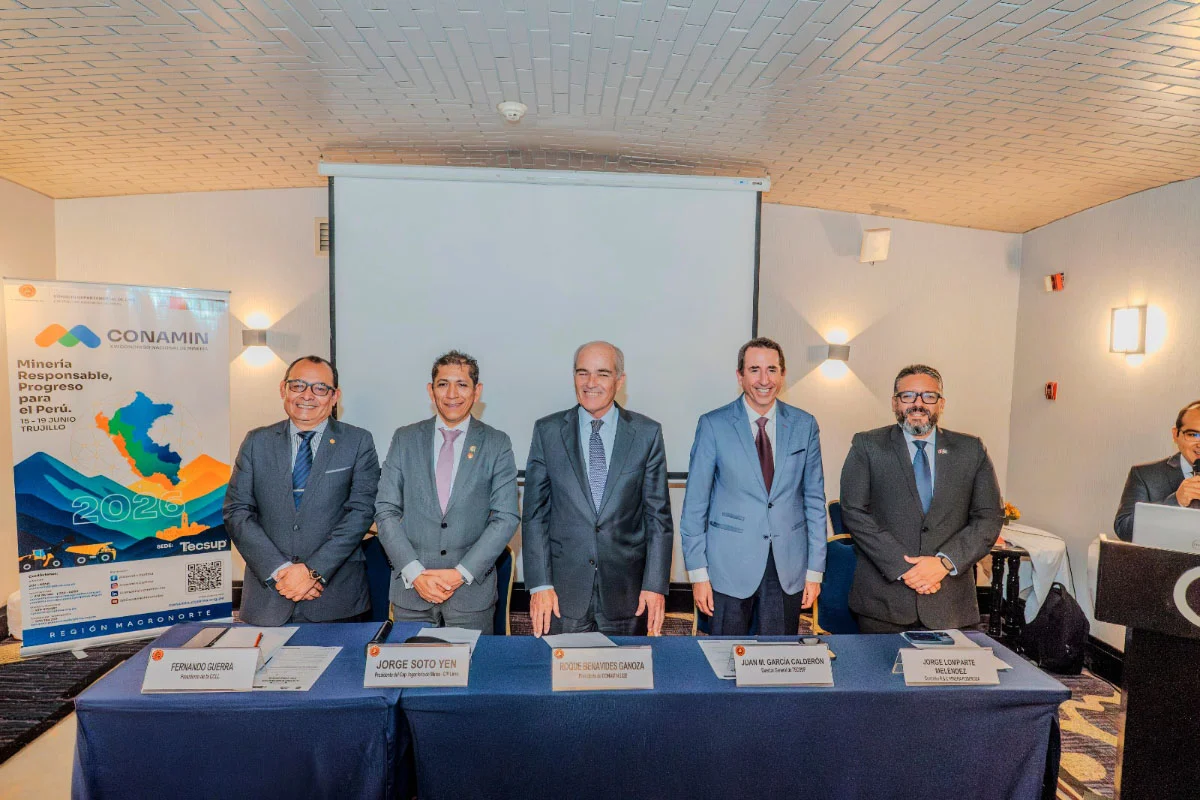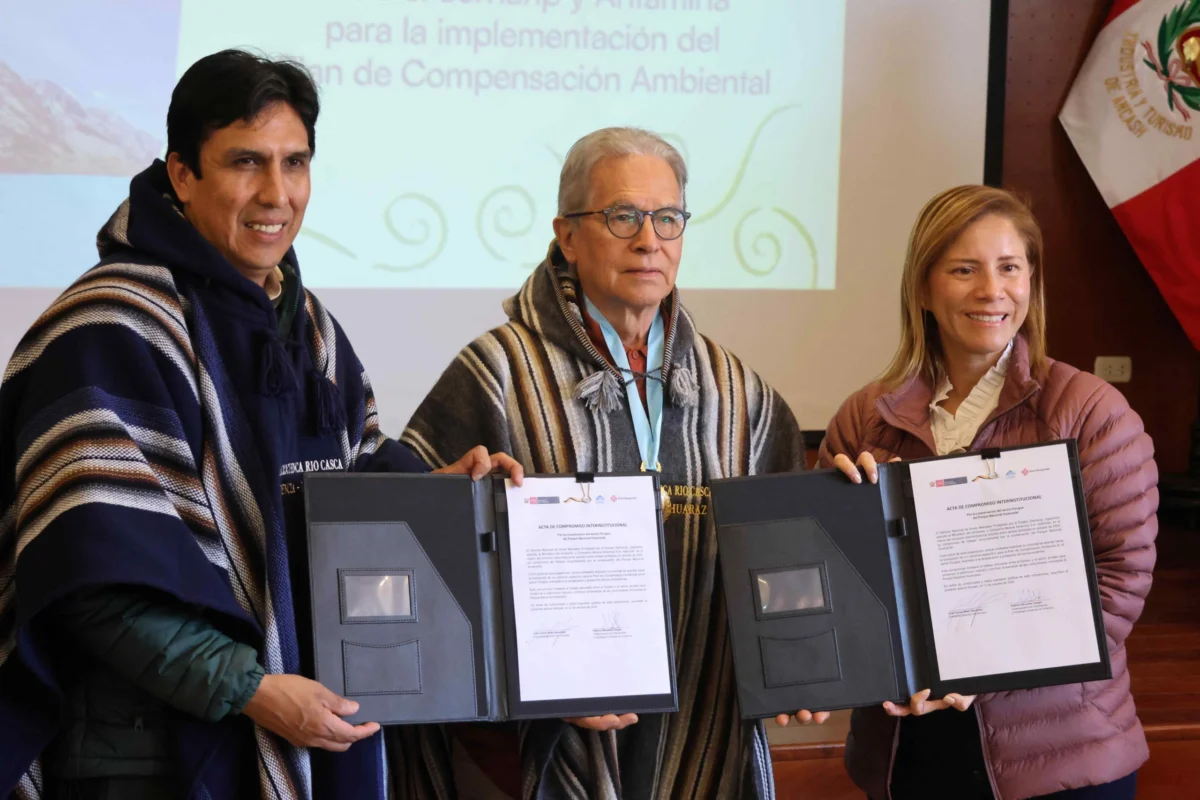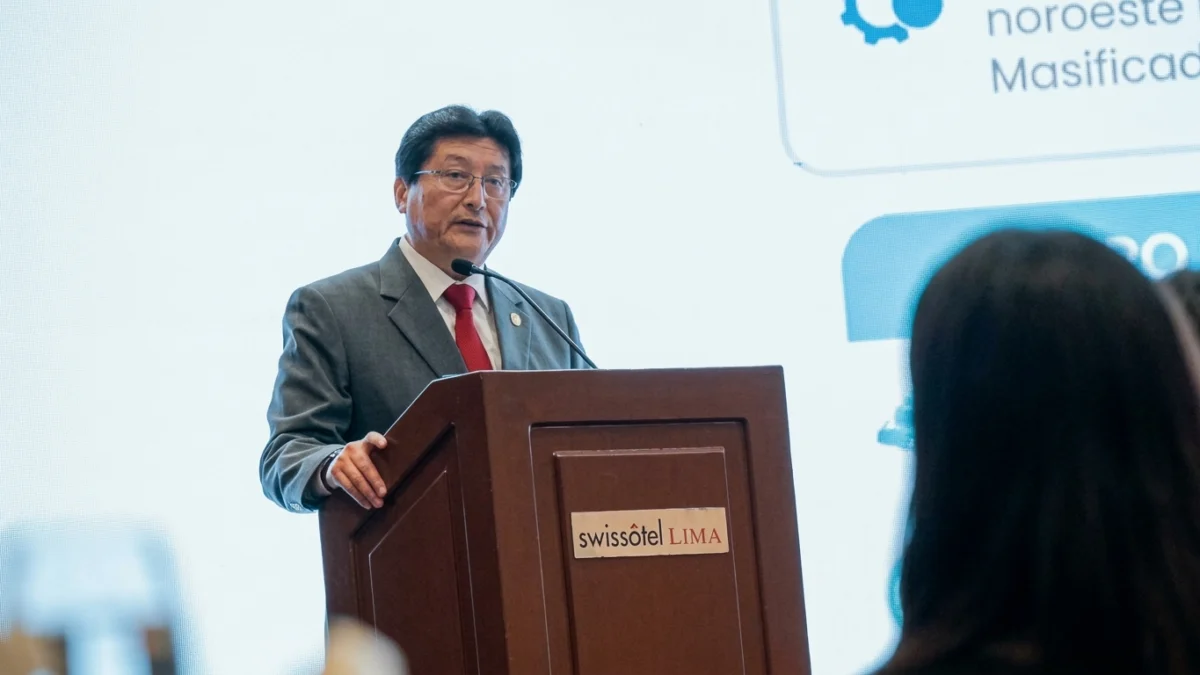
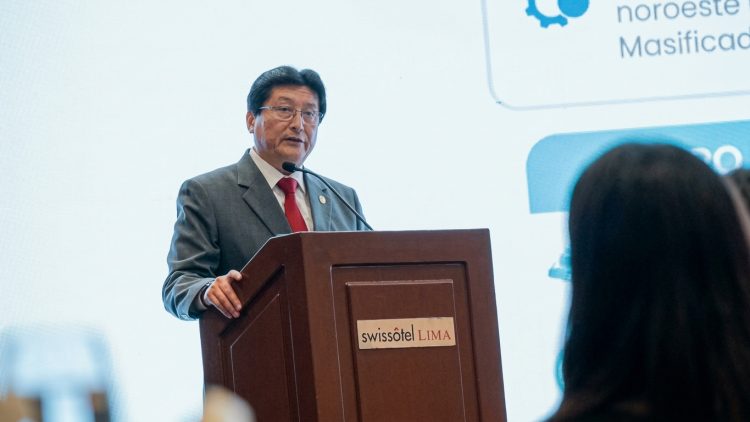
Lima, Peru – In a pivotal address delivered at the "Agenda Perú 2027" Gala Dinner, jointly organized by the Canadian-Peruvian Chamber of Commerce and the Swiss Chamber of Commerce in Peru, the Minister of Energy and Mines, Guillermo Shinno, unveiled a comprehensive roadmap designed to revitalize the nation’s energy and mining sector. The ambitious plan prioritizes the reactivation of investments, the streamlining of bureaucratic processes, and the fortification of national energy security, aiming to re-establish Peru’s competitive edge on the global stage.
This in-depth report by ProActivo synthesizes the six most crucial declarations made by Engineer Guillermo Shinno Huamán, the head of the Ministry of Energy and Mines (Minem), before a distinguished audience of diplomats, executive authorities, and international business leaders. The overarching objective is clear: to foster sustained growth and ensure the long-term prosperity of a sector critical to Peru’s economic fabric.
Main Facts: A Multifaceted Strategy for Sectoral Transformation
Minister Shinno’s presentation outlined a strategic vision built upon several key pillars, each designed to address current challenges and unlock future opportunities within the energy and mining landscape. The core tenets of this agenda revolve around attracting substantial investment, enhancing operational efficiency through regulatory reform, bolstering the nation’s energy independence, and ensuring equitable access to vital energy resources across the country.
The Minister emphasized the sector’s resilience and potential, citing recent positive trends in capital investment and production targets. He highlighted the government’s commitment to creating an environment conducive to both domestic and foreign investment, recognizing that sustained economic growth hinges on the vitality and innovation within the energy and mining industries.
Chronology: A Timeline of Strategic Initiatives and Progress
The roadmap presented by Minister Shinno is not merely a declaration of intent but a structured plan with discernible milestones and actionable steps. The initiatives outlined are designed to unfold over the coming years, with immediate actions already being implemented to address pressing issues.
Early 2023 – Mid-2023: A Surge in Mining Capital Expenditure
A significant positive inflection point was observed in mining capital expenditure during the second half of the year. After registering monthly investment amounts between US$300 million and US$400 million at the beginning of the year, the investment pace nearly doubled from July onwards, reaching approximately US$700 million per month. By the close of August, accumulated investment reached US$4.8 billion, with projections indicating a strong likelihood of surpassing US$7 billion by the end of the year. This surge signifies a renewed confidence in Peru’s mining sector and its potential for future growth.
Ongoing and Future Initiatives (2023-2031):
- December 31, 2023: The Ministry of Energy and Mines (Minem) confirmed the definitive closure of the Registry of Integral Mining Formalization (REINFO). This critical deadline paves the way for the introduction of the proposed MAPE Law (Small-Scale and Artisanal Mining Law), which aims to establish a simplified regulatory regime.
- 2024 and Beyond: Implementation of the MAPE Law, focusing on formalizing small-scale and artisanal miners through a more efficient and transparent system. The focus will be on establishing mineral traceability and fiscalizing the primary processing plants.
- Immediate Actions: The Minem will expedite the processing of the first 10 drilling platforms for mineral exploration through a sworn declaration with automatic approval. This is part of a broader deregulation package affecting 96 sectorial permits.
- By 2031: The national energy matrix aims to increase the participation of non-conventional renewable energies (solar and wind) to 20%. Currently, the matrix is composed of 50% hydroelectric power and only 10% from these non-conventional sources.
- Ongoing: Expansion of residential natural gas service to seven regions of the country through an addendum with Cálidda, under the same tariff structure as Lima, funded by a marginal adjustment in the capital’s tariffs.
- Ongoing: Efforts to restore competitiveness in royalties and licenses for oil exploration in five strategic zones: the continental shelf, the northern jungle, and the southern regions (Madre de Dios, Candamo, and Puno).
Supporting Data: Quantifying Progress and Potential
The Minister’s presentation was bolstered by concrete data and projections, underscoring the tangible progress and the immense potential that lies within Peru’s energy and mining sectors. These figures provide a clear picture of the current state of affairs and the ambitious targets set for the future.
Mining Sector: A Global Leader and Investment Hotspot
- Copper Production: Peru is projected to reach at least 2.6 million metric tons of fine copper, solidifying its position as the world’s second-largest producer.
- Project Pipeline: The country boasts a robust pipeline of 66 mining projects valued at US$64 billion. Furthermore, there are 57 exploration projects with an estimated value of US$672 million spread across 16 regions, indicating a strong commitment to future resource development.
Formalization of Mining: A Necessary Overhaul
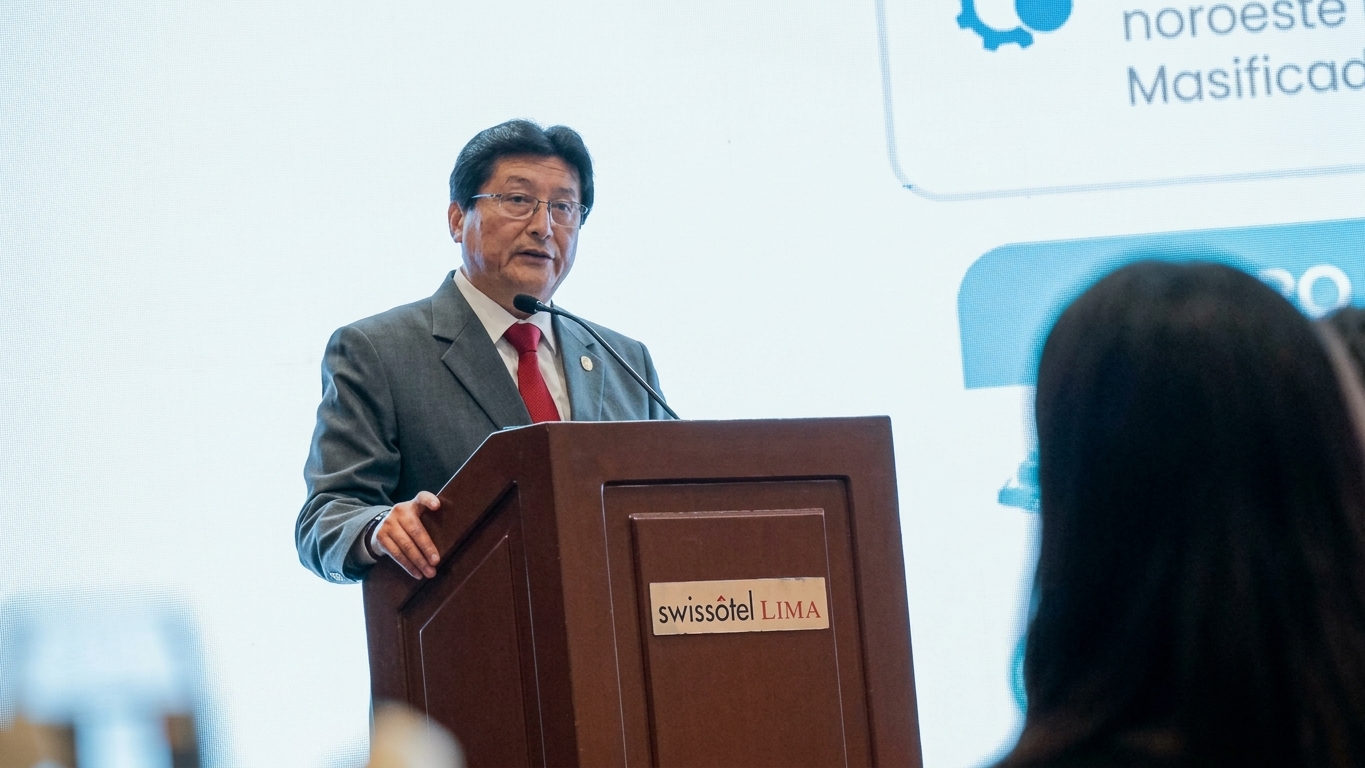
The current formalization process, in place for nearly two decades, has proven to be largely ineffective, managing to formalize only 2,300 miners out of an initial universe of 80,000. Minister Shinno stated, "The current formalization process has been in place for almost 20 years and has been ineffective, managing to formalize only 2,300 miners out of an initial universe of 80,000. What we seek is to establish the traceability of the mineral, focusing primarily on the 50 main processing plants where all the product arrives to monitor the most significant volume of informal mining."
The new legal framework will establish a decentralized technical body attached to Minem to provide technical assistance. Crucially, this framework will explicitly exclude land invasions of large mining projects and operations conducted outside the legal bounds.
Streamlining Exploration and Permitting
To invigorate the exploration phase, Minem will implement a simplified process for the first 10 drilling platforms, requiring only a sworn declaration for automatic approval. Following a review of the sector’s One-Stop Service Window (TUPA), which encompasses 96 different permits, a package of direct deregulation measures has been approved. This includes the elimination of 27 permits from the TUPA and the simplification of another 14 into technical sheets.
Electricity Sector: Diversification and Expansion
- Energy Matrix Balancing: Peru’s electricity generation matrix is currently dominated by hydroelectric power (50%), with non-conventional renewables (solar and wind) accounting for only 10%. The ambitious goal for 2031 is to elevate the participation of solar and wind energy to 20%.
- Project Portfolio: To achieve this goal, the sector is managing a portfolio of 33 concessioned projects, comprising 16 hydroelectric, 11 solar, 5 wind, and 1 gas-fired thermal power plant.
- Transmission Infrastructure: Recognizing transmission bottlenecks in the northern regions, the executive branch is evaluating emergency decrees to accelerate the construction of key electricity lines, ensuring that no additional costs are passed on to end-users.
Natural Gas and Rural Electrification: Bridging the Gaps
- Residential Gas Expansion: Through an addendum with Cálidda, the government will extend residential natural gas service to seven regions of the country, including Cusco, Puno, and Huancavelica. This expansion will be offered at the same tariff as in Lima, financed by a modest 2% to 3% adjustment in the capital’s gas tariff.
- Current Reach: Peru currently serves 2.6 million natural gas users, with over 25,000 kilometers of pipelines and more than 500,000 vehicles converted to Compressed Natural Gas (CNG).
- Iquitos Initiative: In Iquitos, regulations are being developed for an independent operator to install solar plants with battery energy storage systems (BESS) in the short term. The long-term objective remains the interconnection of Iquitos to the National Interconnected Electric System (SEIN).
Hydrocarbons: Revitalizing Production and Reserves
- Production Challenges: Peru’s oil production is lagging at a modest 37,000 barrels per day, significantly behind neighboring countries like Ecuador and Colombia.
- Strategic Focus: The priority agenda aims to restore competitiveness in royalties and licenses within five strategic zones: the continental shelf, the northern jungle, and the southern regions (Madre de Dios, Candamo, and Puno).
- Camisea Reserves and Candamo Project: Minister Shinno underscored the importance of the Candamo project, stating, "Considering that Camisea’s reserves, at the current consumption rate, are sufficient for approximately 13 years, it is essential to put the Candamo project into value. Overcoming the ideological impediments of the past, the population must be made aware of the importance of valuing these reserves to avoid exponential increases in electricity tariffs." This highlights the critical need to develop domestic natural gas resources to ensure energy affordability and security.
Official Responses: Addressing Stakeholder Concerns and Future Vision
Minister Shinno’s address provided direct answers to key questions posed by stakeholders, offering clarity on the government’s strategic direction and its commitment to addressing industry challenges.
The Four Pillars of Minem’s Agenda (by 2031):
When asked about the foundational elements of Minem’s strategy through 2031, Minister Shinno outlined four core objectives:
- Reactivating Investment: Stimulating capital expenditure in both the mining and hydrocarbon sectors.
- Strengthening Energy Security: Ensuring a reliable and sustainable supply of energy for the nation.
- Closing Territorial Gaps: Expanding access to electricity and natural gas, particularly in rural areas.
- Modernizing the Regulatory Framework: Streamlining processes and reducing bureaucratic hurdles.
Changes to Mining Exploration Permits:
Regarding the modifications to mining exploration permits in Peru, Minister Shinno provided specific details:
- The first 10 drilling platforms will benefit from automatic approval through a sworn declaration.
- An additional 27 permits will be eliminated from the TUPA.
- Another 14 permits will be simplified into technical sheets, reducing the administrative burden on exploration companies.
REINFO’s Demise and the MAPE Law:
On the future of mining formalization, Minister Shinno confirmed:
- The REINFO registry will definitively close on December 31st.
- It will be replaced by the MAPE Law, a simplified regime designed for formalizable small-scale and artisanal mining. The focus of this new law will be on mineral traceability through processing plants.
Implications: A Catalyst for Economic Growth and National Development
The strategic initiatives outlined by Minister Guillermo Shinno carry profound implications for Peru’s economic trajectory and national development. By focusing on investment, efficiency, and sustainability, the government aims to unlock the full potential of its abundant natural resources.
Economic Growth and Job Creation: The reactivation of investment in mining and hydrocarbons is expected to generate significant economic growth and create a substantial number of direct and indirect jobs. This will have a ripple effect across various sectors, boosting consumption and contributing to a more robust national economy.
Energy Independence and Affordability: The push for greater diversification of the energy matrix, particularly through increased reliance on renewable sources, will enhance Peru’s energy independence and reduce its vulnerability to global price fluctuations. The expansion of natural gas access will also contribute to more affordable energy solutions for households and industries.
Regional Development and Social Inclusion: The commitment to bridging territorial gaps through rural electrification and expanded natural gas networks will foster greater regional development and promote social inclusion. This will lead to improved living standards and greater economic opportunities in underserved areas.
Environmental Stewardship and Sustainable Practices: While the focus is on economic growth, the emphasis on mineral traceability and the development of cleaner energy sources suggests a growing awareness of environmental considerations. The successful implementation of the MAPE Law, for instance, could lead to more responsible mining practices.
Investor Confidence and International Partnerships: The clear roadmap and commitment to regulatory reform are likely to boost investor confidence and attract further international partnerships. Peru’s stable policy environment and its commitment to facilitating business will solidify its position as an attractive destination for global investment in the energy and mining sectors.
In conclusion, Minister Shinno’s presentation signifies a bold and strategic vision for Peru’s energy and mines sector. The comprehensive plan, backed by clear data and actionable steps, positions the nation to overcome current challenges, capitalize on its natural wealth, and achieve sustained, competitive, and sustainable growth for years to come. The coming years will be crucial in observing the effective implementation of these ambitious objectives and their tangible impact on Peru’s economic and social landscape.