By International Editorial Desk
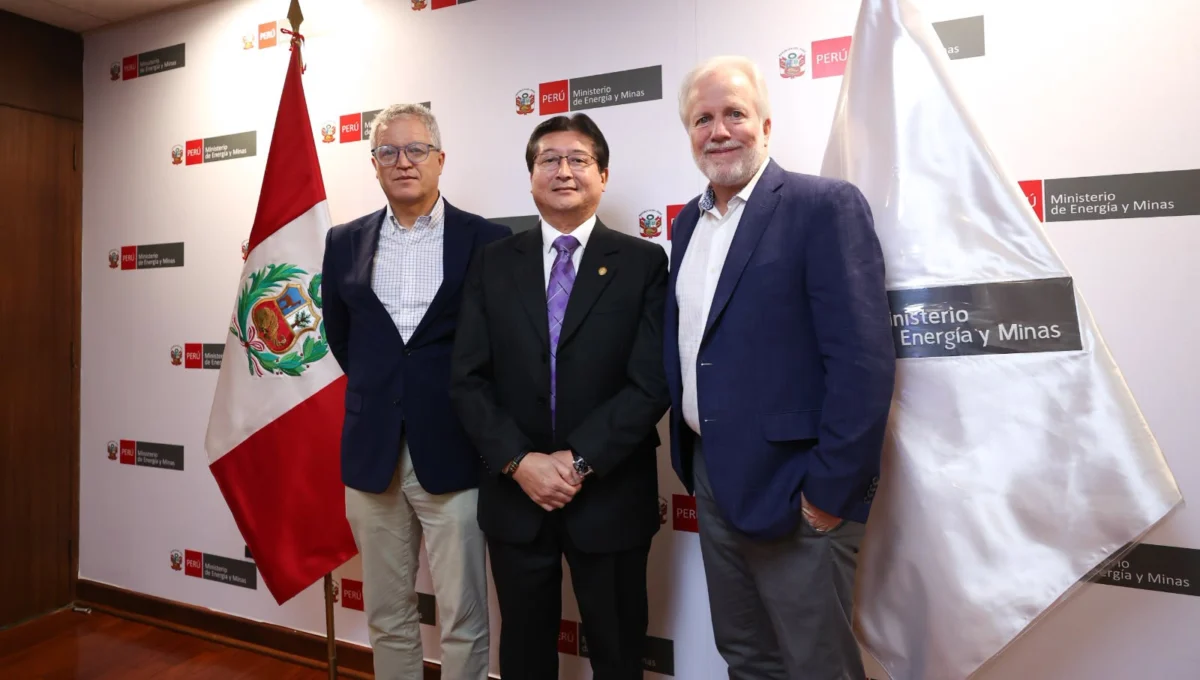
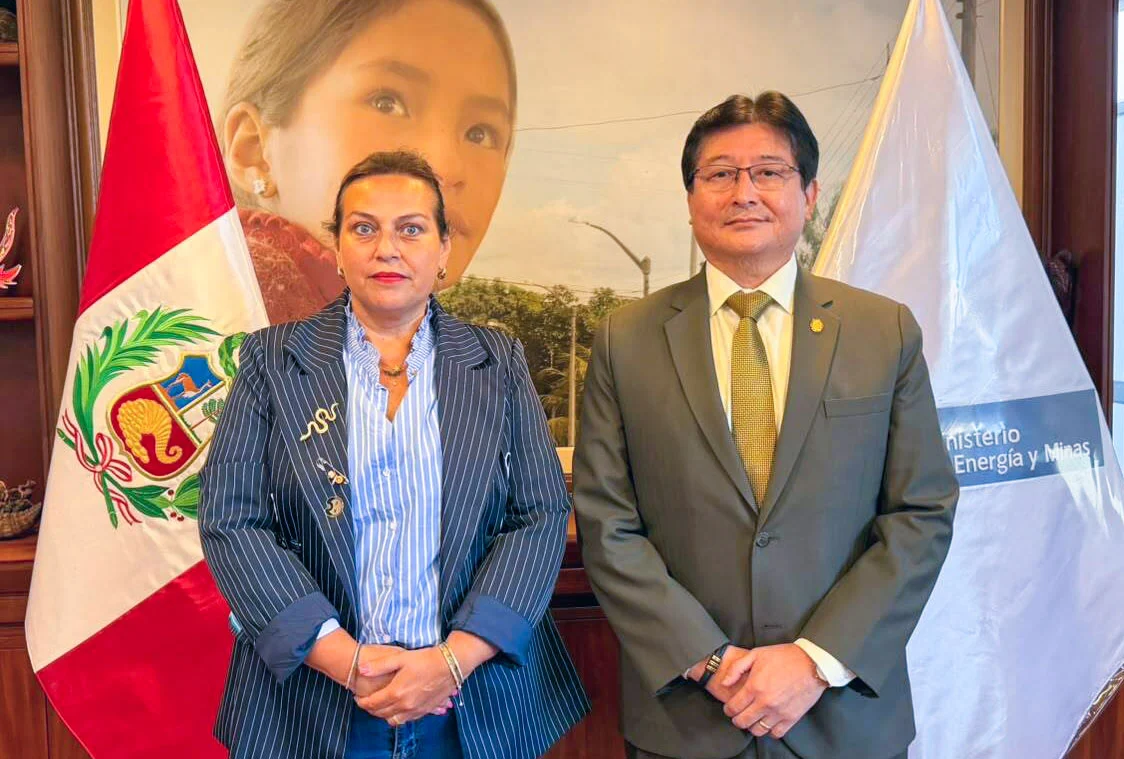
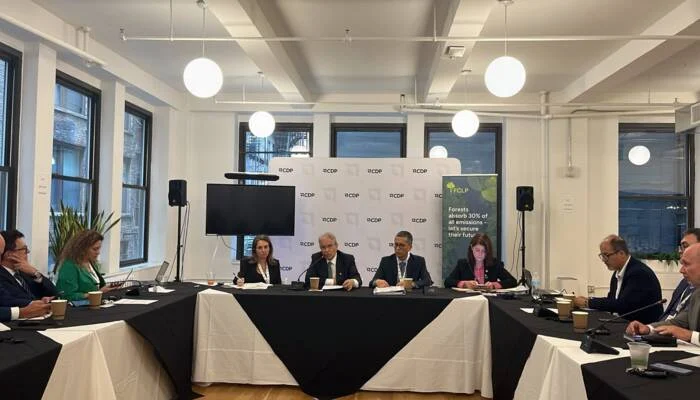
The 2026 New York Climate Week has concluded, and for Peru, the event served as a pivotal stage to redefine its role in the global fight against climate change. Led by Minister of the Environment Vladimiro Huaroc, the Peruvian delegation successfully navigated a series of high-level negotiations, securing significant international attention for the country’s burgeoning portfolio of climate-resilient projects. By bridging the gap between ecological conservation and private sector finance, Peru has signaled to the international community that it is open for business—provided that business contributes to the long-term sustainability of the Amazon and the Andean highlands.
Main Facts: A Strategic Pivot Toward Climate Finance
At the heart of Peru’s participation was a clear objective: to transition from passive participation in global climate forums to an active, market-driven player in the international carbon and biodiversity sectors.
The delegation presented a robust portfolio of projects valued at US$ 250 million, all aligned with the national Registro Nacional de Medidas de Mitigación (Renami). This registry acts as the backbone of Peru’s transparency framework, ensuring that every investment—whether it is in reforestation, sustainable agriculture, or renewable energy—is verified, monitored, and compliant with international standards.
Minister Huaroc emphasized that the shift in strategy is not merely about environmental altruism but about creating tangible economic value. "Peru is demonstrating that conserving our ecosystems can generate significant opportunities for investment and development," Huaroc noted during a plenary session. The overarching goal is to ensure that climate finance flows directly into local territories, providing concrete benefits to the communities that serve as the primary guardians of Peru’s vast natural resources.
Chronology of Engagement: A Week of High-Stakes Diplomacy
The presence of the Peruvian government in New York was marked by a rigorous schedule of bilateral meetings, technical workshops, and investor roundtables.
- Day 1-2: Foundation and Frameworks. The delegation opened by showcasing the maturity of the Renami system. By demonstrating that Peru has the digital and legal infrastructure to track emissions reductions, the country successfully de-risked potential investments for institutional investors.
- Day 3: The Carbon Market Breakthrough. Discussions focused on the operationalization of agreements with Switzerland, Singapore, and South Korea. A highlight was the progress of the "Tuki Wasi" project, a flagship initiative designed to provide cleaner cooking technology to 60,000 Andean households, thereby reducing both deforestation and respiratory health issues.
- Day 4: Corporate Engagement. The Ministry of the Environment (Minam) held closed-door sessions with tech and manufacturing giants, including Apple, Google, and Bayer. The focus was on identifying how these corporations can integrate high-integrity Peruvian carbon credits into their Scope 3 emission reduction strategies.
- Day 5: Biodiversity and Global Alliances. The week concluded with the formal presentation of the "Paquete País: Acción Climática por los Bosques y la Naturaleza," a strategic roadmap to scale up nature-based solutions. The announcement of an impending €8 million donation from the Seed Fund solidified the momentum gained throughout the week.
Supporting Data: The Economics of Conservation
Peru’s strategy is backed by data that makes a compelling case for international investment. The government has identified specific financial pathways that leverage the country’s unique geography and biodiversity.
The Carbon Market Landscape
The interest from global players like Google and Apple reflects a growing trend in the voluntary carbon market: the demand for "high-integrity" credits. Peru’s regulatory framework, specifically the advancements in the Renami system, positions the country as a premium source for these credits. By linking domestic policy with international agreements, Peru is effectively stabilizing the price and demand for its carbon assets.
The TFFF and Financial Projections
Perhaps the most ambitious proposal brought to New York was the potential integration into the Tropical Forest Forever Facility (TFFF). In discussions with Norwegian counterparts, Peru presented a model based on a payment of US$ 4 per hectare of standing Amazonian forest.
The math is compelling:
- Target: A deforestation rate kept below 0.5% annually.
- Projection: Access to approximately US$ 272 million in performance-based payments.
- Strategic Intent: This capital would be ring-fenced for conservation and sustainable management, ensuring that the forest remains more valuable standing than cleared.
Official Responses and Ministerial Vision
Minister Vladimiro Huaroc’s rhetoric throughout the week was consistent: conservation and economic growth are not mutually exclusive; they are mutually reinforcing.
"We are strengthening alliances so that Peru’s natural heritage becomes a driver of development," Huaroc stated. He emphasized that the era of "conservation for conservation’s sake" is evolving into an era of "conservation as economic infrastructure."
The Ministry of the Environment (Minam) has also successfully opened four distinct lines of cooperation with the European Union. These lines cover a broad spectrum of critical issues:
- Carbon Market Standardization: Ensuring that Peruvian credits meet stringent EU environmental criteria.
- Biodiversity Credits: Developing a new asset class based on the protection of endemic species.
- The Global Plastics Treaty: Aligning Peru’s industrial standards with global efforts to mitigate plastic waste.
- Amazonian Cooperation: Joint funding initiatives to protect the watershed and biodiversity of the Amazon basin.
Implications: A New Era for Peruvian Development
The outcomes of New York Climate Week 2026 have profound implications for Peru’s domestic and foreign policy.
For the Private Sector
The formalization of partnerships with global corporations signals a massive opportunity for Peruvian businesses. By aligning with the government’s climate projects, local firms can tap into a new stream of international capital that prioritizes environmental, social, and governance (ESG) criteria. This creates a feedback loop: international investment drives local project development, which in turn improves the country’s international credit rating and attractiveness.
For Local and Indigenous Communities
The "territorial approach" championed by Minister Huaroc is designed to avoid the pitfalls of previous top-down climate policies. By focusing on the "Tuki Wasi" model—where benefits are distributed to the household level—the government is attempting to ensure that climate finance has a human face. If successful, this model could become the gold standard for how tropical nations manage their climate wealth.
For Global Climate Governance
Peru’s active role in shaping the conversation around the Tropical Forest Forever Facility (TFFF) demonstrates that the country is no longer just a "victim" of climate change impacts, but a "leader" in providing solutions. By setting a benchmark for deforestation control and offering transparent, verifiable carbon credits, Peru is effectively setting the rules of the game for the rest of the Amazonian nations.
Conclusion: The Road Ahead
As the delegation returns to Lima, the real work begins. Converting the "potential" discussed in New York into "liquid capital" will require sustained institutional effort, rigorous auditing, and a stable political environment. However, the momentum generated at the 2026 Climate Week is undeniable.
With a portfolio of projects worth over a quarter-billion dollars and the prospect of significant performance-based funding from the TFFF and the European Union, Peru is positioning itself as a cornerstone of the global green transition. The message from the 2026 New York Climate Week is clear: Peru is prepared to leverage its natural capital to build a resilient, modern, and sustainable economy. The challenge moving forward will be execution—ensuring that the flow of capital from international markets reaches the forest floor, the mountain communities, and the coastal ecosystems that define the nation’s future.