Main Facts: The September 30 Exchange Rate Landscape
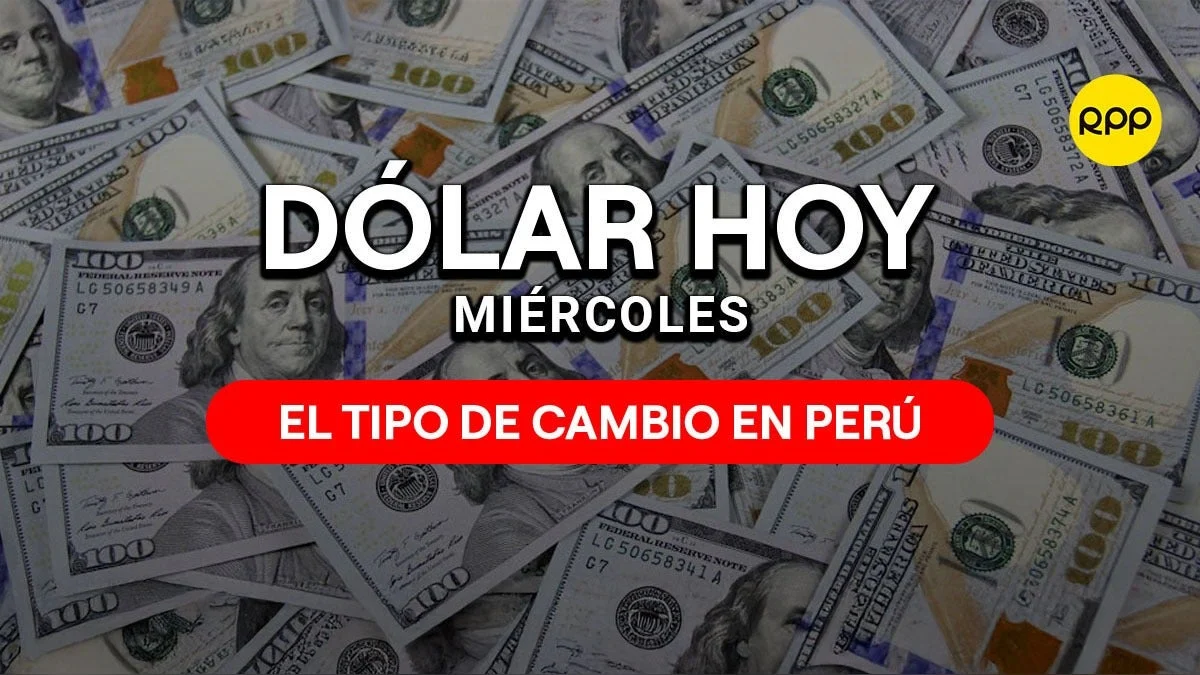
As of Wednesday, September 30, the exchange rate in Peru stands at S/3.44 per U.S. dollar, according to data provided by the Central Reserve Bank of Peru (BCRP). This figure serves as a critical benchmark for the national economy, influencing everything from the price of imported goods at local markets to the long-term debt obligations of Peruvian households and corporations.
In an economy characterized by a high degree of "dollarization"—a legacy of historical inflationary periods—the currency pair of Sol/Dollar is not merely a financial statistic; it is a barometer of national economic health. The stability of this rate is a primary objective for monetary authorities, yet it remains subject to global market pressures, geopolitical shifts, and internal fiscal policy.
Chronology of Currency Movements: A Historical Perspective
To understand the current rate of S/3.44, one must look at the trajectory of the Peruvian Sol over the past decade. Following the relative stability seen in the mid-2010s, the Peruvian economy has faced several "shocks" that have tested the BCRP’s intervention capabilities.
- 2015-2017: A period of moderate volatility driven by the end of the commodity super-cycle. The Sol faced downward pressure as global demand for copper waned, pushing the exchange rate toward the S/3.30 range.
- 2018-2019: Stability returned as the BCRP utilized its significant international reserves to buffer against speculative attacks, maintaining a corridor that provided predictability for importers and exporters.
- Early 2020: The onset of the global pandemic triggered a flight to safety. Investors worldwide rushed to hold U.S. dollars, leading to a sharp appreciation of the greenback. The BCRP intervened aggressively to prevent a disorderly devaluation, maintaining a floor that protected the purchasing power of the average citizen.
- September 2020: The current rate of S/3.44 reflects a market attempting to calibrate post-pandemic recovery expectations against the reality of global economic contraction.
Supporting Data: Why the Exchange Rate Matters
The significance of the S/3.44 rate lies in its transmission mechanism to the real economy. Peru operates under a "managed float" regime, meaning that while the market determines the price, the BCRP intervenes to prevent excessive volatility.
The Import/Export Imbalance
Peru is a significant importer of essential goods. Data indicates that approximately 60% of the Peruvian "basket of goods" used to calculate inflation is sensitive to the exchange rate. When the Sol weakens against the dollar, the cost of importing fuel, wheat, corn, and technology rises instantly.
For instance, the local price of gasoline is pegged to international oil prices denominated in dollars. When the exchange rate climbs, transportation costs for all goods—from fresh produce in the Andes to electronics in Lima—increase, leading to "imported inflation."
Debt and Liability Exposure
A substantial portion of private sector debt in Peru remains denominated in dollars. According to financial stability reports, while the BCRP has encouraged "sol-ization" of the economy, a significant number of mortgage and automotive loans remain tied to the dollar. For a family earning in Soles but paying a mortgage in Dollars, a shift from S/3.30 to S/3.44 represents a significant increase in their monthly debt-service burden, effectively reducing their disposable income.
Official Responses and Monetary Policy
The Central Reserve Bank of Peru (BCRP), under the guidance of its board and the technical leadership of its economists, employs several tools to manage the exchange rate:
- Direct Intervention: The BCRP frequently enters the spot market, selling dollars to prevent rapid devaluation or buying them to prevent excessive appreciation.
- Swap Operations: By utilizing currency swaps, the bank provides liquidity to the financial system, ensuring that commercial banks do not hoard dollars, which could artificially drive up the price.
- Communication Strategy: The BCRP’s "Inflation Report" and public statements from its governors serve to anchor market expectations. By signaling a commitment to price stability, the BCRP reduces speculative behavior.
The government’s fiscal policy also plays a role. During times of volatility, the Ministry of Economy and Finance (MEF) often coordinates with the BCRP to ensure that public spending does not inadvertently add to inflationary pressures or create an excess supply of Soles that could weaken the currency.
Implications: How the Dollar Affects the Peruvian "Bolsillo"
The "dollarization" of the Peruvian mindset is a unique economic phenomenon. For the average Peruvian, the exchange rate is not just an abstract number; it is a direct contributor to the cost of living.
Impact on the Household Budget
When the dollar rises, the "hidden" tax of inflation begins to bite. Households notice it first at the supermarket. Since many fertilizers used in local agriculture are imported, a stronger dollar leads to higher food prices. Furthermore, the electronics sector—heavily dependent on imports—sees an immediate price adjustment, making laptops, smartphones, and household appliances less affordable.
The Investor’s Perspective
For those with savings, the exchange rate presents a strategic dilemma. Historically, the dollar has been seen as a "refuge" currency. During times of political or economic uncertainty, many Peruvians convert their savings into dollars to preserve value. However, this behavior can create a self-fulfilling prophecy; if everyone buys dollars, the price goes up, further devaluing the Sol. Financial literacy campaigns have increasingly encouraged Peruvians to consider diversified portfolios, weighing the risks of currency fluctuation against the potential gains of holding local assets.
Corporate Strategy and Hedging
For businesses, the exchange rate is a key variable in profit and loss statements. Companies that rely on imported raw materials must employ "hedging" strategies—financial instruments that lock in exchange rates for future transactions. Smaller enterprises, however, often lack access to these sophisticated tools, making them disproportionately vulnerable to market shifts. The current rate of S/3.44 forces these businesses to either absorb the cost (reducing profit margins) or pass it on to consumers (increasing prices).
Navigating Future Volatility: A Guide for the Consumer
Understanding the mechanisms of the foreign exchange market is the first step toward financial resilience. As the global economy continues to navigate the uncertainties of the 21st century, the following strategies remain relevant:
- Debt Management: If possible, individuals should prioritize converting dollar-denominated debt into Soles to eliminate the risk of exchange rate fluctuations on their monthly payments.
- Budgeting for Inflation: Consumers should anticipate that periods of high exchange rate volatility will be followed by moderate price increases in the retail sector. Adjusting budgets in advance can mitigate the impact.
- Diversification: Financial experts consistently recommend that individuals maintain a mix of assets. Depending solely on one currency can be risky; having a balanced portfolio that accounts for both Sol-denominated investments and stable foreign assets can provide a safety net.
Conclusion: The Path Ahead
The exchange rate of S/3.44 is a snapshot in a dynamic, ongoing economic story. While the Central Reserve Bank of Peru remains vigilant, the ultimate stability of the currency depends on a mix of prudent fiscal management, global economic recovery, and the informed participation of the Peruvian public. By understanding the links between global markets and their own wallets, Peruvians can better prepare for the financial challenges of the future, ensuring that the volatility of the dollar does not derail their personal economic goals. As Peru continues its path toward development, the management of its currency will remain a cornerstone of its broader strategy for sustainable growth and stability.