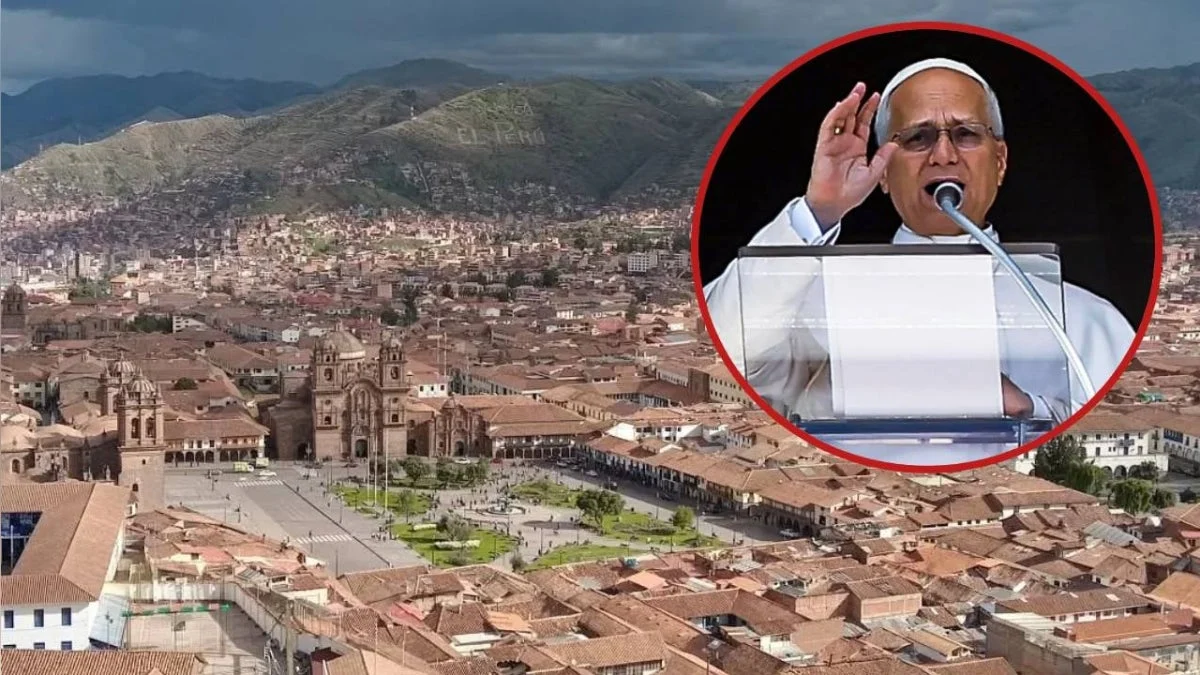
The historic city of Cusco, the former capital of the Inca Empire and a jewel of global tourism, is bracing for an unprecedented logistical and spiritual undertaking. In anticipation of the arrival of Pope León XIV this coming November, local authorities and business leaders are finalizing preparations for what is expected to be one of the largest mass gatherings in the region’s modern history.
José Santoyo, president of the Cusco Chamber of Commerce, confirmed in an interview with RPP that the region is readying itself for an influx of approximately 350,000 people. While the local population will contribute significantly to the crowds, an estimated 50,000 visitors are expected to travel from outside the region, creating a surge in demand for services, security, and infrastructure that rivals the city’s most celebrated traditional festivals.
The Scope of the Event: A Regional Phenomenon
The visit of Pope León XIV, scheduled for Sunday, November 15, is being treated as a high-impact event for the Southern Andean region. According to Santoyo, the influx of 50,000 tourists will not be limited to domestic travelers from neighboring departments such as Ayacucho, Apurímac, Puno, and Madre de Dios.
"We are seeing a significant surge in interest from our neighbors in Bolivia and Northern Chile," Santoyo stated during the Encendidos program. "These visitors are explicitly traveling with the intent of reaching Cusco to witness the Pope’s visit, which underscores the regional significance of this pastoral journey."
The scale of the movement is comparable to the city’s most iconic cultural and religious celebrations, namely the Inti Raymi (Festival of the Sun) and the Corpus Christi procession. These events typically push the city’s infrastructure to its limits, requiring sophisticated crowd control and supply chain management. The papal visit, however, brings an added layer of international diplomatic protocol and heightened security requirements.
Chronology of the Papal Agenda
The Vatican has officially released the itinerary for the Holy Father’s visit, marking a clear roadmap for the logistical efforts currently underway in Peru.
- Arrival and Reception: Pope León XIV is scheduled to touch down in the region on the morning of Sunday, November 15. The official reception will involve local government authorities and representatives of the Peruvian Episcopal Conference.
- The Saqsaywaman Gathering: The centerpiece of the visit will be a mass congregation at the Saqsaywaman Archaeological Park. This historic site, known for its massive stone walls and ceremonial significance, will be transformed into an altar for thousands of pilgrims.
- The Angelus at the Cathedral: Following the morning events, the Pope is scheduled to lead the Angelus prayer in the main plaza (Plaza de Armas) of Cusco, specifically on the steps of the Cathedral. This event is expected to draw the highest density of people in the city center.
- Departure: Following the afternoon prayers and meetings with local ecclesiastical leaders, the Pontiff is expected to conclude his visit to the region before moving on to the next leg of his Peruvian journey.
Security Measures and Urban Management
To ensure the safety of the 350,000 anticipated attendees, the Peruvian National Police have finalized a security plan that involves the deployment of approximately 2,000 officers. This force will be concentrated primarily in the historic center and the approaches to the Saqsaywaman Archaeological Park.
"It is a coherent and necessary deployment," said Santoyo. "These officers will be responsible for maintaining order and providing security to the influx of visitors. However, we must also be realistic about the challenges that come with such a massive gathering."
One of the most pressing concerns for local residents and businesses is the inevitable restriction of vehicular traffic. The municipal government is expected to implement a series of street closures and restricted zones to prioritize pedestrian movement. Authorities have urged the public to stay informed through official channels, noting that advance notice of these restrictions will be vital to keeping the city functional during the weekend of the visit.
Economic Implications: Can the Sector Keep Up?
A central question facing the Cusco Chamber of Commerce is whether the city’s hotel and hospitality sector can adequately accommodate the surge in demand. With 50,000 visitors arriving in a concentrated window, traditional lodging options will likely reach full capacity weeks in advance.
Santoyo remains cautiously optimistic but pragmatic. "Cusco possesses a robust capacity for lodging and catering, refined by decades of high-volume tourism. We are confident in our ability to accommodate a significant number of visitors. However, we will undoubtedly need to habilitate supplementary spaces for lodging and food services."
The Chamber of Commerce is currently coordinating with the Archbishopric of Cusco and other stakeholders to identify temporary accommodation solutions. This includes exploring the use of community centers, religious retreat houses, and authorized temporary camping areas. The goal is to ensure that the "pilgrim experience" remains safe and dignified, preventing the price gouging and overcrowding that often plague major tourist hubs during unexpected spikes in demand.
Addressing the Challenges of Infrastructure
Beyond lodging, the food and beverage industry faces a similar test. The logistical challenge involves not only the quantity of food required but the distribution networks needed to ensure that remote or highly congested areas—such as the areas surrounding the Cathedral and Saqsaywaman—remain adequately supplied.
"We are mobilizing our institutions to pre-plan the estancia of these 50,000-plus people," Santoyo noted. "It is not just about the moment the Pope is in front of them; it is about the days leading up to the event and the immediate aftermath."
This includes:
- Waste Management: Increased sanitation services to handle the refuse generated by large crowds in the historic center.
- Public Health: The installation of temporary medical tents and rapid-response units near the main event venues to handle potential emergencies.
- Communication: A robust public information campaign to ensure that local transit users and tourists are aware of alternative routes, given the likelihood of gridlock in the narrow streets of colonial Cusco.
A Moment of Unity and Reflection
While the logistical hurdles are significant, the prevailing sentiment among local officials is one of pride. The visit of the Pope is seen not only as a religious milestone but as an opportunity to showcase the resilience and hospitality of the Peruvian people on an international stage.
The Church, in coordination with the government, has emphasized that the visit is a time for "spiritual reflection." However, for the business community, it is also a critical stress test. The lessons learned during this visit will likely inform future management strategies for the Inti Raymi and other major events.
As November approaches, the city of Cusco is moving into a state of high alert. With the eyes of the world on the Andes, the coordination between the Chamber of Commerce, the national police, and the regional government will be the determining factor in the success of this historic visit.
For the visitor, the message is clear: plan ahead, prepare for significant crowds, and respect the regulations set forth by the authorities. For the city, the task is equally clear: to provide a seamless, secure, and welcoming environment for one of the most significant gatherings in the history of the Imperial City.
As preparations continue, the collaboration between the secular and the sacred remains the backbone of the effort, ensuring that the legacy of Pope León XIV’s visit to Cusco is defined by devotion rather than disruption.