By Editorial Staff
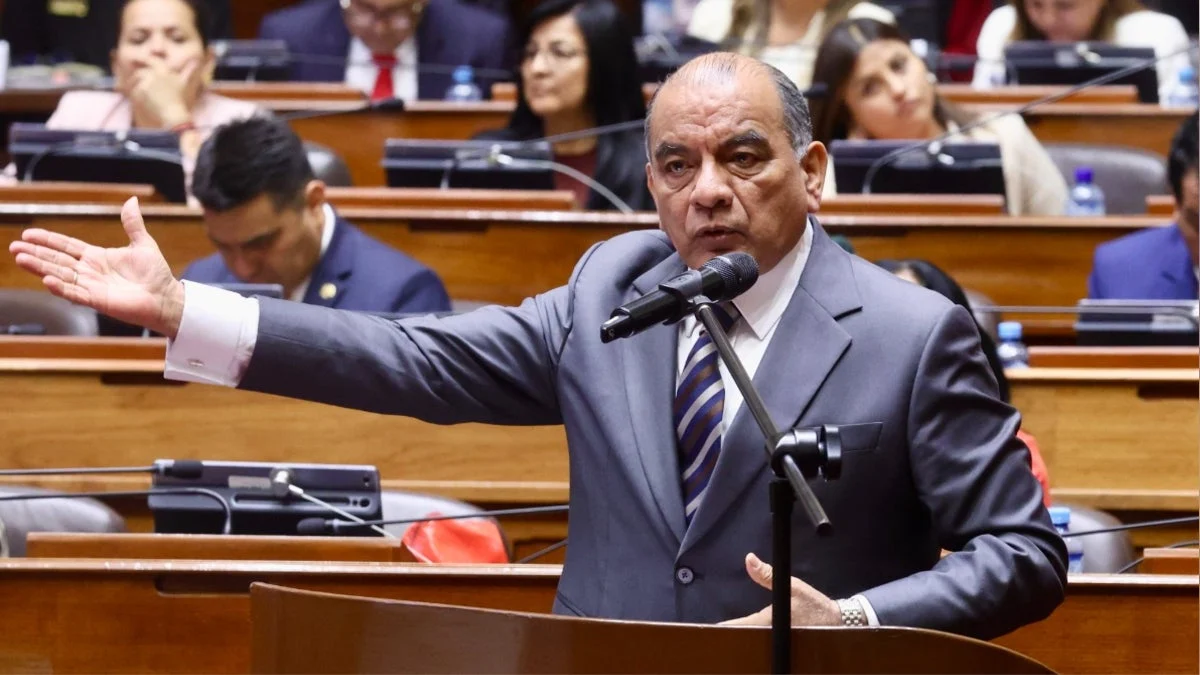
In a recent appearance on the political broadcast Ampliación de Noticias, Alberto Tejada Noriega, the mayoral candidate for Lima representing the Acción Popular party, delivered a stark critique of the current discourse surrounding urban security. As the municipal election cycle intensifies, Tejada has positioned himself as a proponent of structural institutional coordination, distancing his platform from what he terms "populist policing" by local authorities.
Tejada’s core argument is that the Municipality of Lima should serve as a strategic orchestrator of public safety rather than attempting to usurp the constitutional duties of the National Police of Peru (PNP). His proposal centers on the implementation of a high-tech "Multi-Agency Immediate Response Center," designed to bridge the gap between emergency services, traffic management, and law enforcement.
Main Facts: Redefining the Mayor’s Role in Public Safety
The central pillar of Alberto Tejada’s security strategy is the rejection of the "mayor as police" narrative. In an environment where crime—particularly extortion and organized criminal activity—has seen a marked evolution, Tejada argues that municipal resources are being squandered on performative gestures rather than integrated systems.
"I believe the mayor must lead public safety as a representative of all citizens, but the goal is to ensure that the proper authorities fulfill their mandates," Tejada stated during the interview. "I do not believe we should turn the mayor into a police officer when there is already an organization with the constitutional authority to combat crime, especially now that criminal activity has mutated into complex patterns like extortion."
Tejada proposes that the Municipality of Lima acts as the technological backbone for regional security. By creating a unified communication center, the city would be able to provide the PNP with "privileged information," facilitating faster, data-driven responses to criminal incidents. This approach moves away from the traditional, fragmented method of municipal patrols and toward a centralized model similar to those seen in major international metropolises.
Chronology of the Security Debate in Lima
To understand the weight of Tejada’s proposals, it is necessary to look at the timeline of the security crisis in Lima:
- Early 2024: The rise of transnational criminal organizations leads to a surge in extortion cases against small and medium-sized businesses across the capital.
- Mid-2024: Public frustration with the perceived ineffectiveness of the PNP prompts several mayoral candidates to propose the creation of independent municipal police forces or the implementation of complex surveillance centers known as C5i (Command, Control, Communication, Computing, Cyber-security, and Intelligence).
- September 2026 (Present): Alberto Tejada distinguishes his campaign by clarifying the technical complexity of these systems. He argues that the public is being misled by candidates who promise C5i systems without explaining the multi-purpose, inter-institutional infrastructure required to operate them.
- The Immediate Future: Candidates are currently in the final stretch of the campaign, with security remaining the number one issue for Lima’s voters, according to the latest polling data.
Supporting Data: The Complexity of the C5i Model
Tejada’s criticism of his opponents’ proposals centers on the term "C5i." He suggests that while many candidates include this term in their platforms as a "buzzword" for safety, few acknowledge that a true C5i is a massive, multi-sector integration project.
"When you hear about the C5i in this campaign, many people offer it as if it were a simple situation," Tejada remarked. "A C5i is a multi-agency, multi-purpose, interconnected center that doesn’t just focus on citizen security. It integrates meteorology, traffic management, the SAMU (emergency health services), and the fire department. It is an infrastructure project that must be led by a regional government because it requires the coordination of resources that transcend district boundaries."
Tejada’s vision involves a "Serenazgo without borders," where municipal surveillance cameras, traffic lights, and emergency dispatch are synchronized. This integration is designed to ensure that when an incident occurs, the response is not delayed by bureaucratic silos between district municipalities and the national government.
Official Responses and Political Implications
The debate has sparked significant discourse within the municipal race. Critics of Tejada’s approach argue that the current emergency requires more aggressive, immediate action by local mayors, citing the success of some district-level initiatives in crime reduction. However, legal experts have often pointed to the constitutional limitations of municipal powers, lending weight to Tejada’s insistence that the municipality’s role is one of "coordination and infrastructure," not law enforcement.
Tejada has further emphasized that the Municipality of Lima, which houses approximately one-third of Peru’s total population, has a unique responsibility to provide the technical infrastructure that smaller municipalities cannot afford. By focusing on the "backbone" of security—data, connectivity, and inter-agency intelligence—he aims to solve the problem of systemic inefficiency that has plagued Lima for decades.
A Holistic Approach: Justice and Urban Renewal
Beyond high-tech surveillance and police coordination, Tejada’s platform incorporates a socioeconomic dimension aimed at the roots of crime. He argues that municipal governments should take an active role in fighting the "economy of crime," particularly the trade of stolen goods (receptación).
Houses of Justice
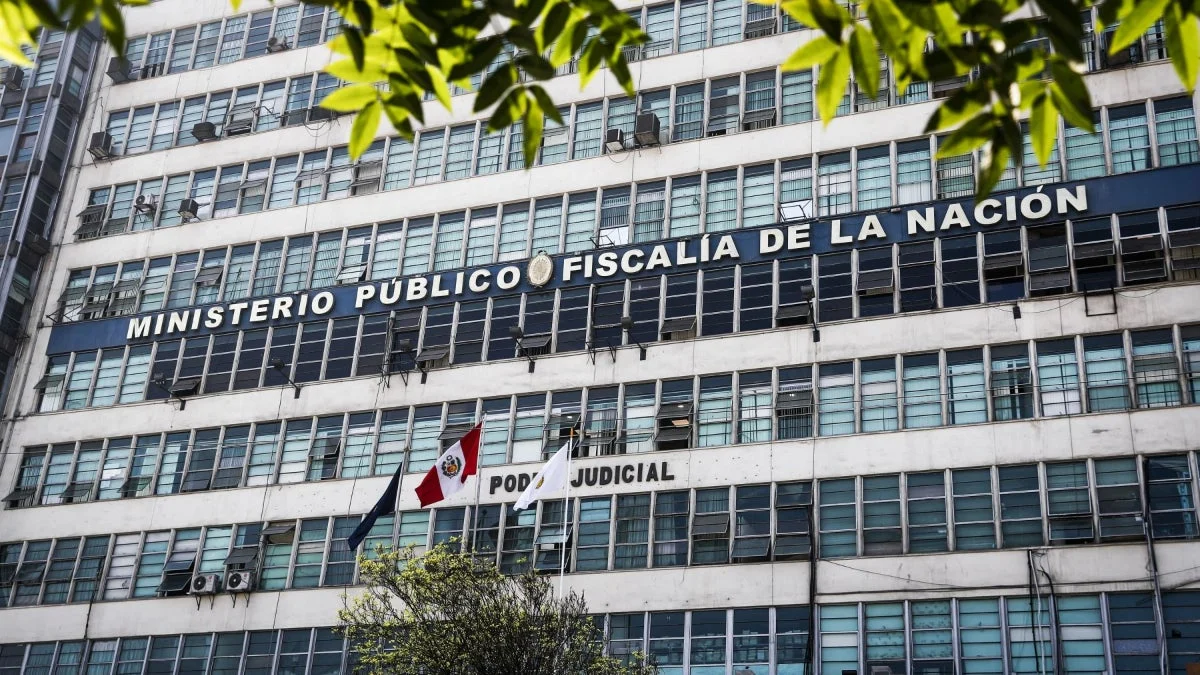
Tejada proposes the creation of "Houses of Justice" at the district level. These centers would bring the Public Ministry and the Judiciary closer to the people. By having prosecutors and judges physically present in high-crime areas, the legal system could process cases of "flagrancy" (crimes caught in the act) much faster. This, he argues, is the only way to combat the perception of impunity that currently discourages citizens from reporting crimes.
Environmental Crime Prevention
Complementing his hard-line legal proposals, Tejada advocates for the "recuperation of public spaces." This strategy relies on the principle of Crime Prevention Through Environmental Design (CPTED).
- Illumination: Improving street lighting in high-risk zones to reduce the anonymity enjoyed by criminal actors.
- Green Spaces: Reclaiming abandoned lots and converting them into parks or community hubs to increase natural surveillance by residents.
"My function is not to be a police officer or a prosecutor," Tejada reiterated. "But there is a clear legal framework for a frontal struggle against informality and the trade of stolen goods. There are specific locations in North Lima and other districts that everyone knows. We need to apply the law there to stop the cycle of crime."
Implications for the Future of Lima
The implications of Tejada’s platform are significant for the upcoming administration. If elected, he would be tasked with transitioning Lima from a collection of isolated district efforts into a unified, technology-driven security environment.
The primary challenge remains the friction between the Municipality of Lima and the central government. History has shown that coordination between the Mayor of Lima and the Ministry of the Interior can be inconsistent. By proposing a structure that acts as a technical hub—rather than a political rival to the PNP—Tejada hopes to create a sustainable model that survives political shifts.
As the campaign progresses, the electorate faces a choice between those promising immediate, albeit legally questionable, municipal enforcement, and Tejada’s more bureaucratic, institutionalized approach. His insistence on professionalizing the municipal role in security suggests that the next mayor of Lima will be under intense pressure to produce tangible results in the city’s ongoing battle against insecurity. Whether the public is willing to wait for the implementation of complex, long-term infrastructure over short-term, populist optics remains the defining question of this election.