Introduction: A Fragile Democratic Process
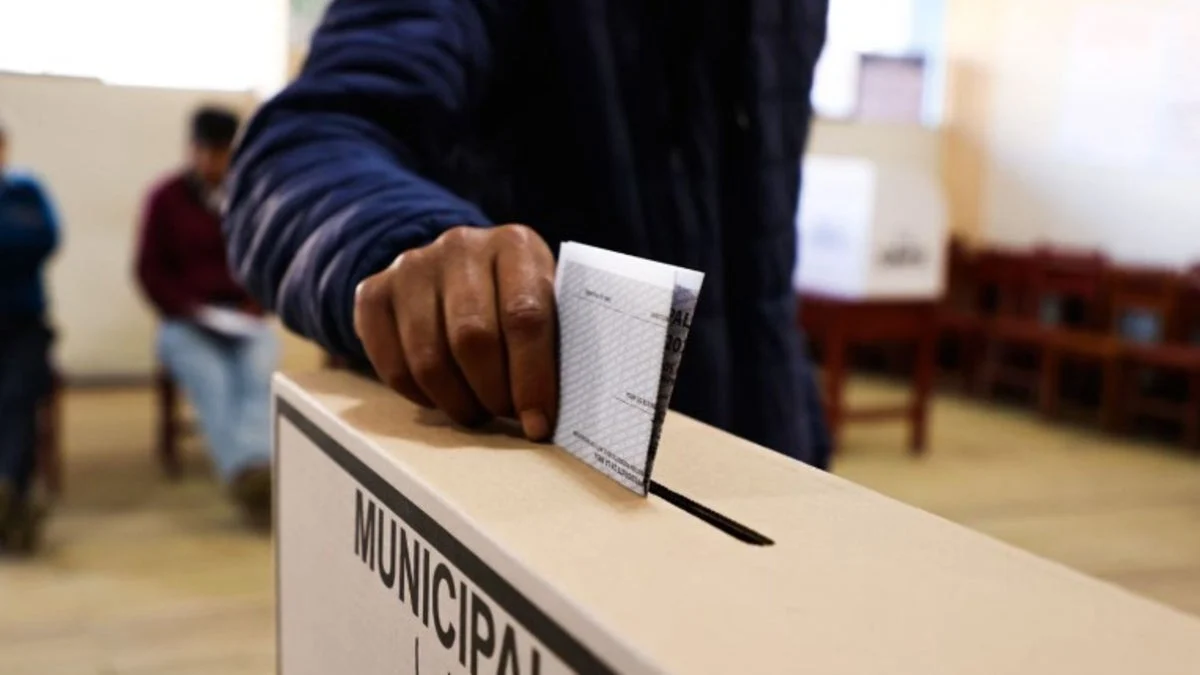
The upcoming 2026 regional and municipal elections in Peru, scheduled for Sunday, October 4, were intended to be a robust exercise in democratic renewal. However, as the polling date approaches, the electoral landscape has been marred by an alarming escalation of violence. The brutal assassination of journalist and regional gubernatorial candidate Susy Aponte Polo in the markets of Caraz has served as a grim catalyst, exposing the extreme risks faced by those attempting to participate in the political life of the nation. As criminal organizations increasingly target political actors, the integrity of the electoral process hangs in a precarious balance.
Main Facts: The Escalation of Political Hostility
The statistics provided by the National Jury of Elections (JNE) paint a harrowing portrait of a democratic system under duress. Eugenia Fernán Zegarra Miranda, the JNE’s Director of National Studies, Strategies, and Territorial Coordination, recently confirmed that the institution has documented at least 83 distinct cases of threats, physical attacks, and extortion targeting candidates across the country.
The intensity of these incidents has seen a dramatic, exponential increase in the final stretch of the campaign. According to data released by the JNE, 23 of these violent incidents occurred within a compressed nine-day window, signaling a systematic effort to intimidate political figures in the final stages of the race. These are not isolated skirmishes; they represent a targeted campaign of political destabilization that affects diverse spectrums of the ideological map. Major political organizations, including Alianza para el Progreso (APP), Somos Perú, and Podemos Perú, have reported that their candidates are among those suffering from persistent harassment, extortion, and violence in various regions.
Chronology: From Isolated Threats to Systematic Terror
The progression of this crisis can be traced through the intensification of incidents leading up to the current state of emergency.
- Early Campaign Phase: Initial reports focused on low-level intimidation, such as graffiti and verbal threats delivered via social media. During this period, most candidates dismissed these as the "cost of doing business" in local politics.
- The Mid-Campaign Spike: As candidates began traveling to rural provinces and establishing their local campaign headquarters, the nature of the threats shifted. Extortionists began demanding "protection money" in exchange for the ability to campaign in specific territories.
- The Turning Point: The assassination of Susy Aponte Polo in Áncash marked a definitive shift in public and institutional perception. The murder transformed the discourse from one of "political rivalry" to one of "national security."
- The Final Nine Days: The most recent surge, with 23 recorded incidents in just over a week, indicates that criminal syndicates are leveraging the final, high-exposure phase of the election to exert maximum pressure on candidates.
Supporting Data: Mapping the Hotspots
The geography of violence is widespread, yet it is concentrated in specific corridors where criminal activity, particularly illegal mining and drug trafficking, intersects with local governance. The JNE has identified a clear map of high-risk regions:
- Lima and Lima Provinces: Despite being the capital, the sheer volume of candidates and the density of urban criminal networks make this the most complex zone for security management.
- La Libertad and Áncash: These regions remain hotbeds for conflict, largely driven by the influence of illegal mining syndicates that fear stricter regulation from a new regional government.
- Cajamarca: A historically contentious region where land-use conflicts often spill over into political violence.
- San Martín and Huancavelica: These areas have shown a concerning increase in reports of extortion, where local criminal groups are attempting to exert influence over the municipal budgetary processes.
Official Responses: The JNE’s Defensive Strategy
Faced with a stark deficit in public security resources, the JNE has been forced to take extraordinary measures. Recognizing that the national police force (PNP) is severely overextended and unable to provide individual security details for the thousands of candidates vying for office, the electoral body has pivoted to a strategy of institutional guidance.
The "Security Manual for Political Actors"
The JNE has officially launched and distributed a comprehensive Security Manual for Political Actors. This document provides technical guidelines and preventive criteria to help candidates, their teams, and their families mitigate risks. The manual covers a wide range of defensive strategies:
- Physical Security Protocols: Best practices for campaign events, the security of movement, and the vetting of campaign staff.
- Digital Defense: Protecting candidates from cyber-harassment, data theft, and the coordinated dissemination of misinformation intended to ruin reputations.
- Institutional Reporting: Streamlining the process for candidates to report threats directly to the JNE and the Public Ministry, ensuring that evidence is preserved for prosecution.
Fernán Zegarra Miranda noted the sobering reality of the situation: "There are over 10,000 candidates today in the regional and municipal races. We do not have enough police officers in the entire country to guarantee the physical safety of every individual candidate. Therefore, we must empower candidates with the knowledge to safeguard their own integrity."
Implications: The Erosion of Democratic Participation
The implications of this wave of violence are profound and potentially long-lasting. When candidates are systematically targeted, the electoral process ceases to be a fair contest of ideas and becomes a game of survival.
1. The Chilling Effect on Candidate Diversity
The most immediate consequence is the "chilling effect." Talented, honest, or reform-minded individuals—who are most likely to threaten the interests of criminal networks—may choose to withdraw from public life. This leaves a vacuum that is increasingly filled by individuals either willing to collude with criminal elements or those who have the resources to "buy" their own security, further corrupting the political system.
2. The De-legitimization of Results
If a significant portion of the population perceives that the electoral process was dictated by threats and extortion rather than by voter choice, the legitimacy of the resulting regional and municipal governments will be severely compromised. A government born from a climate of fear is inherently unstable and prone to collapse or corruption.
3. The Digital Battlefield
The JNE’s manual highlights an often-overlooked aspect of modern political violence: the digital environment. Criminal groups are increasingly using social media to harass candidates, spread deepfakes, and coordinate smear campaigns. By controlling the digital narrative, these groups can effectively "assassinate" a political career without ever firing a bullet. This digital aggression is an extension of the physical violence, and it requires a sophisticated response that the current legal framework is struggling to provide.
4. The Institutional Crisis of Public Security
The admission by the JNE that there are insufficient police resources to protect candidates is a devastating indictment of the state’s failure to maintain a monopoly on the use of force. It suggests that in many parts of the country, the state has effectively ceded control to parallel power structures. The electoral cycle has become a stress test for the Peruvian state, and the results thus far suggest that the institutional architecture is failing to provide the most basic requirement of democracy: the freedom to participate without fear of death.
Conclusion: A Call for Collective Responsibility
As the country moves toward the October 4 election, the focus must shift from mere administration to comprehensive protection. The JNE’s manual is a necessary step, but it is not a solution. The protection of democracy requires a multi-agency effort involving the Ministry of the Interior, the judiciary, and civil society.
The assassination of Susy Aponte Polo should be treated as the ultimate warning. If the state cannot ensure that candidates for public office can speak, travel, and campaign without being coerced by the criminal underworld, the legitimacy of the 2026 electoral process will be irreparably damaged. The future of Peru’s decentralization and its regional governance depends on the state’s ability to reclaim the public square from those who believe that bullets are more powerful than ballots. The coming days will be a testament to the resilience of the Peruvian people and the resolve of their institutions to protect the foundational rights of their democracy.