
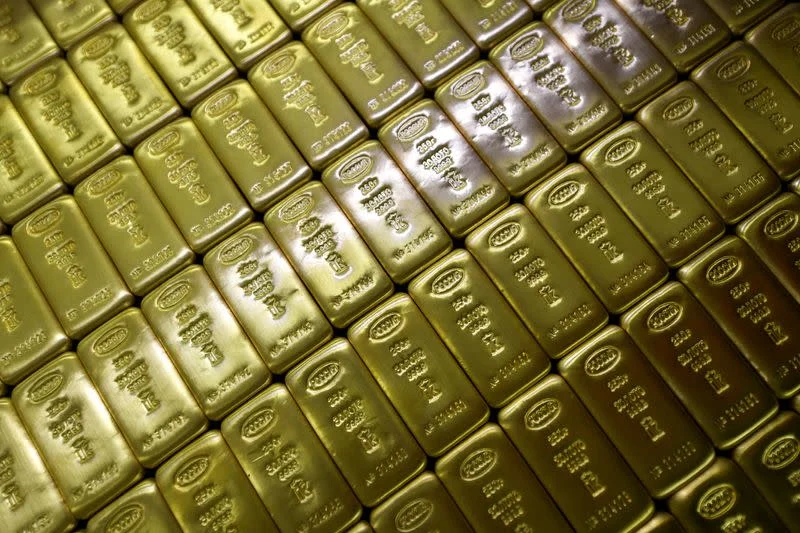
Beijing, China – In a stunning display of its growing economic influence and strategic foresight, China has shattered all previous records for gold acquisition, amassing an unprecedented volume of the precious metal. Data released by the General Administration of Customs of China reveals that by the end of August, the nation’s gold imports had already surpassed the entirety of the previous year’s intake. This surge represents a colossal financial commitment nearing $160 billion, a tempo of purchasing not witnessed since official records began in 2017. This monumental accumulation of gold is not merely a financial transaction; it is a potent signal of China’s evolving economic strategy, its pursuit of financial stability, and its proactive stance in navigating a turbulent global landscape.
The sheer scale of China’s gold imports underscores a deliberate and multi-faceted approach to bolstering its economic resilience. This aggressive acquisition is driven by two powerful, synergistic forces: the unwavering commitment of the People’s Bank of China (PBOC) to expand its gold reserves and the persistent demand from private investors seeking a safe haven amidst escalating geopolitical tensions. The confluence of these factors, amplified by a strong yuan that has made imports more affordable and facilitated more generous import quotas from regulators, paints a clear picture of a nation strategically positioning itself for future economic challenges and opportunities.
The Unprecedented Scale of Acquisition: A New Benchmark
The figures emerging from Chinese customs are nothing short of extraordinary. By August, China had already surpassed its total gold imports for the entirety of 2025. This signifies a dramatic acceleration in purchasing activity, indicating a concerted effort to rapidly expand its gold holdings. The near-$160 billion expenditure underscores the immense capital being channeled into this strategic asset. This level of import activity has not been seen since the inception of official tracking in 2017, highlighting the exceptional nature of the current trend.
The implications of such a substantial increase in gold reserves are far-reaching. Gold, historically, has been a cornerstone of financial stability, offering a hedge against inflation, currency devaluation, and geopolitical instability. For a nation of China’s economic magnitude, a robust gold reserve serves as a critical component of its financial architecture, providing a tangible anchor in an increasingly volatile global economic environment. This aggressive accumulation suggests a strategic move to diversify its vast foreign exchange reserves, which have traditionally been heavily weighted towards U.S. dollar-denominated assets.
Dual Drivers: Central Bank Accumulation and Private Investor Flight to Safety
The surge in China’s gold imports is not a monolithic phenomenon but rather a convergence of two distinct yet complementary forces.
The People’s Bank of China: A Consistent and Growing Appetite
At the forefront of this gold rush is the People’s Bank of China. The central bank has embarked on an unprecedented period of sustained gold accumulation, marking nineteen consecutive months of purchases. This unwavering commitment underscores a strategic imperative to bolster the nation’s gold reserves. The latest data reveals a significant increase of 20 tonnes in August alone, a testament to the central bank’s persistent and aggressive buying strategy.
This sustained purchasing by the PBOC is indicative of a long-term strategy to diversify its foreign exchange reserves and reduce its reliance on the U.S. dollar. In an era marked by increasing geopolitical friction and potential weaponization of financial assets, central banks worldwide are re-evaluating their reserve management strategies. China, as the world’s second-largest economy, is acutely aware of the need for a robust and diversified reserve base, with gold playing a crucial role in providing stability and a hedge against potential economic shocks. The consistent monthly purchases suggest a methodical and strategic approach, rather than a reactive one, aimed at gradually but surely increasing its gold holdings.
Private Investors: Seeking Sanctuary in a Volatile World
Simultaneously, private investors in China are increasingly turning to gold as a safe haven asset. The prevailing geopolitical climate, characterized by heightened tensions and uncertainties, has fueled a growing demand for tangible assets that can preserve wealth. From the ongoing conflict in Eastern Europe to escalating regional disputes, the global landscape is rife with potential disruptions. In such an environment, gold offers a tangible and historically proven hedge against inflation and economic instability.
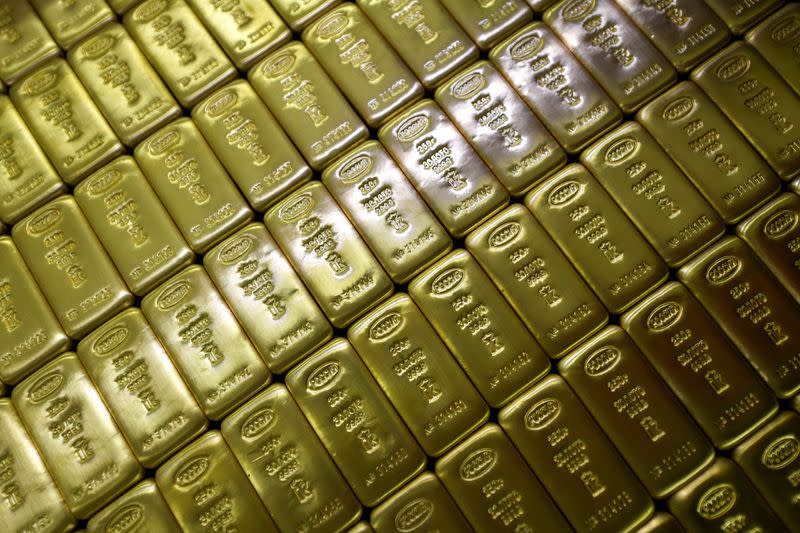
This "flight to safety" among private investors is a significant contributor to the overall demand for gold within China. As individuals and institutions seek to protect their assets from the ravages of inflation and market volatility, gold emerges as a preferred investment. This sentiment is further amplified by concerns about the long-term stability of global financial markets and the potential for currency fluctuations. The strong performance of gold in recent times, particularly in response to geopolitical events, has further solidified its appeal as a secure investment.
The Yuan’s Role: Facilitating Imports and Broadening Access
Adding another layer of complexity and support to China’s gold acquisition is the strength of the Chinese yuan. Since the beginning of the year, the yuan has exhibited a robust performance, which has directly benefited gold importers. A stronger yuan makes it cheaper for Chinese entities to purchase gold, which is primarily priced in U.S. dollars on the international market. This currency advantage has effectively lowered the cost of acquiring gold, making larger purchases more economically viable.
Furthermore, the favorable exchange rate has empowered Chinese regulators to grant more generous import quotas. This regulatory flexibility allows for a smoother and more efficient flow of gold into the country, directly supporting the central bank’s and private investors’ purchasing ambitions. The interplay between a strong yuan and accommodating regulatory policies has created an environment conducive to unprecedented gold imports, demonstrating a coordinated approach to managing the nation’s financial inflows and reserves.
Global Context: A Worldwide Trend Towards Gold
China’s voracious appetite for gold is not an isolated phenomenon; it is part of a broader global trend observed among central banks and investors. The increasing demand for gold reflects a growing unease with the prevailing global economic and geopolitical order.
The Netherlands’ Strategic Repositioning
A prime example of this global shift is the recent strategic move by the Dutch central bank. The Netherlands Bank (DNB) recently relocated a significant portion of its gold reserves, transferring 86 tonnes from New York and Ottawa to London. This operation, conducted between March and August, was explicitly aimed at enhancing the liquidity of its reserves and preparing for potential crisis scenarios.
This relocation has had a tangible impact on the distribution of Dutch gold holdings. London’s share of the Netherlands’ gold reserves has surged from 18.1% to a commanding 32.1%, establishing it as the primary storage hub for Dutch gold. This move by a European central bank underscores a growing concern among monetary authorities about the accessibility and security of their gold reserves, particularly in light of geopolitical developments. The decision to move gold to London, a historically significant financial center with established infrastructure for gold storage and trading, signals a prudent approach to reserve management in an uncertain world.
The Dutch central bank’s actions echo a sentiment increasingly prevalent among central banks: the need for greater control and accessibility over their gold holdings. In an era of heightened geopolitical risk, the ability to quickly and efficiently deploy gold reserves can be a critical factor in maintaining financial stability.
The Broader Central Bank Landscape
Beyond the Netherlands, numerous other central banks have been actively increasing their gold reserves. This diversification away from traditional reserve currencies, particularly the U.S. dollar, is a quiet but persistent trend that has been gaining momentum over the past decade. Central banks are increasingly recognizing the inherent value of gold as a store of value, a hedge against inflation, and a diversifier of risk. This global recalibration of reserve assets suggests a fundamental shift in how nations perceive and manage their financial security.

The Price of Gold: Reflecting Geopolitical Tensions
The surging demand for gold, both from China and globally, has inevitably impacted its price. The spot price of gold has been on an upward trajectory, recently hovering around $4,327 per ounce. This price surge has been particularly pronounced following the initiation of military offensives by the United States and Israel against Iran. These geopolitical events have injected a significant degree of uncertainty into global markets, driving investors towards safe-haven assets like gold.
Analysts believe that the price of gold has the potential for further appreciation. If the metal can maintain its position above the $4,250 per ounce mark, there is a strong possibility of it recovering towards $4,550 per ounce. This upward potential is directly linked to the ongoing geopolitical tensions and the continued demand from both central banks and private investors seeking refuge from uncertainty. The sensitivity of gold prices to geopolitical events highlights its role as a barometer of global instability and a preferred asset class during times of crisis.
Implications for the Global Economic Order
China’s record-breaking gold acquisition carries profound implications for the global economic order and the future of international finance.
Diversification of Reserves and De-Dollarization Efforts
The relentless accumulation of gold by China is a clear indication of its strategic objective to diversify its foreign exchange reserves. This move serves to reduce its over-reliance on the U.S. dollar, a trend that aligns with broader global discussions about de-dollarization. As China’s economic clout continues to grow, it is natural for it to seek greater flexibility and autonomy in its financial management. A substantial gold reserve provides a tangible and internationally recognized store of value, offering a degree of insulation from the potential vulnerabilities associated with a single dominant reserve currency.
A Strategic Hedge Against Uncertainty
In an era marked by escalating geopolitical rivalries, trade disputes, and the looming specter of economic fragmentation, China’s gold accumulation can be viewed as a strategic hedge. By increasing its gold holdings, China is fortifying its financial resilience, ensuring it has a robust asset to weather potential economic storms. This proactive approach to risk management underscores China’s long-term vision and its commitment to safeguarding its economic prosperity.
Shifting Global Power Dynamics
The sheer scale of China’s gold purchases also signifies a subtle but significant shift in global economic power dynamics. As China becomes a dominant player in the gold market, its influence over the precious metal’s pricing and global supply chains is likely to increase. This growing influence, coupled with its expanding economic and financial footprint, positions China as an increasingly formidable force on the global stage.
A Signal to the International Community
Ultimately, China’s record-breaking gold rush is more than just a financial transaction; it is a powerful signal to the international community. It communicates China’s commitment to financial stability, its strategic foresight, and its growing assertiveness in shaping the global economic landscape. As the world navigates an increasingly complex and uncertain future, China’s actions in the gold market will undoubtedly be closely watched, offering insights into its evolving economic strategy and its aspirations for global leadership. The era of unprecedented gold acquisition by China is not merely a headline; it is a chapter in the ongoing narrative of global economic realignment.