A Strategic Response to Climate Vulnerability
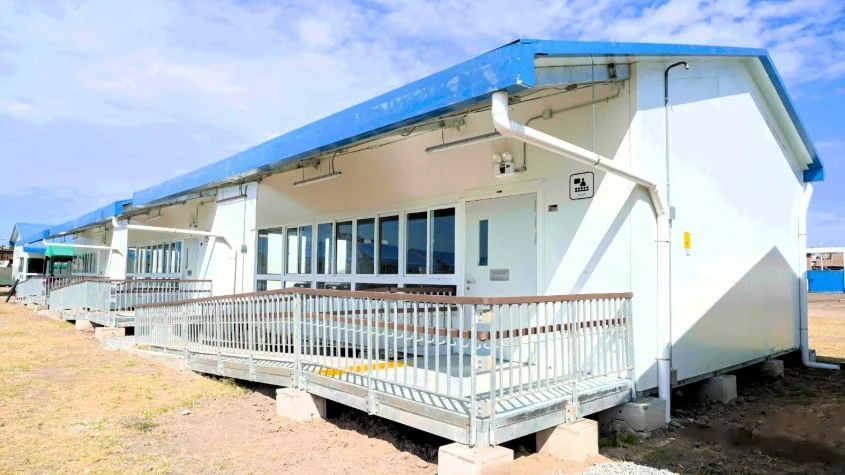
In a decisive move to safeguard the Peruvian education sector against the looming threat of the El Niño phenomenon, the Ministry of Education (Minedu) has announced a significant financial injection of S/ 373 million. This strategic investment is earmarked for the acquisition of 1,500 modular classrooms and 165 lightning protection systems, serving as the cornerstone of the government’s preparedness strategy for the 2026 fiscal year.
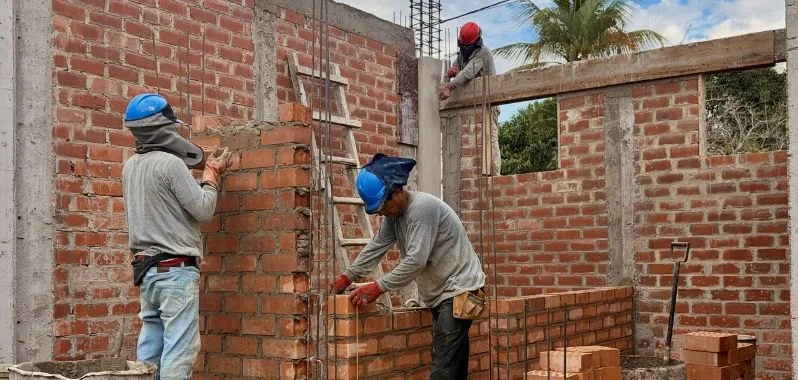
The allocation, formalized under Supreme Decree 196-2026-EF, is not merely a purchase order; it represents a comprehensive logistical undertaking. Beyond the manufacturing costs, the budget covers the complex transportation, professional installation, and specialized maintenance services required to deploy these facilities in the nation’s most climate-vulnerable regions. By prioritizing rapid-response infrastructure, the Minedu aims to mitigate the disruption of academic cycles caused by torrential rains, flooding, and the subsequent degradation of traditional school buildings.
Main Facts: The Modular Solution
The selection of modular classrooms is a calculated decision rooted in their physical properties: they are lightweight, desmontable, and highly adaptable. In regions where terrain may be compromised by mudslides or heavy waterlogging, these units offer a resilient alternative to concrete structures.
- Financial Scope: S/ 373 million transferred to address immediate disaster preparedness.
- Infrastructure Targets: 1,500 modular units to be deployed; 165 lightning arresters to ensure safety during intense tropical storms.
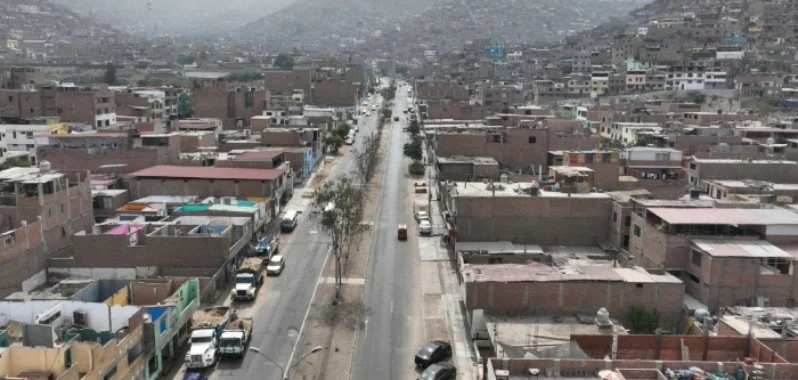
- Primary Geographic Focus: Coastal regions, specifically Lambayeque, Tumbes, Piura, Lima, and La Libertad, where the meteorological impact of El Niño historically reaches its peak intensity.
- Operational Objective: Maintaining the continuity of service for students whose schools may be declared unsafe or physically inaccessible due to climate damage.
Chronology of Preparedness Actions
The path to this current investment is part of a broader, multi-layered risk management framework developed throughout 2026. The chronology of these defensive measures highlights a proactive, rather than reactive, approach:

- Early 2026 (Assessment Phase): Minedu conducted nationwide inspections of 7,998 educational facilities. This audit identified critical vulnerabilities in nearly 50,000 classrooms, serving over 1.2 million students.
- Mid-2026 (Strategic Planning): The identification of high-risk zones led to the design of the "El Niño Resilience Strategy," which prioritized budgetary allocation for regional and local educational management units.
- September 2026 (Execution Phase): The publication of Supreme Decree 196-2026-EF authorized the official transfer of funds, triggering the procurement process for the 1,500 modular units.
- Upcoming Implementation: The rollout of infrastructure is scheduled to coincide with the pre-peak meteorological windows, ensuring that units are on-site before the heaviest rainfall begins.
Supporting Data and Scaling Impact
The scale of this intervention is massive. When analyzing the scope of the maintenance program, it becomes clear that this is the largest educational infrastructure preparedness plan in recent years.
The Numbers Behind the Strategy
- Scope of Maintenance: 7,998 school locations are undergoing preventative maintenance.
- Student Impact: 1,237,000 students are currently identified as residing in areas of high concern.
- Logistical Complexity: The project includes not just the physical classroom shells, but also the specialized services for electrical connectivity and lightning protection, which are essential in the storm-prone areas of northern Peru.
The decision to focus on the coast is driven by historical data indicating that El Niño’s atmospheric anomalies disproportionately affect the arid but highly populated coastal plains. By shifting the focus to these regions, Minedu is attempting to prevent a "lost year" of schooling, which has been a recurring trauma during previous climate events.
Official Pedagogical Responses: The "Aula TV" Initiative
Infrastructure is only one facet of the Ministry’s response. Recognizing that physical school attendance may become impossible in flooded or isolated areas, the Minedu has launched a robust remote learning pedagogical model.
The "Aula TV" Framework
The strategy centers on the "Aula TV" initiative, a comprehensive media campaign designed to bridge the gap between classroom teaching and home-based learning. Key components include:

- Multi-Platform Delivery: Content is broadcast via partnerships with the National Institute of Radio and Television of Peru (IRTP), USMP TV, and other private media entities.
- Curriculum Integration: The videos are specifically tailored to align with the National Curriculum, ensuring that students do not fall behind in core subjects regardless of their physical location.
- Non-Digital Contingencies: For rural zones—where internet connectivity is inconsistent or non-existent—the Ministry is deploying radio-based lessons. This is complemented by the distribution of self-instructional workbooks, which allow students to continue their studies using high-quality printed materials even when electricity and digital signals fail.
Implications for the Future of Education
The long-term implications of this S/ 373 million investment extend beyond the immediate threat of El Niño. This project represents a shift in how the Peruvian government perceives the intersection of climate change and public service delivery.
Structural Resilience
By investing in modular, reusable infrastructure, the Ministry is building a "stock" of assets that can be redeployed across the country as needs evolve. These are not merely temporary shelters; they are assets that can be repurposed for future population growth or as auxiliary facilities in regions with severe school overcrowding.
Institutional Capacity Building
Perhaps the most enduring legacy of this program will be the capacity-building efforts directed at the regional and local levels. The Minedu is currently conducting nationwide training programs for regional directors and local educational management units (UGELs). This training focuses on:
- Risk Anticipation: Improving the ability of local leaders to identify danger signs before a disaster strikes.
- Decision-Making: Empowering local authorities to act autonomously in declaring school suspensions or activating emergency pedagogical protocols.
- Crisis Management: Streamlining the communication between local communities and the central government to ensure that supplies and support reach the most isolated areas without bureaucratic delay.
Addressing the Socio-Economic Gap
The investment also highlights the disparity in educational access. By prioritizing rural areas for radio programming and physical workbooks, the Minedu is attempting to narrow the achievement gap that traditionally widens during natural disasters. The goal is to ensure that a student in a remote village in Piura has access to the same quality of instructional material as a student in the capital, even when the schoolhouse door is closed by flooding.

Conclusion
As the 2026 climate outlook continues to present challenges, the Ministry of Education’s strategy stands as a model for proactive disaster management. By balancing heavy infrastructure investment with flexible, technology-integrated pedagogical solutions, the government is signaling that it is no longer willing to allow climate volatility to dictate the future of its students. The success of this S/ 373 million initiative will ultimately be measured by the ability of the Peruvian school system to remain operational, resilient, and focused on learning, even in the face of nature’s most unpredictable forces.
The integration of local regional government accountability, coupled with the rapid deployment of modular assets, ensures that the educational sector is not just surviving the threat of El Niño, but actively working to outmaneuver it. This investment is not just about bricks and mortar; it is a vital down payment on the future of over a million students, ensuring that their right to education remains protected, regardless of the weather.