Ensuring Public Health: A Deep Dive into the Regulatory Oversight of Water Infrastructure
In a decisive move to safeguard public health and ensure the continuity of high-quality sanitation services, the Superintendencia Nacional de Servicios de Saneamiento (SUNASS)—Peru’s national regulatory body for sanitation services—recently executed a comprehensive technical inspection of the Cabrapata Water Treatment Plant (PTAP). Operated by Seda Ayacucho S.A., the facility serves as a critical node in the water supply network for the Ayacucho region. This audit was not merely a routine check but a deep-dive technical evaluation aimed at validating the rigorous standards required for the safe delivery of potable water to thousands of citizens.
The regulatory intervention, which saw specialized teams from SUNASS on the ground at the Cabrapata site, focused on the efficacy of the purification process, the operational status of core infrastructure, and the strict adherence to national health and safety protocols. As the demand for water security grows in the face of climate variability and population expansion in Ayacucho, the role of independent regulators like SUNASS has become increasingly vital.
Main Facts: The Scope of the Audit
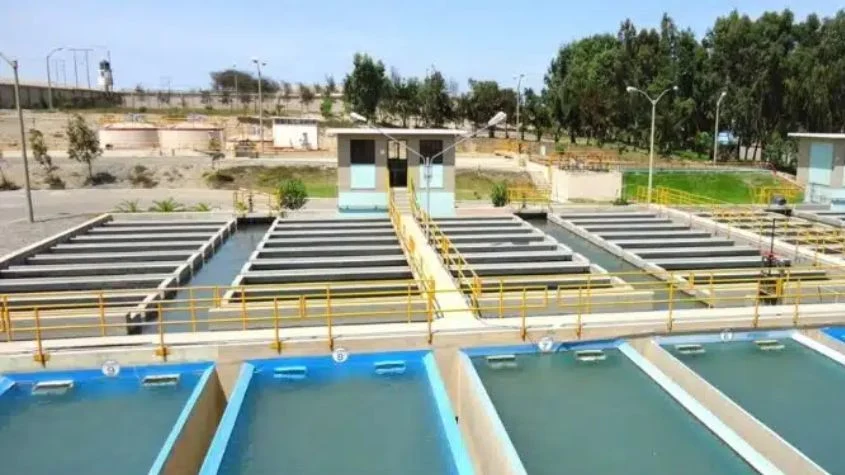
The inspection centered on the operational integrity of the Cabrapata plant. SUNASS technicians conducted an exhaustive review of the facility’s primary components, which include sediment tanks, filtration units, and the chemical dosing systems essential for disinfection.
Key areas of focus during the on-site evaluation included:
- Operational Infrastructure: A detailed check of the mechanical and structural components of the PTAP to ensure they are performing within design specifications.
- Chemical Dosing Accuracy: Evaluating the precision of the systems responsible for applying chlorine and other treatment agents, which are the first line of defense against waterborne pathogens.
- Instrumentation and Monitoring: A verification of the digital and analog control systems that monitor real-time water quality.
- Data Integrity: A cross-referencing of the plant’s internal operational logs against the actual real-time measurements taken during the visit.
The regulatory team specifically scrutinized critical parameters: turbidity (the clarity of the water), conductivity (a measure of dissolved solids), pH levels (essential for chemical balance and safety), and free residual chlorine (the indicator that ensures water remains safe as it travels through pipes to households).

Chronology of the Inspection
The recent visit to the Cabrapata plant follows a period of heightened surveillance by SUNASS. While the specific dates of the latest audit were part of a coordinated effort to observe normal operating conditions without prior notice, the chronology of the regulator’s involvement in the region is as follows:
- Preliminary Planning: SUNASS regional offices identified the Cabrapata facility as a priority for inspection based on periodic performance reports and historical data submitted by the water utility.
- Deployment: A team of sanitation experts, engineers, and quality control specialists arrived at the plant, initiating a walkthrough of the entire purification circuit.
- Active Sampling: In a move to ensure complete objectivity, the regulator collected water samples directly from the production line. These samples were sealed and transported under strict chain-of-custody protocols to an accredited independent laboratory in Lima.
- Documentation Review: Following the physical inspection, the team spent significant time reviewing the administrative and technical records of the facility to ensure that Seda Ayacucho has been maintaining consistent documentation of their internal quality control measures.
- Post-Inspection Briefing: The regulatory team conducted an exit meeting with plant management to outline the scope of the findings that will be detailed in the upcoming official technical report.
Supporting Data: Why Quality Standards Matter
Water quality is not an abstract concept; it is the cornerstone of public health. The standards regulated by SUNASS in Peru are aligned with international guidelines set by the World Health Organization (WHO) and local health regulations.
Understanding the Parameters
- Turbidity: Measured in Nephelometric Turbidity Units (NTU). Excessive turbidity can shield microorganisms from disinfection processes. Keeping these levels low is non-negotiable for a modern utility.
- Chlorine Residual: This is perhaps the most critical indicator for the consumer. It indicates that the water has been disinfected and that it carries a "residual" protection to prevent recontamination within the municipal distribution network.
- pH Levels: Maintaining a neutral to slightly alkaline pH is crucial not just for health, but for preventing the corrosion of distribution pipes, which can lead to lead or other heavy metal leaching if not managed correctly.
The use of an accredited third-party laboratory in Lima to analyze the samples taken at Cabrapata ensures that the results are beyond reproach. By utilizing an external lab, SUNASS eliminates any potential conflict of interest, providing the citizens of Ayacucho with an unbiased verification of their water quality.
Official Responses and Accountability
Seda Ayacucho S.A., as the utility provider, has maintained an open stance regarding the inspection. In the context of public utility management, these inspections are viewed as part of the standard regulatory framework. When asked for comment, utility representatives noted that they are committed to continuous improvement and that they cooperate fully with SUNASS to ensure that the infrastructure meets the requirements set by the state.
SUNASS, on the other hand, has emphasized its role as a "proactive regulator." Their statement following the audit highlights that the objective is not simply to penalize, but to ensure that the service provided to the public meets the legal guarantees of quality and availability.

"The results of this inspection will be consolidated into a formal technical report," a SUNASS spokesperson indicated. "This document serves as the foundation for our regulatory actions. If our technicians identify any deviations from the established standards, we are empowered by law to order immediate corrective measures, and if necessary, initiate an administrative sanctioning process."
This statement underscores the "teeth" of the Peruvian regulatory system. It is a tiered approach: first, identification of the problem; second, a mandate for correction; and third, punitive action if the utility fails to rectify the issue in a timely manner.
Implications for the Future of Ayacucho’s Water Supply
The implications of this inspection reach far beyond the walls of the Cabrapata plant. For the residents of Ayacucho, it is a message of reassurance. In a country where infrastructure investment is a major political and economic driver, the oversight of existing assets is just as important as the construction of new ones.
1. Strengthening Institutional Trust
When a regulatory body like SUNASS performs its duties visibly and thoroughly, it builds public confidence. Citizens are more likely to trust the water that comes out of their taps when they know it is subject to rigorous, independent testing.
2. Preventive Maintenance
The findings from this report will likely influence the capital expenditure plans of Seda Ayacucho. If the inspection reveals that certain filtration media or dosing pumps are nearing the end of their operational lifespan, the utility will be pressured to prioritize the replacement of these parts, preventing future service interruptions.

3. Setting a Regional Benchmark
Ayacucho, as a growing urban center, requires a robust sanitation framework. By keeping the Cabrapata plant under the microscope, SUNASS is setting a standard for other plants in the region. The lessons learned from this audit will be applied across the board, potentially leading to better operational practices throughout the utility’s entire service portfolio.
4. Regulatory Evolution
The use of modern sampling and testing methods, combined with the administrative weight of the sanctioning process, reflects a maturing regulatory environment in Peru. As the country continues to urbanize, the ability of regulators to anticipate and mitigate water quality risks will be the defining factor in preventing public health crises.
Conclusion
The inspection of the Cabrapata Water Treatment Plant by SUNASS is a quintessential example of the "checks and balances" required in modern utility management. While the results of the laboratory analysis are pending, the process itself serves as a vital component of the sanitation ecosystem. It ensures that Seda Ayacucho remains accountable to the public they serve and that the water supply—the lifeblood of the community—remains safe, consistent, and compliant with national standards.
As the technical report is finalized, the eyes of the public and the stakeholders will be on the outcomes. Whether this leads to infrastructure upgrades or the validation of current processes, the primary beneficiary remains the citizen of Ayacucho, for whom access to clean, reliable water is not a luxury, but a fundamental right. SUNASS’s proactive approach ensures that this right is protected, one sample at a time.