
Introduction: A Strategic Transition in the Executive Branch
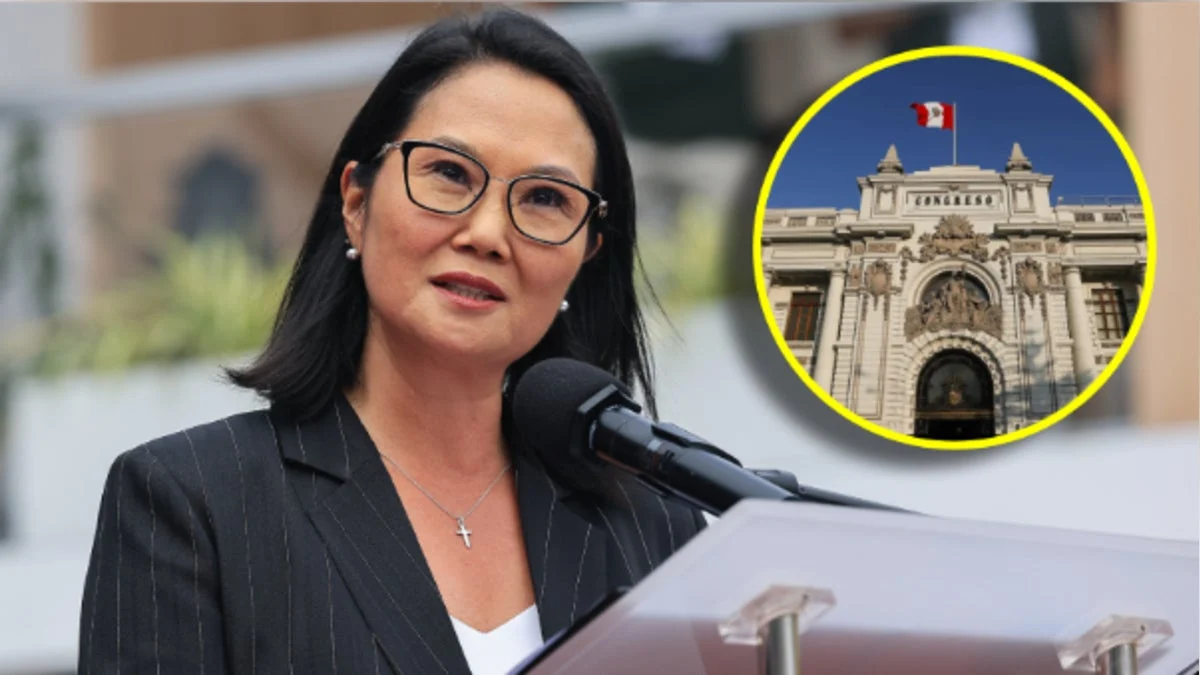
In a significant political development, José Angello Tangherlini has been sworn in as the new Minister of Transport and Communications (MTC). The ceremony, held at the Government Palace under the leadership of President Keiko Fujimori and witnessed by the ministerial cabinet headed by Prime Minister Luis Galarreta, marks a pivotal shift in the administration’s infrastructure and connectivity strategy. Tangherlini succeeds Rafael Rey, whose tenure was marked by complex negotiations regarding national infrastructure projects and logistical reforms.
Tangherlini, a seasoned economist with an extensive background in public service and regulatory oversight, enters the role at a time when the Ministry of Transport and Communications faces mounting pressure to accelerate the delivery of critical national projects, modernize telecommunications infrastructure, and address the logistical challenges inherent in the country’s post-pandemic economic recovery.
Chronology of the Appointment and Political Context
The transition process began late Friday evening, following intense deliberations within the executive branch regarding the direction of the transport portfolio. The official swearing-in ceremony was characterized by a sense of urgency, reflecting the administration’s desire to maintain continuity while injecting a fresh perspective into the management of public services.
Key Milestones in the Transition:
- Announcement: Speculation regarding a cabinet reshuffle had been circulating in political circles for weeks, centering on the need for a more technical approach to infrastructure management.
- The Ceremony: President Keiko Fujimori presided over the formal oath-taking, emphasizing the administration’s commitment to transparency and efficiency in the execution of public works.
- Handover: Rafael Rey concluded his tenure, leaving behind a legacy of regulatory adjustments. Tangherlini immediately commenced briefings with senior ministry officials to ensure there is no disruption in the ongoing telecommunications and transport infrastructure tenders.
Academic Background and Professional Expertise
Tangherlini Casal’s appointment is widely viewed by political analysts as a "technical" selection. His academic credentials and professional history suggest a focus on data-driven decision-making and regulatory compliance.
Academic Credentials
Tangherlini is an alumnus of the Universidad Nacional Mayor de San Marcos (UNMSM), where he earned his degree in Economics. Recognizing the need for specialized knowledge in a globalized economy, he pursued a Master’s degree in Economics at the Pontificia Universidad Católica del Perú (PUCP). Furthermore, his focus on financial governance led him to obtain a Master’s degree in Finance and a specialized diploma in Public-Private Partnerships (PPPs) from the Universidad ESAN—a critical qualification given the current reliance on private sector investment for national infrastructure development.
Professional Trajectory
Before his elevation to the cabinet, Tangherlini served in several high-profile capacities:
- Agro Rural: As the Executive Director of the Programa de Desarrollo Productivo Agrario Rural, he managed complex logistics and supply chain initiatives, an experience that is highly transferable to the Ministry of Transport.
- Regulatory Experience (Ositran & Osiptel): Perhaps his most relevant experience involves his tenure as the Chief of Intermediate User Attention at Ositran (the Supervisory Agency for Investment in Public Transport Infrastructure) and his roles as an economic specialist and analyst at Osiptel (the Supervisory Agency for Private Investment in Telecommunications). These roles provided him with an intimate understanding of the regulatory hurdles that often stall public works.
- Viceministerial Service: Tangherlini previously held the title of Vice Minister for the Development of Family Agriculture and Agrarian Infrastructure and Irrigation, proving his ability to manage large-scale bureaucratic structures and inter-ministerial cooperation.
Supporting Data: The Regulatory Landscape
The Ministry of Transport and Communications is one of the most complex portfolios in the Peruvian government. It oversees the national road network, civil aviation, maritime transport, and the rapidly evolving telecommunications sector.
Tangherlini’s expertise in regulatory frameworks is not merely an asset; it is a necessity. Data from the ministry suggests that a significant percentage of delays in public infrastructure projects stem from legal bottlenecks, disputes over land acquisition, and complex regulatory compliance requirements. By appointing a former regulator to lead the ministry, the administration is signaling a move toward "regulatory streamlining."
Key Areas of Focus for the New Minister:
- Digital Connectivity: Expanding internet access to rural regions, leveraging his background in Osiptel to bridge the digital divide.
- Public-Private Partnerships (PPPs): Utilizing his training from ESAN to renegotiate and oversee major road and port concessions, ensuring that state-private contracts are both profitable and socially responsible.
- Infrastructure Maintenance: Addressing the backlog of maintenance projects that have been neglected in recent years, focusing on the efficiency of the national highway system.
Official Responses and Political Implications
The appointment has elicited a range of responses from across the political spectrum. Government allies have praised the selection, citing Tangherlini’s "technical profile" as exactly what the country needs to move past political gridlock and focus on tangible results.
"José Angello Tangherlini represents a new breed of public servant—one who prioritizes economic analysis and regulatory efficiency over political maneuvering," stated a spokesperson for the Prime Minister’s office shortly after the swearing-in.
Conversely, opposition leaders have raised questions about the administration’s overall policy direction. Some critics argue that while Tangherlini is a competent technician, the structural challenges facing the transport sector—such as corruption in contracting and environmental impact assessment delays—require more than just economic expertise; they require political will and a willingness to confront entrenched interests.
Potential Implications for the Cabinet:
- Increased Technical Cooperation: The presence of a former regulatory expert at the MTC may facilitate smoother interactions with regulatory bodies like Ositran and Osiptel, reducing the friction that often characterizes the relationship between the regulator and the regulated entity (the state).
- Budgetary Oversight: With his background in finance, observers expect a more disciplined approach to the MTC’s budget, with a likely increase in audits of ongoing project expenditures.
- Stability: The administration hopes that Tangherlini’s appointment will serve as a stabilizing force, providing a predictable environment for international investors interested in participating in the Peruvian infrastructure market.
The Road Ahead: Challenges and Opportunities
As Minister Tangherlini assumes office, he faces a daunting agenda. The public’s expectations for improved transportation networks, particularly in rural and underserved urban areas, are high. Furthermore, the global shift toward green energy and sustainable infrastructure presents a unique opportunity for Peru to modernize its transport corridors.
Addressing the Infrastructure Deficit
The "infrastructure gap" remains the single greatest impediment to sustained economic growth in Peru. Tangherlini will need to leverage his background in PPPs to attract foreign capital while ensuring that social safeguards are maintained. His experience in Agro Rural will be vital in ensuring that rural connectivity—often ignored in favor of large urban projects—receives the attention it deserves.
The Digital Mandate
The COVID-19 pandemic underscored the vital importance of telecommunications. As a former Osiptel analyst, Tangherlini is well-positioned to accelerate the rollout of fiber-optic networks and improve 5G deployment. His challenge will be to balance the interests of telecom giants with the needs of the consumer, ensuring fair pricing and universal service coverage.
Conclusion: A New Era of Technical Governance
The swearing-in of José Angello Tangherlini marks a definitive shift toward a more technocratic administration under President Keiko Fujimori. By elevating an individual with deep roots in regulatory agencies and public finance, the government is demonstrating a clear preference for expertise over political patronage.
Whether Tangherlini can translate his deep knowledge of regulatory frameworks into visible, ground-level improvements remains to be seen. The challenges of the Ministry of Transport and Communications are vast and deeply entrenched, yet the new Minister’s background provides a robust foundation for reform.
As the country watches, Tangherlini must prove that he can navigate not only the complexities of economic regulation but also the turbulent waters of Peruvian politics. His tenure will likely be defined by his ability to maintain regulatory integrity while accelerating the pace of development that the nation so urgently requires.
The appointment of Tangherlini is more than a change in leadership; it is a test of whether a technical, expert-led approach can deliver on the promises of development and connectivity in a nation eager for progress. The coming months will be critical as the new Minister unveils his strategic roadmap for the transport and communications sectors, setting the stage for what many hope will be a period of stability and modernization.