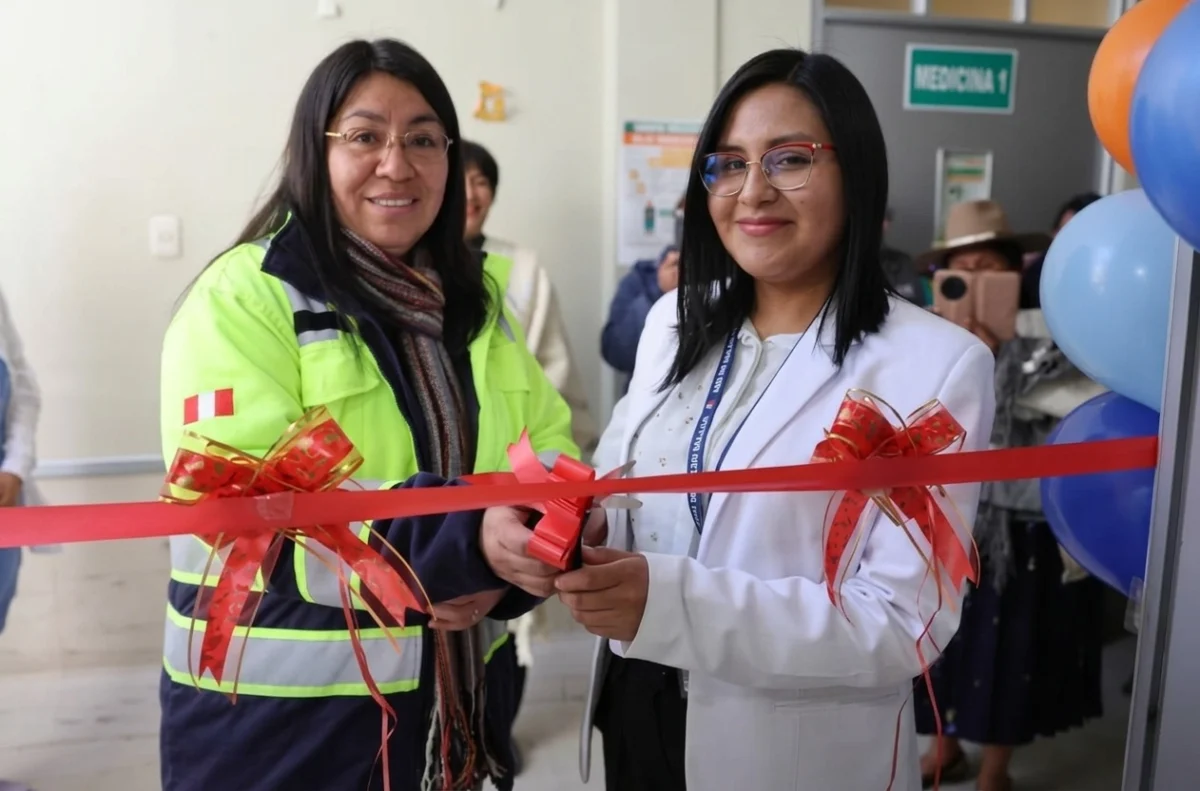
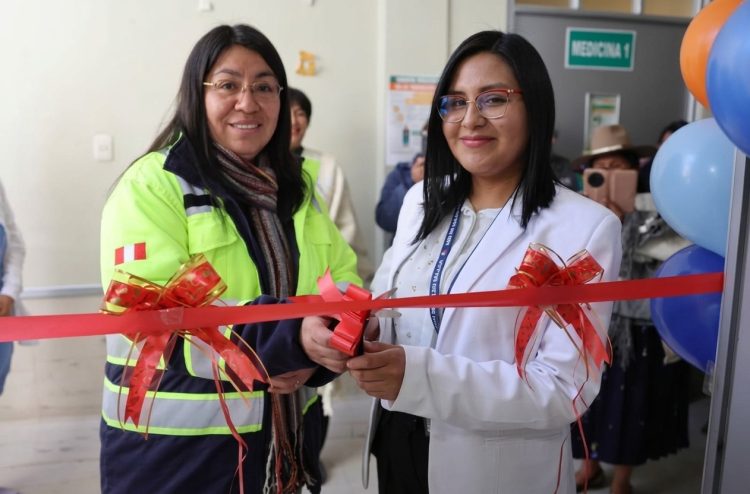
In a significant stride toward strengthening rural healthcare in the Puno region, Minsur has officially unveiled a fully renovated Growth and Development (CRED) room at the Antauta Health Center. This initiative, designed to provide a comprehensive and child-friendly environment for the district’s youngest residents, represents a pivotal investment in early childhood development. By bridging the gap between clinical necessity and a welcoming atmosphere, Minsur continues to solidify its role as a key socio-economic partner in the region, particularly within its area of influence surrounding the San Rafael mine.
Core Developments: Enhancing the Standard of Pediatric Care
The newly inaugurated facility is not merely a cosmetic update; it is a clinical upgrade designed to meet the rigorous standards established by the Peruvian Ministry of Health (MINSA). The renovated space serves as a dedicated hub for children aged zero to five, a critical window for physical, cognitive, and emotional development.
The facility has been equipped with high-precision medical instruments essential for accurate monitoring, including updated stethoscopes, stadiometers (height measuring devices), and professional-grade digital scales. Beyond the clinical hardware, the room has been transformed into a space that minimizes pediatric anxiety. By incorporating didactic materials, interactive games, and modernized furniture, the center now fosters an environment where children feel secure, which is essential for ensuring consistent attendance for routine check-ups.
The project is estimated to improve the quality of care for over 350 children who regularly visit the Antauta Health Center. By adhering to updated MINSA protocols, the facility now ensures that early childhood monitoring—from tracking developmental milestones to nutritional status—is conducted with maximum efficiency and comfort.
A Strategic Chronology of Impact
The renovation of the CRED room is not an isolated event but rather the latest milestone in a multi-year strategy under Minsur’s "Volar" (To Fly) program. The history of this intervention reflects a deliberate move toward data-driven community health management.
- Foundation Phase: Minsur established the initial framework for its health-focused social investment, identifying early childhood nutrition and vaccination coverage as the primary pillars for sustainable development in the Antauta and Ajoyani districts.
- The 2025 Milestone: During the 2025 fiscal year, the "Volar" program achieved unprecedented success metrics. Through aggressive outreach and community partnership, the program ensured that 98% of children in the targeted districts underwent hemoglobin screenings. Furthermore, 100% of the target pediatric population completed their full mandatory vaccination schedules.
- Current Expansion: With the primary health baseline stabilized, the strategy has shifted toward specialized diagnostics. The integration of the renovated CRED room marks the transition into the next phase of the program: proactive, early-stage intervention for chronic health issues like childhood anemia.
The Technological Frontier: Combatting Anemia
A cornerstone of Minsur’s current health initiative is the systematic eradication of childhood anemia in the region. Despite significant progress in general health metrics, anemia remains a persistent challenge in high-altitude Andean communities.
To combat this, the company has committed to deploying advanced medical technology to the Antauta Health Center. The upcoming delivery of immunofluorescence equipment is set to be a game-changer. Unlike traditional rapid tests, immunofluorescence technology provides highly precise quantitative data, allowing medical professionals to identify early signs of iron deficiency before they progress into severe, symptomatic anemia. This shift from reactive to proactive medicine is expected to significantly reduce the long-term developmental risks associated with malnutrition in early childhood.
Supporting Data: The Role of the San Rafael Operation
Minsur’s presence in Puno is anchored by the San Rafael mine, one of the world’s most significant tin producers. However, the company’s "Convenio Marco" (Framework Agreement) with the Antauta health authorities illustrates a commitment that transcends mining operations.
The socio-economic data underscores the necessity of this intervention:
- Scope of Influence: The program covers the districts of Antauta and Ajoyani, areas that historically faced challenges in accessing specialized pediatric resources.
- Efficiency Metrics: The success of the 2025 vaccination campaign (100% completion) demonstrates a robust logistical capacity to manage public health crises in remote, high-altitude terrain.
- Collaborative Governance: The initiative functions through a tripartite model: Minsur provides the capital and infrastructure, the Ministry of Health provides the regulatory framework and medical expertise, and the local community provides the social license and participation.
Perspectives from the Field: The Importance of Partnerships
The success of the "Volar" program is largely attributed to the collaborative nature of the agreements. Representatives from the local health sector have noted that the renovation of the CRED room significantly boosts the morale of medical staff. Providing healthcare workers with modern, functional, and organized workspaces has been shown to decrease turnover rates and increase the quality of patient interaction.
In formal statements regarding the initiative, stakeholders emphasize that the "Convenio Marco" serves as a blueprint for private-public cooperation. By aligning corporate social responsibility (CSR) goals with national public health priorities, Minsur ensures that its investments are not only sustainable but also scalable. The local community, often the most critical stakeholder, has expressed strong support for the initiative, noting that the presence of such facilities reduces the need for families to travel to urban centers like Melgar or Juliaca for routine pediatric services.
The Broader Implications for Rural Healthcare
The efforts in Antauta hold significant implications for the broader landscape of mining-led community development in Peru.
1. The Shift to Preventive Care
By prioritizing growth monitoring and anemia screening, Minsur is helping to move the regional healthcare paradigm away from "emergency-based" care toward "preventive" care. This is a crucial transition, as the long-term economic and social benefits of early childhood health interventions are exponential. Children who receive proper nutrition and consistent monitoring during their first five years are statistically more likely to perform better in school and achieve higher economic productivity in adulthood.
2. Strengthening Local Institutions
Rather than creating parallel health systems, Minsur’s strategy focuses on strengthening existing public institutions. By investing in the Antauta Health Center, the company ensures that when its specific programs eventually transition to full government management, the infrastructure, equipment, and trained personnel will remain in place to serve the community for years to come.
3. Sustainability in High-Altitude Environments
Operating in high-altitude environments like the Andes presents unique logistical challenges. The successful deployment of laboratory equipment and the maintenance of a high-standard clinic in this region serve as a case study for how private industry can support government initiatives in geographically isolated areas.
Conclusion: A Blueprint for the Future
The renovation of the CRED room at the Antauta Health Center is a testament to the power of structured, long-term investment. As Minsur continues to refine its "Volar" program, the focus remains clear: the health of the next generation is the most vital indicator of a community’s future prosperity.
With the upcoming integration of immunofluorescence diagnostics and the continued commitment to high-frequency health monitoring, Minsur and its partners are setting a high bar for corporate citizenship. The success in Antauta provides a replicable model that underscores a fundamental truth: when mining operations and local communities work in concert with public health authorities, the result is a measurable, lasting improvement in the quality of life for those who need it most. As the program enters its next phase, the focus will remain on sustaining these gains and ensuring that every child in the district has the foundation they need to reach their full potential.