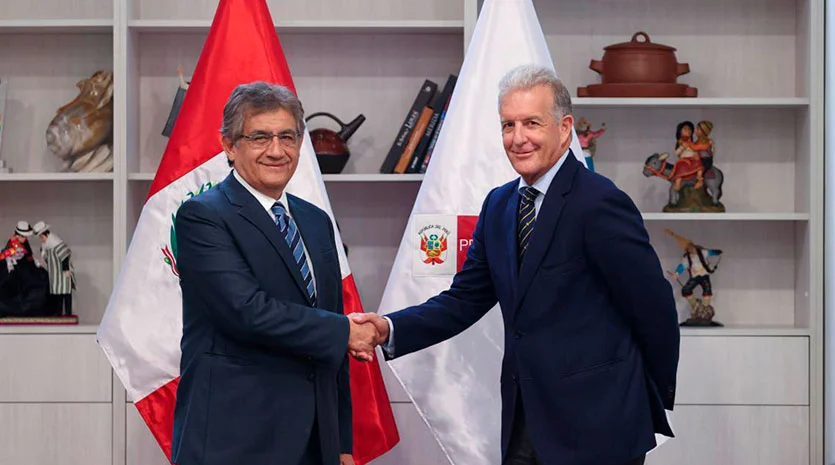
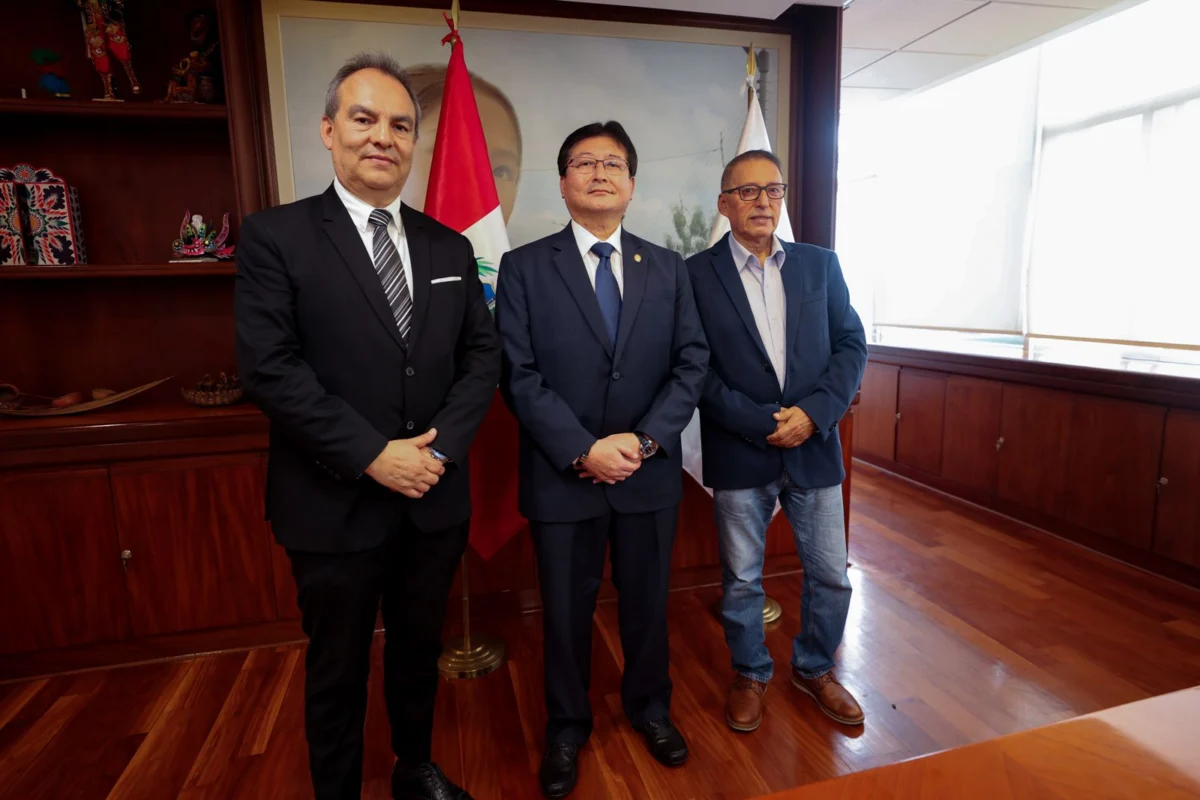
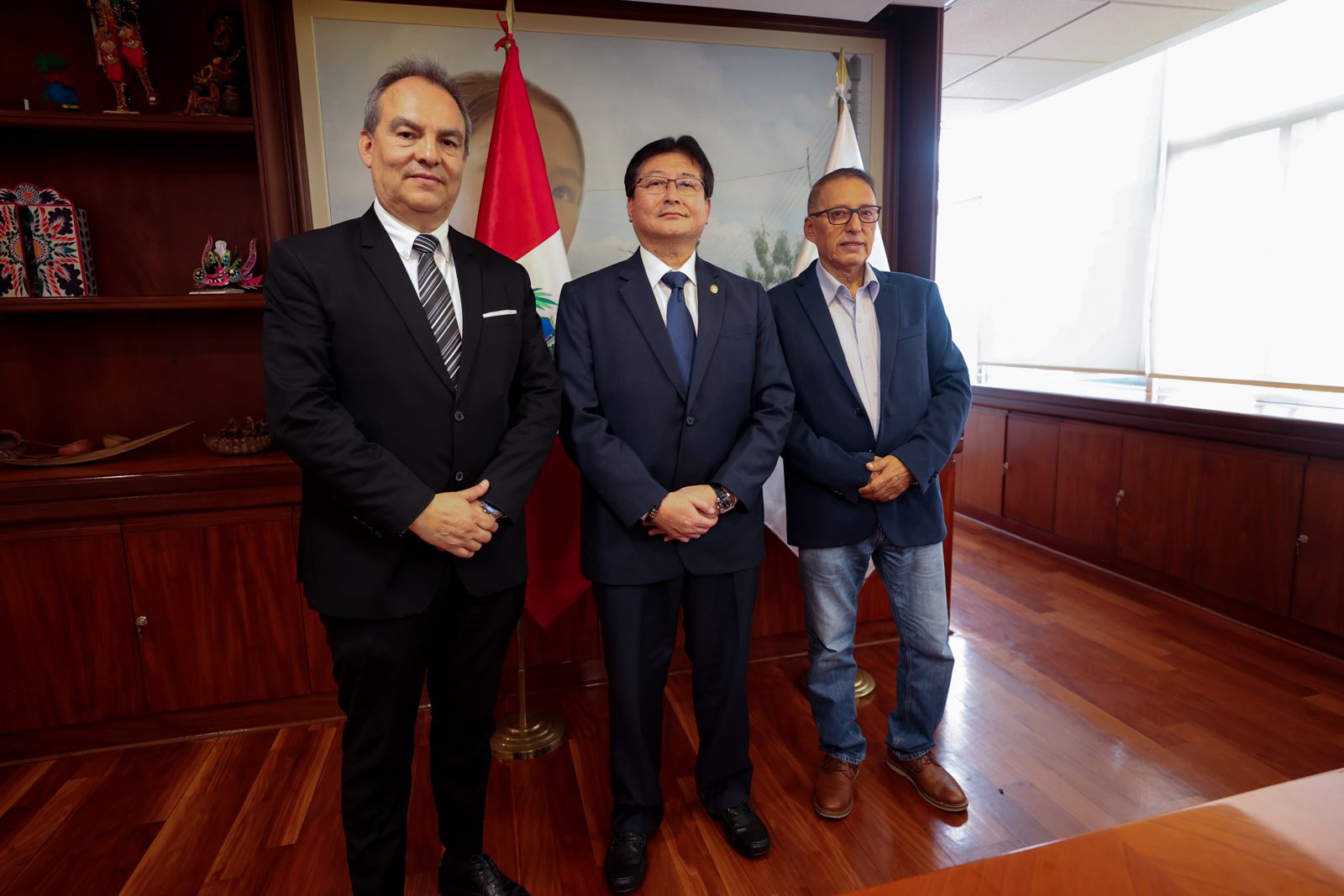
In a decisive move to secure the energy sovereignty of the Peruvian Amazon and its surrounding regions, the Ministry of Energy and Mines (MINEM) has initiated a sweeping organizational and operational restructuring of Electro Oriente. The announcement followed a high-level summit between the Minister of Energy and Mines, Guillermo Shinno, and the President of the Board of Directors of Electro Oriente, Bartolomé Cuevas.
The mandate is clear: modernize the state-owned utility, fortify its operational resilience, and guarantee a seamless, reliable power supply for the vital concession regions of Loreto, San Martín, Amazonas, and parts of Cajamarca. This intervention comes at a critical juncture, as the rapid growth in regional demand has pushed existing infrastructure to its limits, necessitating an immediate and systematic overhaul.
The Mandate: Strengthening the Operational Backbone
The meeting between Minister Shinno and Bartolomé Cuevas marked a shift from reactive maintenance to proactive management. The central tenet of their discussion was the implementation of a comprehensive restructuring plan designed to transform Electro Oriente into a leaner, more efficient organization.
By fostering a competitive internal culture and streamlining decision-making processes, the ministry aims to address the chronic challenges that have hindered service delivery. This restructuring is not merely administrative; it is an infrastructure-heavy strategy intended to meet the evolving energy needs of populations that are often geographically isolated and environmentally vulnerable.
Chronology of the Crisis and Resolution
The current initiative is the culmination of months of assessment regarding the reliability of the electrical grid in the jungle regions.
- Q1-Q2 2026: Escalating reports of power instability in Iquitos and parts of the San Martín region signaled that the grid was struggling to keep pace with the region’s economic and demographic expansion.
- Early Q3 2026: MINEM conducted a series of audits to evaluate the technical capacity of Electro Oriente’s generation and transmission assets.
- September 2026: The official meeting between Minister Shinno and Bartolomé Cuevas was convened to finalize the "Immediate Action Protocol," which serves as the blueprint for the current reorganization.
- Present Day: The implementation phase has begun, focusing on immediate capacity procurement and long-term grid hardening.
Technical Specifications: Bridging the Capacity Gap
To prevent potential brownouts and support regional growth, Electro Oriente has outlined a multi-tiered technical strategy focused on increasing megawatt (MW) capacity in the most critical zones.
The Iquitos Expansion
Iquitos, as a key urban center, remains a primary focus of the recovery plan. Electro Oriente has committed to securing an additional 9 MW of power in the immediate term. This injection is designed to alleviate the pressure on existing facilities and provide a buffer for peak-load periods.
Furthermore, a large-scale repowering project is underway. By refurbishing and upgrading existing generation units, the utility projects a total accumulated capacity of 32 MW by the end of December. This target is essential to satisfy the current and projected consumption needs of the local population and the industrial sectors supporting the regional economy.
Stability in San Martín
The San Martín region faces unique challenges related to topography and grid connectivity. To mitigate these, Electro Oriente will prioritize the procurement of 6.2 MW of additional capacity. This infusion will serve a dual purpose: meeting the growing demand and stabilizing the existing transmission system, which has been prone to fluctuations.
Infrastructure Hardening and Risk Mitigation
A significant portion of the ministerial directive addresses the "clearing of servitude strips"—the areas of land surrounding high-voltage transmission lines. In sectors such as Lamas and the Bajo Huallaga, the encroachment of dense tropical vegetation has been a primary cause of power outages.
By accelerating the clearing of these rights-of-way, Electro Oriente intends to:
- Reduce Fire Hazards: Creating firebreaks prevents forest fires from compromising transmission infrastructure.
- Mitigate Weather Impacts: By removing overhanging branches and unstable trees, the utility reduces the risk of falling debris during the severe windstorms common to the Amazon.
- Ensure Maintenance Access: Cleared strips allow for rapid response and easier inspections, significantly reducing the Mean Time to Repair (MTTR) during grid failures.
Official Responses and Ministerial Oversight
Minister Guillermo Shinno has been unequivocal in his stance regarding the accountability of state-run entities. During the briefing, he underscored that the government’s role is not just to provide capital, but to ensure that the management of that capital results in tangible benefits for the public.
"The goal is a service that citizens can trust," Shinno remarked. "We are moving away from a model of crisis management toward a model of operational reliability. Electro Oriente must evolve into a modern, responsive utility that understands its critical role in the development of the Amazonian regions."
The MINEM has established a permanent monitoring committee to track the progress of these initiatives. This body will conduct monthly reviews to ensure that procurement deadlines for the 9 MW and 6.2 MW expansions are met and that the organizational restructuring follows the established timeline.
Broader Implications: Energy as a Catalyst for Growth
The implications of this intervention extend beyond simple electricity provision. In regions like Loreto and Amazonas, the cost and reliability of energy are direct determinants of the feasibility of local businesses, schools, and healthcare facilities.
Economic Impact
Reliable electricity is the bedrock of regional development. For Iquitos, which functions as an isolated economic hub, the ability to ensure stable power is vital for attracting investment. By stabilizing the grid, the government is creating a more predictable environment for commerce, tourism, and logistics.
Environmental Stewardship
The focus on "clearing servitude strips" also demonstrates a nuanced understanding of the Amazonian environment. By preventing uncontrolled forest fires and maintaining lines effectively, the utility is performing a dual service: protecting the electrical grid and contributing to the conservation of the surrounding ecosystem.
Governance and Transparency
This restructuring serves as a litmus test for the effectiveness of state-owned enterprises in Peru. If successful, the model of "aggressive restructuring combined with technical capacity building" could serve as a blueprint for other regional utilities struggling with legacy infrastructure and bureaucratic inertia.
Future Outlook: A Sustained Commitment
The path forward for Electro Oriente is one of rigorous reform. The cooperation between MINEM and the utility’s leadership marks a departure from historical delays in infrastructure maintenance. While the immediate goal is the 32 MW capacity by year-end, the long-term vision is the creation of a digitized, resilient, and highly efficient energy grid.
As the implementation phase continues through the final quarter of 2026, all eyes will be on the progress in Lamas and the Bajo Huallaga. The success of these initiatives will be measured not only by the number of megawatts added but by the reduction in service interruptions reported by the citizens of the Amazon.
The Ministry of Energy and Mines has signaled that it will maintain a vigilant oversight role, ensuring that the necessary resources are deployed where they are needed most. For the residents of Loreto, San Martín, and beyond, this represents a promise of a more secure and energized future, backed by the full weight of the national government’s commitment to regional equity.
In conclusion, the partnership between MINEM and Electro Oriente is a testament to the fact that infrastructure is not just about wires and turbines; it is about the fundamental promise of service to the population. As the country moves into 2027, the results of this intervention will likely shape the discourse on energy management in Peru for years to come.