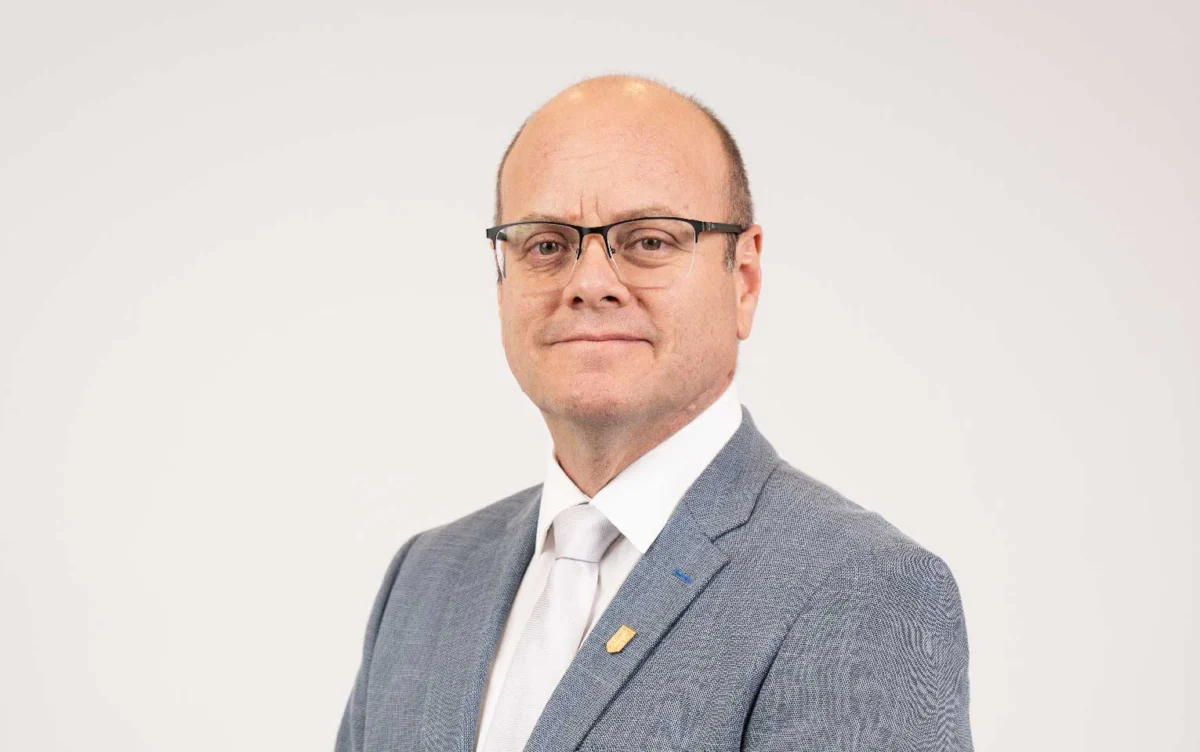
Lima, Peru – While Peru possesses abundant mineral wealth and a burgeoning global demand for key commodities like copper, the true challenge lies not merely in attracting new mining investments, but in ensuring these ventures translate into tangible development and a significantly improved quality of life for its citizens. This is the central thesis articulated by Juan Carlos Ortiz, President of the Institute of Mining Engineers of Peru (IIMP).
In a recent opinion piece published in "Semáforo Minero," Ortiz underscored that the nation’s capacity to generate substantial new investments is evident in projects like Coroccohuayco in Cusco. This initiative, already benefiting from existing infrastructure, operational experience, and deep-rooted local knowledge, exemplifies how expansion can leverage current mining activities. The Coroccohuayco project, with an estimated investment nearing US$1.8 billion, has the potential to extend the lifespan of mining operations linked to Antapaccay in the Espinar province for over a quarter of a century.
"This represents investment, copper production, job creation, and opportunities for suppliers," Ortiz stated. "But it also signifies the possibility of sustaining economic activity for decades, generating crucial resources for the region and the nation as a whole." He emphasized that capitalizing on such opportunities is paramount for Peru to meet the escalating global demand for copper, a demand projected to continue its upward trajectory in the coming years.
However, Ortiz cautioned that securing long-term investments necessitates an environment of predictability, clear regulatory frameworks, efficient administrative processes, and a government capable of supporting responsible investment while upholding stringent environmental and social standards. He argued that discussions surrounding mining must transcend mere investment figures or the revenue streams directed to local territories. The ultimate objective, he stressed, is to ensure that mineral wealth is effectively converted into a better quality of life for the population.
The Multi-faceted Impact of Responsible Mining
Beyond generating employment, investment, and fiscal contributions through taxes and royalties (canon and regalías), Ortiz detailed how mining can be a catalyst for enhancing essential public services. These include improvements in water and sanitation infrastructure, advancements in education and healthcare, and the development of vital infrastructure. Furthermore, mining operations can significantly broaden economic opportunities within the regions where they are situated.
To achieve this transformative potential, Ortiz advocated for strengthening the capacities of regional and local governments. He also highlighted the importance of promoting mechanisms such as "Obras por Impuestos" (Works for Taxes), a program that allows private companies to finance public works in exchange for tax credits, and fostering the development of local suppliers and skilled labor. These strategic tools, he believes, are instrumental in ensuring that the presence of mining leaves a lasting legacy that extends far beyond the operational life of any given mine.
Building Trust Through Robust Institutions
Ortiz also placed significant emphasis on the preservation of institutional integrity as a cornerstone for sustaining mining investment. Addressing recent controversies surrounding the work plan of the Energy and Mines Commission, he asserted that any proposals related to the mining sector must respect institutional competencies and be grounded in sound technical criteria.
"It is positive that the observations made have allowed for the correction of questionable aspects of the document," he noted, underscoring the critical role of Congress in oversight and legislation. However, he cautioned that this role must be exercised in a manner that safeguards legal certainty and cultivates the essential trust required for investment.
Ultimately, the President of the IIMP concluded that Peru is endowed with substantial mineral resources, operates large-scale mining projects, and is presented with a compelling international market opportunity. The overarching challenge, he reiterated, is to convert this inherent potential into new, sustainable investments while concurrently ensuring that the benefits derived from these ventures translate directly into meaningful development for its citizens.
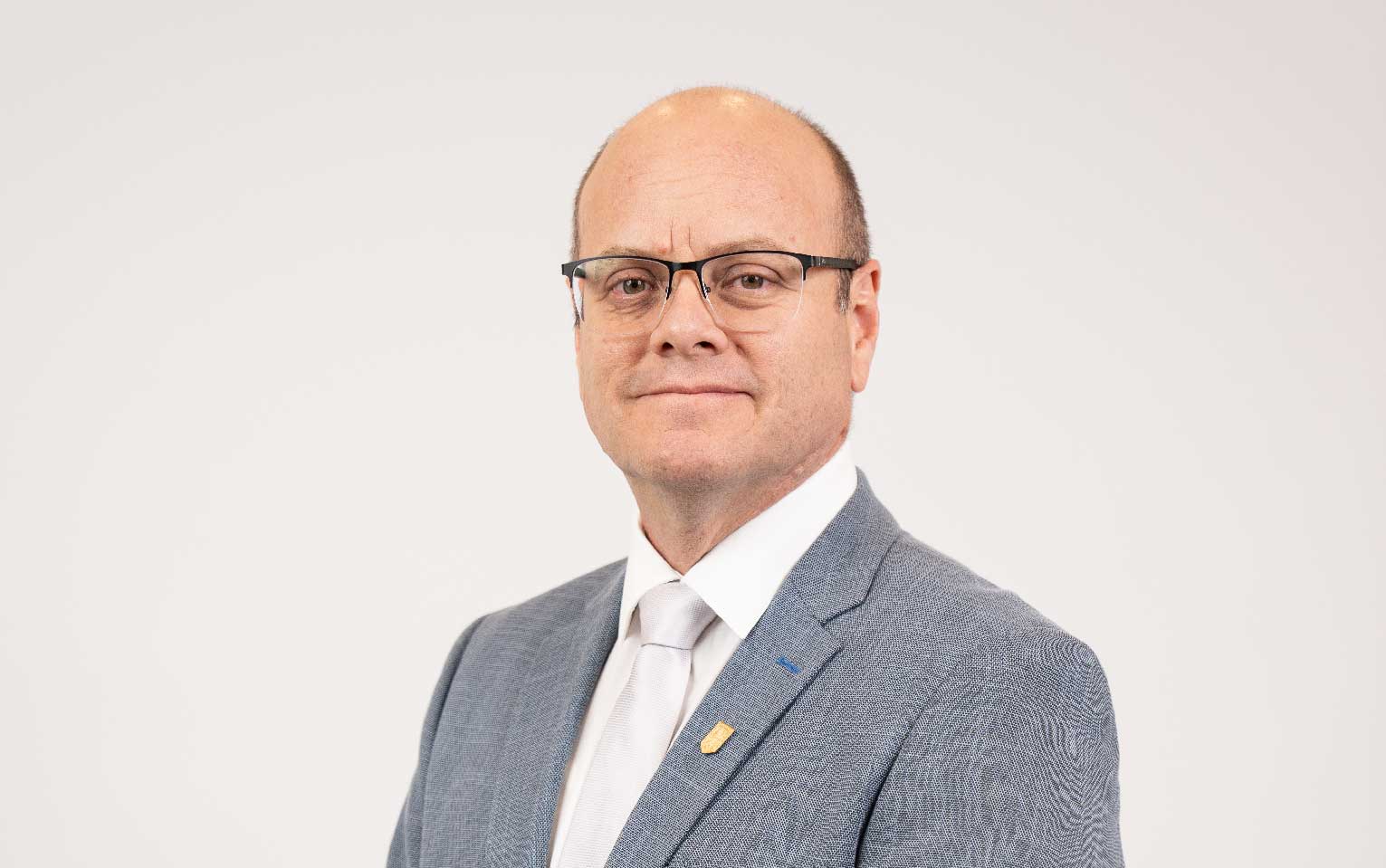
"We need projects that advance, territories that progress, and strong institutions that foster trust. This is the mining sector we must build for the coming decades," Ortiz concluded, painting a vision of a mining industry that is not only economically productive but also a powerful engine for societal well-being and sustainable growth in Peru.
The Strategic Imperative: Attracting and Maximizing Mining Investments
Peru, a nation richly endowed with mineral resources, stands at a critical juncture where its vast potential for mining investment must be strategically harnessed to drive sustainable national development. Juan Carlos Ortiz, President of the Institute of Mining Engineers of Peru (IIMP), articulated this sentiment, emphasizing that the initial attraction of new mining ventures is merely the prelude to a far more complex and consequential challenge: ensuring that the economic dividends generated by this sector translate into tangible improvements in the quality of life for the Peruvian population.
Ortiz’s perspective, detailed in his contribution to "Semáforo Minero," highlights a nuanced understanding of the mining industry’s role. He posits that the true measure of success lies not solely in the volume of investment or the extraction of valuable minerals, but in the equitable distribution of benefits and the creation of lasting positive impacts on society and the environment.
Coroccohuayco: A Model for Future Investment
A prime example illustrating Peru’s capacity to generate significant new investments is the Coroccohuayco project located in Cusco. This initiative exemplifies how expansion can be seamlessly integrated into existing mining operations, leveraging established infrastructure, accumulated operational expertise, and a deep understanding of the local landscape. The Coroccohuayco project is poised to represent a substantial investment of approximately US$1.8 billion. Its potential impact is far-reaching, with the possibility of extending the operational life of mining activities associated with Antapaccay in the Espinar province for over twenty-five years.
"This represents not only substantial investment, but also a significant contribution to copper production, the creation of employment opportunities, and the expansion of business for suppliers," Ortiz stated. He further elaborated on the broader economic implications: "Beyond these immediate benefits, it offers the prospect of sustaining a robust economic activity for decades, thereby generating vital resources for both the region and the nation as a whole." This forward-looking perspective underscores the long-term strategic value of such projects.
Global Demand and the Need for a Stable Investment Climate
The IIMP President underscored that seizing these opportunities is crucial for Peru to effectively respond to the escalating global demand for copper. Projections indicate a continuous upward trend in this demand for the foreseeable future, positioning Peru to play a pivotal role in meeting international needs. However, Ortiz issued a critical caveat: the realization of these long-term investment goals is contingent upon the establishment and maintenance of a stable and predictable investment climate.
He stressed the necessity of clear regulatory frameworks, efficient administrative processes, and a governmental apparatus that is not only capable of facilitating responsible investment but also committed to upholding rigorous environmental and social standards. This interconnectedness between regulatory stability, operational integrity, and social responsibility is, in Ortiz’s view, the bedrock upon which sustainable mining development must be built.
Beyond Economics: Translating Wealth into Well-being
Ortiz’s central argument revolves around the imperative to move the discourse on mining beyond purely economic metrics. He advocates for a paradigm shift where the discussion transcends the quantum of investment or the quantum of revenue received by local territories. "The ultimate objective," he affirmed, "is to ensure that mineral wealth is effectively translated into a better quality of life for the population."
This vision entails a multifaceted approach. Ortiz explained that beyond direct job creation, investment infusion, and fiscal contributions through canon and royalties, mining activities possess the inherent potential to significantly enhance essential public services. These include, but are not limited to, improvements in water and sanitation systems, advancements in educational and healthcare facilities, and the development of critical infrastructure. Moreover, mining operations can serve as powerful engines for broadening economic opportunities within the regions where they are situated, fostering a more diversified and resilient local economy.
To fully realize this potential, Ortiz identified key strategic priorities. He emphasized the need to bolster the capacities of regional and local governments, thereby empowering them to effectively manage and leverage the benefits of mining. He also advocated for the promotion and refinement of mechanisms like "Obras por Impuestos" (Works for Taxes), which facilitates the co-financing of public works by private entities. Crucially, he highlighted the importance of nurturing the development of local suppliers and building a skilled local workforce. These targeted interventions, he posited, are essential for ensuring that the presence of mining leaves an enduring and positive legacy that extends well beyond the operational lifespan of any mining project.
H2: Fostering Confidence Through Institutional Strength and Predictability
The success of attracting and sustaining mining investments in Peru is inextricably linked to the strength and reliability of its institutional framework. Juan Carlos Ortiz, President of the Institute of Mining Engineers of Peru (IIMP), has unequivocally underscored the critical importance of preserving this institutional integrity. His recent pronouncements, particularly in light of recent controversies surrounding the work plan of the Energy and Mines Commission, serve as a vital reminder of the foundational principles that underpin a healthy investment climate.
H3: Respecting Competencies and Technical Rigor
Ortiz’s remarks strongly advocate for any proposals concerning the mining sector to adhere strictly to established institutional competencies and to be rigorously substantiated by technical criteria. This principle is paramount in ensuring that policy decisions are informed, evidence-based, and serve the best interests of the nation’s long-term development. The IIMP President expressed satisfaction that initial concerns raised have led to necessary corrections within relevant documents.
"It is positive that the observations formulated have allowed for the correction of questionable aspects of the document," Ortiz stated. This sentiment highlights the value of constructive dialogue and oversight in shaping sound policy. He further elaborated on the role of the legislative branch, emphasizing that while Congress holds a fundamental responsibility for oversight and legislation, this power must be exercised with a deep respect for legal certainty and the cultivation of the trust that is indispensable for attracting and retaining investment. The assurance of a stable legal and regulatory environment is not merely a matter of good governance; it is a prerequisite for the sustained flow of capital into the vital mining sector.
H3: The Interplay of Legal Certainty and Investor Confidence
The concept of legal certainty is central to Ortiz’s argument. Investors, both domestic and international, require the assurance that the rules of the game will not change arbitrarily or retroactively. Fluctuations in policy, unpredictable regulatory changes, or the erosion of established legal frameworks can significantly dampen investor enthusiasm, leading to the divestment of capital or the redirection of investments to more stable jurisdictions.
Ortiz’s call for preserving institutional integrity is, therefore, a direct appeal for a predictable and stable operating environment. This includes transparent processes, impartial application of laws, and a commitment to upholding contractual obligations. When these conditions are met, Peru becomes a more attractive destination for the substantial capital required for large-scale mining projects. This, in turn, fuels economic growth, generates employment, and provides the resources necessary for national development.
H3: Building a Foundation for Long-Term Mining Success
The IIMP President’s overarching message is one of strategic foresight. He asserts that Peru is fortunate to possess abundant mineral resources, a robust ecosystem of large-scale mining operations, and a favorable international market context. However, he cautions that these advantages, while significant, are not self-sustaining. The critical task, as articulated by Ortiz, is to effectively translate this inherent potential into new, impactful investments.
Simultaneously, and of equal importance, is the imperative to ensure that the benefits derived from these investments are equitably distributed and demonstrably contribute to the progress and well-being of Peruvian citizens. This dual focus – on attracting investment and ensuring its societal benefit – is the hallmark of responsible and sustainable mining development.
Ortiz concludes with a powerful and forward-looking vision: "We need projects that advance, territories that progress, and strong institutions that foster trust. This is the mining sector we must build for the coming decades." This statement encapsulates a holistic approach to mining, one that prioritizes not only economic output but also the creation of a stable, predictable, and trustworthy environment conducive to long-term prosperity and improved quality of life for all Peruvians. The path forward, as he outlines, lies in the synergistic development of robust projects, thriving regions, and unshakeable institutional confidence.