Executive Summary: A New Chapter in International Cooperation
In a decisive move to address the chronic infrastructure deficit in the Peruvian water and sanitation sector, the Minister of Housing, Construction, and Sanitation, Mauricio Arnillas, convened a high-level working session with the Ambassador of Italy to Peru, Massimiliano Mazzanti. The meeting, held in Lima, served as a platform to formalize a collaborative framework aimed at leveraging Italian technological expertise and capital investment to accelerate the closure of critical gaps in public services.
This strategic alignment comes at a pivotal moment for Peru, as the Ministry seeks to modernize its hydraulic infrastructure. The discussions centered on both immediate urban needs, such as the water crisis in Lima Norte, and long-term investment mechanisms, including "Obras por Impuestos" (Works for Taxes), designed to incentivize private sector participation in public utility projects.
The Core Objectives of the Bilateral Dialogue
The meeting between Minister Arnillas and Ambassador Mazzanti was not merely a diplomatic courtesy; it was a tactical engagement intended to catalyze tangible results. The primary focus areas identified during the dialogue included:
- Technological Exchange: Integrating Italian expertise in water treatment, distribution efficiency, and sustainable urban management into the Peruvian landscape.
- Infrastructure Scaling: Addressing the urgent need for water and sanitation services in rapidly growing peri-urban areas.
- Financial Innovation: Utilizing international cooperation to de-risk investment projects, making them more attractive to Italian engineering and construction conglomerates.
- Closing Social Gaps: Prioritizing projects that provide immediate relief to underserved populations, aligning with the government’s broader mandate of social inclusion.
Chronology of Collaborative Efforts
While this specific meeting marks a significant milestone, it represents the continuation of a long-standing relationship between the two nations.

- Pre-2026 Phase: Initial technical discussions were held at the ministerial level regarding the potential for European-backed water projects in Latin America.
- Early September 2026: Formal preparation for the high-level meeting took place, involving technical teams from both the Ministry of Housing and the Italian Embassy to scope out viable project sites.
- The September 2026 Summit: Minister Arnillas and Ambassador Mazzanti met to review a portfolio of potential projects, most notably the proposed construction of 28 deep-water wells in Northern Lima.
- Next Steps: The Ministry has committed to drafting a comprehensive roadmap that outlines the regulatory requirements and public-private partnership (PPP) structures needed to bring these projects to fruition by the end of the fiscal year.
The Lima Norte Initiative: A Technical Deep-Dive
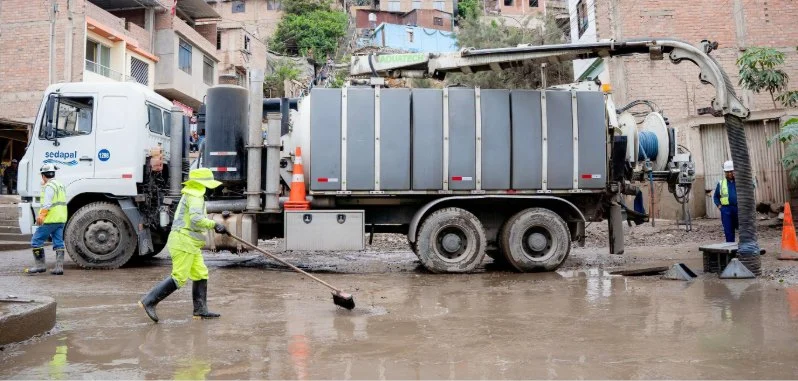
One of the most concrete outcomes of the meeting was the proposal for a specialized infrastructure project in Lima Norte. This region has seen explosive demographic growth over the past decade, placing an unsustainable strain on existing water networks.
Technical Specifications
The proposed project involves the drilling and commissioning of 28 high-capacity wells. These are designed to:
- Augment Supply: Increase the daily yield of potable water for local districts, reducing reliance on expensive and inefficient water trucking services.
- Modernize Distribution: Integrate smart monitoring systems—an area where Italian firms hold global leadership—to track water quality and detect leakage in real-time.
- Environmental Sustainability: The projects will prioritize sustainable extraction techniques to ensure the longevity of the aquifers, preventing the saltwater intrusion and soil subsidence risks associated with over-pumping.
Financial Mechanisms: Incentivizing Italian Investment
A significant portion of the dialogue was dedicated to the financial structuring of these projects. Minister Arnillas emphasized the efficacy of the "Obras por Impuestos" (OXI) mechanism.
Understanding Obras por Impuestos
OXI allows private companies to partner with the government to execute public works in exchange for tax credits. For Italian firms looking to enter the Peruvian market, this provides a transparent and legally protected pathway for investment. By utilizing this model, the Ministry aims to bypass traditional bureaucratic bottlenecks, ensuring that funds are allocated directly to construction and engineering outputs rather than being tied up in administrative delays.

Ambassador Mazzanti expressed optimism regarding the interest of Italian corporations in this model, citing their experience in similar infrastructure projects throughout the Mediterranean and North Africa.
Supporting Data: The Magnitude of the Gap
The necessity for this collaboration is underscored by the current state of water and sanitation infrastructure in Peru. According to data from the Ministry of Housing, Construction, and Sanitation:
- Coverage Disparities: While urban coverage is relatively high, the quality and continuity of service remain uneven. Thousands of households in the periphery of metropolitan areas still lack 24-hour access to piped water.
- Investment Requirements: To reach universal coverage by 2030, Peru requires billions of dollars in capital expenditure, much of which must come from international partners and private sector entities.
- Efficiency Metrics: Non-revenue water (NRW)—the water lost due to leaks or illegal connections—remains a critical efficiency hurdle. Italian water management systems are expected to help reduce these losses, thereby increasing the financial viability of water utility providers.
Official Responses and Strategic Outlook
Ministry Perspective
Minister Arnillas highlighted the importance of global partnerships, stating: "The integration of international best practices is not optional; it is essential for the rapid modernization of our national infrastructure. Italy’s experience in water resource management is world-class, and we are committed to providing the legal certainty required to ensure their long-term participation in our development."
Diplomatic Perspective
Ambassador Mazzanti noted that the relationship between Italy and Peru is built on historical and cultural synergy, which now finds a new dimension in sustainable infrastructure. He remarked that Italy views Peru as a stable and growing market for its construction and engineering sector, particularly as the country pivots toward greener and more efficient public works.

Broad Implications: Economic and Social Impacts
The partnership between the Peruvian Ministry and the Italian government has implications that extend far beyond the construction of wells.
Economic Impact
- Job Creation: The mobilization of large-scale infrastructure projects will generate thousands of direct and indirect jobs, from civil engineering and hydrogeology to logistics and material supply.
- Market Competition: The entry of high-tier Italian firms will drive healthy competition within the local construction market, potentially lowering costs and raising quality standards across the industry.
- Foreign Direct Investment (FDI): Successful execution of these projects will signal to the global market that Peru is an open and capable partner for international infrastructure investment.
Social Impact
- Public Health: Consistent access to potable water is the most significant factor in reducing waterborne diseases in low-income populations.
- Gender Equality: In many peri-urban areas, the burden of water collection falls primarily on women and children. Improving piped access directly contributes to the liberation of time for education and economic activity.
- Urban Stability: Reliable infrastructure fosters trust in governmental institutions and reduces the social friction caused by the neglect of basic human needs.
Conclusion: A Model for Future Cooperation
The meeting between Minister Arnillas and Ambassador Mazzanti is a textbook example of how diplomatic channels can be utilized to resolve urgent domestic policy challenges. By aligning the specific engineering needs of Peru with the industrial capabilities of Italy, both parties have set a precedent for future international cooperation.
As the implementation phase approaches, the focus will shift to the formal bidding processes and the drafting of technical agreements. If successful, the 28-well project in Lima Norte will serve as the flagship for a broader initiative to rehabilitate the water infrastructure of the nation. The international community, and specifically the construction sector, will be watching closely as these agreements transition from the negotiating table to the field.
The Ministry of Housing, Construction, and Sanitation remains steadfast in its goal: to turn the tide on water scarcity through innovation, collaboration, and a relentless pursuit of infrastructure excellence. Through this bridge between Rome and Lima, the promise of universal access to water is becoming an increasingly attainable reality for the citizens of Peru.