
The Peruvian economy is bracing for a period of significant volatility as the Ministry of Economy and Finance (MEF) confirms that the aggressive onset of the El Niño climate phenomenon has begun to erode national productivity. Government projections, once optimistic about reaching a 4% growth threshold for the current fiscal year, have been tempered by the reality of sectoral recessions. Officials now warn that the country must navigate a precarious landscape defined by climate-induced instability and shifting global economic variables.
Main Facts: A Growth Ceiling Defined by Climate
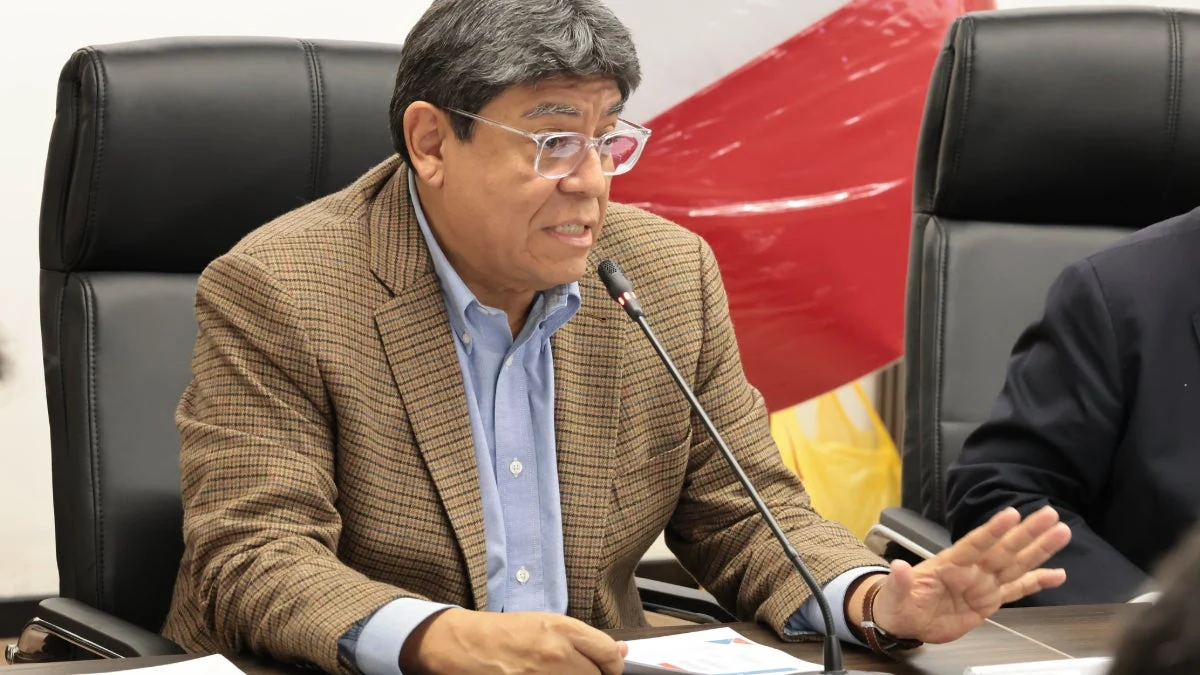
The Minister of Economy and Finance, Elmer Cuba, appearing before the Senate’s Economic Commission, delivered a sobering assessment of the national outlook. According to the Minister, the current manifestation of El Niño is of a magnitude not witnessed in over half a century. Unlike milder iterations of the cycle, this "strong" event has permeated the core of Peru’s productive base, causing immediate and measurable damage.
"It will not be possible to surpass 4% economic growth this year," Minister Cuba stated. The minister emphasized that the climate shock is not merely a potential threat but a current reality, with primary industries already operating within a recessionary framework. This realization marks a pivot in government strategy, moving from a growth-oriented narrative to one of crisis management and financial mitigation for the hardest-hit sectors.
Chronology: The Progressive Deterioration of Key Sectors
The impact of El Niño on the Peruvian economy can be tracked through the sequential performance of its primary sectors during the first half of the year.
- Q1 – Early Indicators: The initial months of the year signaled distress in coastal waters and agricultural zones. Rising sea temperatures began to alter marine ecosystems, forcing the fishing industry into a defensive posture.
- Q2 – Deepening Recession: By mid-year, the data provided by the National Institute of Statistics and Informatics (INEI) confirmed a sharp contraction. The fishing sector experienced a cumulative decline of 31% in the first semester, with a devastating drop of 73% in June alone.
- Mid-Year Agricultural Slump: Simultaneously, the agricultural sector, vital for both domestic consumption and export, saw a 8% decline in June. While the sector maintained a marginal cumulative growth of 0.6% for the first half of the year, the trend line suggests significant losses ahead.
- Industrial Fallout: The textile sector has also suffered, with a 20% monthly contraction in garment manufacturing. This ripple effect highlights how supply chain disruptions caused by climate change extend beyond natural resources into processed goods and labor-intensive manufacturing.
Supporting Data: An Analytical Breakdown
The severity of the situation is quantified by the stark divergence between early-year expectations and mid-year outcomes. The INEI’s data serves as the backbone for the Ministry’s revised outlook.
The Fishing Crisis
The fishing sector represents the most dramatic casualty of the climate event. The warming of the Pacific waters has driven away schools of anchoveta and other key species, forcing fleets to remain docked. With five out of six months in the first semester showing negative growth, the sector is effectively experiencing a profound structural crisis.
Agricultural and Textile Vulnerabilities
The agricultural sector’s struggle is twofold: unpredictable rainfall patterns—alternating between extreme drought and catastrophic flooding—have compromised harvest cycles. Meanwhile, the textile industry, which relies on the stability of agricultural inputs (like cotton) and consistent demand, has seen a sharp decline in domestic and international orders. The 20% drop in garment manufacturing indicates a cooling of consumer demand and a disruption in the flow of raw materials.
Official Responses: Strategies for Resilience
In response to the economic contraction, the MEF is spearheading an aggressive intervention strategy designed to provide liquidity and financial breathing room to the sectors most impacted by the climate emergency.
Expanding Emergency Declarations
Minister Cuba announced that the government intends to extend "emergency status" to the textile sector. This move mirrors the protections already afforded to the fishing and agricultural sectors. By declaring an emergency, the state can activate specific mechanisms under the Superintendency of Banking, Insurance, and Private Pension Funds (SBS).
"The way to help them quickly is by increasing the SBS’s capacity to make credit more flexible," Cuba explained. The MEF is currently coordinating with the Ministry of Production to ensure that banks can integrate debt restructuring plans for these industries. This flexibility is essential to prevent a wave of bankruptcies that could lead to mass layoffs and further stifle economic recovery.
The Balancing Act: Industrial and Construction Offsets
Despite the gloom, the government maintains that the economy possesses inherent resilience. Minister Cuba noted that the industrial and construction sectors are showing favorable performance metrics. These sectors, often characterized by long-term investment cycles, have acted as a buffer against the volatility in the natural resource sectors. The MEF hopes that sustained infrastructure spending and industrial activity will mitigate the worst of the economic fallout.
Implications for the Future: A Long-Term Outlook
The government maintains a cautious growth projection of 3.4% for the current year and 2027. However, these figures are highly sensitive to exogenous and climate-related shocks.
The "El Niño" Risk Factor
The primary concern for the remainder of the year and the start of 2027 is the potential for the climate phenomenon to intensify. "If El Niño gets worse, we will likely face a fourth quarter of this year and a first quarter of next year with significantly lower growth," warned the Minister. The unpredictability of this climate cycle means that any fiscal planning is subject to constant revision.
Global Economic Pressures
Beyond the domestic climate crisis, Peru remains vulnerable to external shocks that could exacerbate local conditions:
- Energy Costs: A potential rise in international oil prices to $100 per barrel would place severe pressure on domestic transportation and manufacturing costs.
- Monetary Policy: Fluctuations in interest rates by global central banks, particularly the U.S. Federal Reserve, could impact the cost of credit for the Peruvian government and private enterprises.
- Inflationary Risks: The combination of supply-side shocks (due to crop failures and fishing losses) and potential energy price spikes presents a persistent risk of inflation, which would further erode household purchasing power and consumer confidence.
Conclusion: Navigating a Period of Uncertainty
The Peruvian economy is at a crossroads. While the government’s commitment to providing financial flexibility through the SBS and maintaining investment in construction provides a defensive shield, the sheer scale of the El Niño impact suggests that the road ahead will be arduous. The transition from a projected growth trajectory of over 4% to a more conservative 3.4% represents a significant recalibration of national ambition.
Success in the coming months will depend on two critical factors: the government’s ability to effectively deliver financial aid to distressed sectors without compromising fiscal stability, and the ability of the broader economy to withstand external inflationary pressures. As Peru looks toward 2027, the focus is clearly on stabilization—ensuring that the structural foundations of the economy remain intact until the climate cycle returns to a state of equilibrium. The administration’s call for caution is not merely a policy preference but a pragmatic necessity in an era of unprecedented environmental and economic volatility.