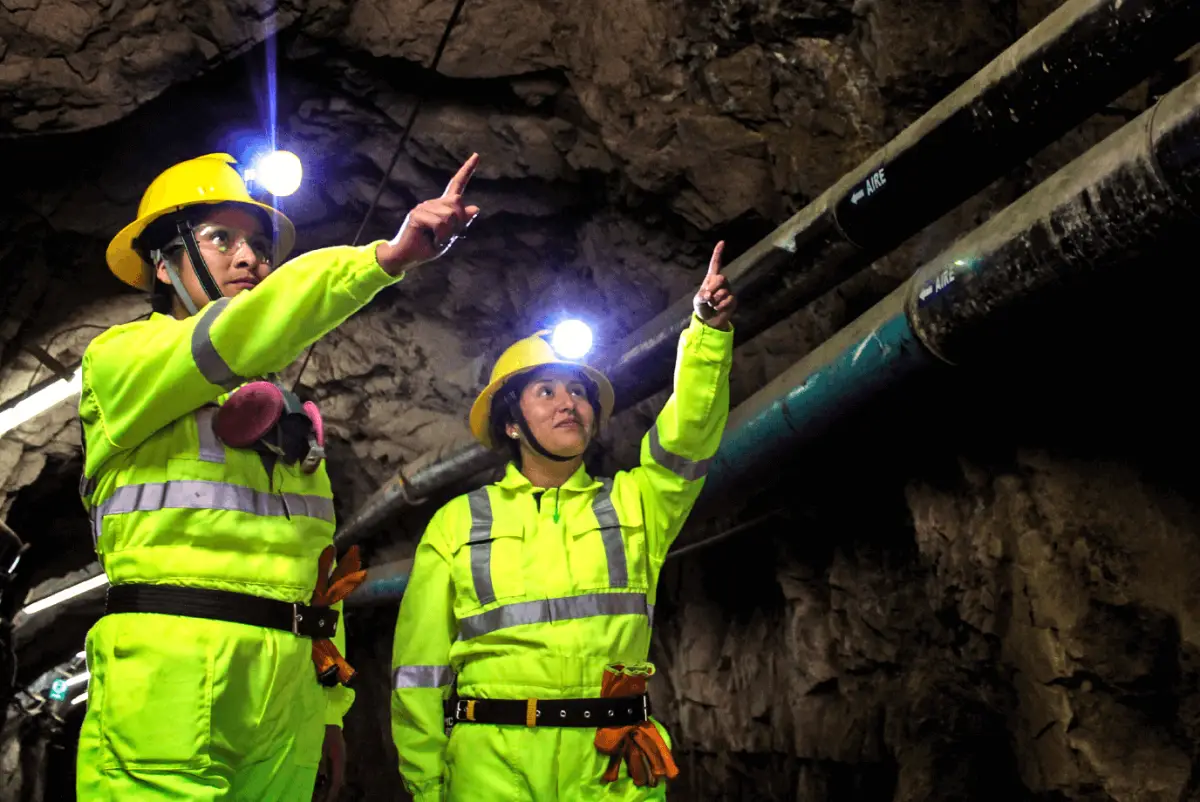
Lima, Peru – While Peru’s national economy navigated a modest growth of 2.6%, the nation’s powerful mining sector painted a more complex, regionally diverse picture in the latest economic assessment, as revealed by a comprehensive report from the National Institute of Statistics and Informatics (INEI). From the iron ore boom in Ica to the copper lifeline in Áncash and the hydrocarbon drag in Loreto, the INEI’s granular analysis unveils a mosaic of economic realities, with mining acting as both a potent engine of growth and, in some instances, a source of regional decline. This report delves into the intricate performance of key mining regions, examining the contributing factors, major players, and the broader implications for Peru’s economic landscape.
The Mining Divide: A Regional Economic Snapshot
The INEI’s findings underscore a stark contrast across Peru’s diverse regions, highlighting the significant influence of the mining and hydrocarbon sectors on their respective economic trajectories. While the national economy inched forward, individual regions experienced vastly different fortunes, largely dictated by the performance of their primary extractive industries.
- Ica: Witnessed an impressive 7.4% economic growth, its fourth consecutive quarter of expansion. This surge was predominantly fueled by iron ore production from the Marcona operations.
- Arequipa: Posted a robust 4.2% growth, marking its eighth consecutive quarter of expansion. Molybdenum was the star performer in this region’s mining landscape.
- Moquegua: Achieved a commendable 4.7% growth, driven by the manufacturing of precious and non-ferrous metals, particularly refined copper.
- Áncash: Presented a contradictory scenario, with its economy contracting by 2.5%. Despite this overall decline, the mining sector, particularly copper extraction, demonstrated significant expansion, acting as a crucial buffer against a more severe downturn.
- Tacna: Experienced the most significant economic contraction, plummeting by 15.5%, with mining playing a substantial, albeit negative, role in this decline.
- La Libertad: Saw a modest 2.8% growth, but its mining sector acted as a drag on overall economic performance.
- Loreto: Recorded a 2.9% economic contraction, primarily attributed to a decline in the hydrocarbon subsector.
- Lima: Experienced a 1.6% growth, with commerce as the main driver, but the mining activity in other regions indirectly contributed to this dynamism.
This regional disparity emphasizes the critical importance of the mining sector to Peru’s economic health, while also underscoring the need for diversification and robust policies to mitigate the impacts of commodity price volatility and operational challenges.
Ica: Iron Ore’s Resurgence Fuels Regional Boom
Ica stands out as a remarkable success story, with its economy surging by an impressive 7.4%, marking its fourth consecutive quarter of positive growth. The primary catalyst for this expansion has been the resurgence of iron ore production from the Marcona mining complex. This significant uptick is partly attributable to a base effect, following the temporary suspension of operations by Shougang Hierro Perú between May and June of the previous year. This operational pause created a favorable comparison for the current period’s output.
Beyond the base effect, Vista Gold’s increased gold production also contributed to the positive economic momentum in Ica. However, the region’s mining landscape is not without its complexities. Copper and silver output experienced a decline due to reduced operations by Marcobre and Nexa Resources Perú. Similarly, zinc and lead production also saw a downturn. Despite these individual dips, the formidable contribution of iron ore, driven by Shougang, was sufficient to propel the region’s economy to new heights.
Shougang Hierro Perú, the Chinese mining giant, has been at the center of significant developments, not all of them smooth. In April of the current year, ProInversión, Peru’s investment promotion agency, lodged a complaint alleging that Shougang personnel obstructed access to a concessioned area earmarked for the construction of a new port terminal in San Juan de Marcona. This ambitious project, valued at over US$400 million, represents a significant investment in infrastructure and logistics for the region. The reported obstruction highlights potential friction between major industrial players and government development initiatives, underscoring the complex interplay of private enterprise and public policy in Peru’s resource-rich territories.
Arequipa: Molybdenum’s Shine Brightens Regional Prospects
Arequipa has demonstrated sustained economic expansion, with a growth rate of 4.2% and eight consecutive quarters of growth. The star performer in its mining sector has been molybdenum. Cerro Verde, a major player in the region, reported favorable extraction volumes of this crucial metal. Complementing this, Buenaventura’s silver output from its Tambomayo mine also contributed positively, bolstered by improved ore grades.
While molybdenum and silver shone, other key metals such as copper, zinc, lead, and gold experienced a decrease in production. The success of Cerro Verde is not an isolated incident. In June, Freeport-McMoRan’s operations in Arequipa registered a striking 76.1% increase in molybdenum production compared to the same month in the previous year. This surge was primarily driven by a higher concentration of molybdenite in the processed ore blocks.
The financial implications of this enhanced production are substantial. In the second quarter, Cerro Verde’s net profit more than doubled, reaching US$501.5 million. This profitability is further amplified by the strong market performance of molybdenum, which was trading at US$31.5 per pound, nearly double the US$17.92 per pound recorded in the preceding year. This favorable market condition has cemented Cerro Verde’s position as one of the most efficient and profitable assets within Freeport-McMoRan’s global portfolio. The company’s strategic focus on optimizing its molybdenum output has clearly paid dividends, making it a cornerstone of Arequipa’s economic resilience.
Moquegua: Copper Refinement and Diversified Growth
Moquegua has achieved a healthy economic growth of 4.7%, propelled by its robust manufacturing sector, particularly in precious and non-ferrous metals. This growth is closely linked to increased production of refined copper. Alongside the mining sector’s contributions, the region’s fishing industry, specifically the processing of frozen fish, and the meat processing sector also played a significant role in bolstering the economic figures.
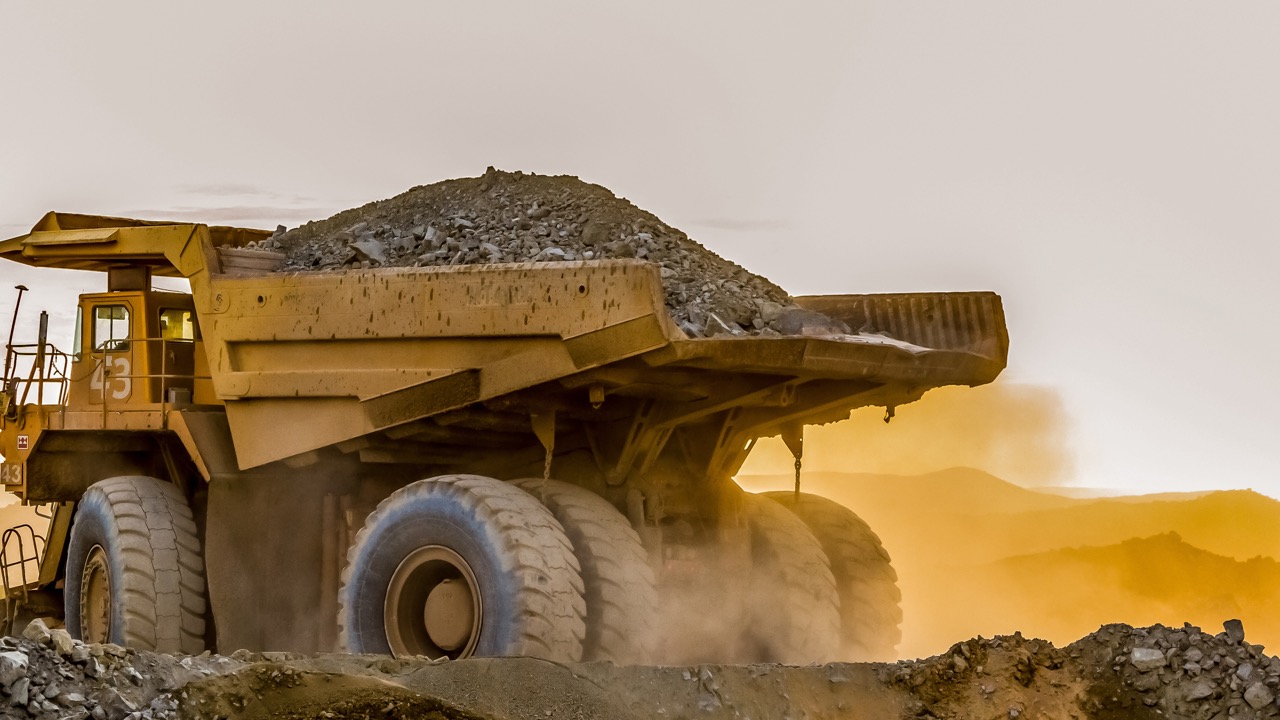
In terms of investment, Southern Peru Copper Corporation (SPCC) has been a key contributor in the first half of the year. The company has directed substantial disbursements towards the ongoing development of the Toquepala Accumulation 1 and the Botiflaca Concentrator Beneficiation Plant. These investments signal a long-term commitment to expanding and modernizing SPCC’s operational capacity.
However, SPCC’s own copper production has faced headwinds. The operations at Toquepala and Cuajone in Peru have experienced a 12% decline in quarterly production. This decrease is attributed to lower ore grades, a common challenge in mature mining operations. The company anticipates a reversal of this trend post-2027, contingent on improved mineral grades from its reserves. This strategic outlook highlights the cyclical nature of mining and the importance of sustained exploration and development to ensure future production levels.
Áncash: Mining’s Counterbalance Amidst Economic Contraction
Áncash presents a compellingly contradictory economic narrative. The region’s overall economy contracted by 2.5%, a decline largely driven by the fishing industry’s performance. The manufacturing of fishmeal and fish oil, a key sector for Áncash, was significantly impacted by adverse oceanic phenomena, such as abnormal ocean currents, and the implementation of sustainability measures for anchoveta stocks. This led to a sharp drop in the fishing sector’s contribution.
However, in stark contrast to the broader economic downturn, the mining sector in Áncash experienced substantial expansion. Key mining operations, including Antamina, Santa Luisa, and Norcobre, all reported increased copper extraction. Antamina, in particular, emerged as the undisputed leader in copper production. In May alone, Antamina produced an impressive 38,909 tons of copper, representing a remarkable year-on-year growth of 70.1%. This performance firmly established Antamina as the country’s leading copper producer, commanding a significant 19.2% share of the national output.
Áncash’s contribution to Peru’s copper output remains substantial, accounting for 19.6% of the national total. The resilience and growth of the mining sector acted as a vital counterbalance, mitigating what would have otherwise been a much deeper economic contraction for the region. This situation underscores the critical role of mining in Peru’s regional economies, providing stability and driving growth even when other sectors face significant challenges.
Tacna: A Dramatic Economic Downturn Steeped in Mining Volatility
Tacna’s economic performance in the reviewed period was exceptionally poor, with a staggering 15.5% contraction, representing the worst quarterly decline in the nation. The mining sector played a significant role in this dramatic downturn. Copper extraction plummeted, primarily due to lower ore grades at Southern Peru’s Toquepala mine. Production of molybdenum, gold, and silver also experienced a decline.
The region’s agricultural star, the olive, also failed to provide a much-needed boost, further exacerbating the economic woes. The only sector that registered growth was construction, which was sustained by public investment initiatives. While Tacna continues to hold its position as Peru’s primary molybdenum-producing region, its quarterly performance starkly illustrates the inherent volatility associated with the mining industry. This volatility, influenced by fluctuating commodity prices, declining ore grades, and operational challenges, can have profound and immediate impacts on regional economies heavily reliant on extractive industries. The stark figures from Tacna serve as a potent reminder of the risks associated with over-reliance on a single sector, especially one as inherently cyclical as mining.
La Libertad: Mining’s Dampening Effect on Growth
La Libertad experienced a modest economic growth of 2.8%, continuing its trend of four consecutive quarters of expansion. However, the mining sector acted as a significant drag on this growth. Reduced extraction of gold and silver tempered the positive momentum generated by the region’s strong agro-export sector, which includes significant production of avocados, sugarcane, grapes, and asparagus.
Furthermore, construction activities, driven by self-building and public works in areas like Bolívar, Chepén, and Pacasmayo, also contributed to the region’s economic performance. Despite being a significant gold-producing region, the volume of gold extracted during the reviewed quarter did not align with the overall economic growth expectations. This suggests that while mining remains a key industry in La Libertad, its performance in this specific period did not contribute positively to the region’s broader economic expansion, highlighting the need for consistent and robust production from its mining operations to fully leverage its potential.
Loreto: Hydrocarbons’ Decline Pulls Region Downward
Loreto presents a unique and challenging scenario. The region’s economy contracted by 2.9%, with the hydrocarbon subsector being the primary culprit. PetroTal Perú, a key player in the region, reduced its crude oil extraction from Lote 95, located in the Bretaña field. This reduction was attributed to the natural decline in production from existing wells.

However, PetroTal Perú has outlined plans to reverse this downward trend. Manolo Zúñiga, the company’s President and CEO, confirmed that the company anticipates resuming development well drilling from October of the current year. The plan includes drilling two new wells, with a continuous drilling campaign throughout 2027, aiming to surpass a daily production of 20,000 barrels. The delay in approving the environmental impact study modification for Lote 95, which took nearly three and a half years, significantly postponed crucial investments. As of May, PetroTal had accumulated over 32 million barrels of crude oil and maintained its position as Peru’s leading oil producer. This situation underscores the impact of regulatory processes and investment timelines on the performance of vital energy sectors.
Lima: Indirect Influence of Mining on Commercial Hub
Lima, the nation’s economic heartland, experienced a growth of 1.6%, with commerce serving as the primary engine. This sector benefited from robust sales of vehicles, fuels, and retail products. While mining is not explicitly highlighted as a direct driver of Lima’s growth in this report, the extractive activities in the supplying regions indirectly fuel the capital’s commercial dynamism. The flow of raw materials and the economic activity generated in mining-dependent regions contribute to the broader national economic ecosystem, which in turn supports Lima’s commercial sector. The capital’s economic performance, therefore, is intrinsically linked, albeit indirectly, to the health and productivity of Peru’s mining industry across the country.
Supporting Data and Key Performance Indicators
The INEI’s report provides a granular look at regional economic performance, with specific data points illuminating the impact of mining and other sectors. These figures serve as crucial indicators for understanding the complex interplay of economic forces at play within Peru.
| Region | Economic Growth (%) | Primary Drivers | Key Mining/Hydrocarbon Performance |
|---|---|---|---|
| Ica | 7.4% | Iron Ore, Gold | Iron Ore (Shougang Hierro Perú): Significant contribution, boosted by base effect. Gold (Vista Gold): Increased production. Copper/Silver (Marcobre, Nexa): Decreased operations. |
| Arequipa | 4.2% | Molybdenum, Silver | Molybdenum (Cerro Verde): Favorable volumes, 76.1% production jump (June). Silver (Buenaventura): Improved law grade. Copper, Zinc, Lead, Gold: Lowered output. |
| Moquegua | 4.7% | Refined Copper Manufacturing, Frozen Fish, Meat Processing | Copper Refinement: Increased elaboration. SPCC Copper Production (Toquepala, Cuajone): 12% quarterly drop due to lower grades, projected recovery post-2027. |
| Áncash | -2.5% | Copper | Copper (Antamina, Santa Luisa, Norcobre): Increased extraction. Antamina: 70.1% YoY copper growth (May), 38,909 tons produced, 19.2% national share. Total regional copper: 19.6%. |
| Tacna | -15.5% | Construction (Public Investment) | Copper (Southern Peru – Toquepala): Significant drop due to low ore grade. Molybdenum, Gold, Silver: Decreased output. |
| La Libertad | 2.8% | Agro-exports (Avocado, Sugarcane, Grape, Asparagus), Construction | Gold and Silver: Lower extraction volumes, dampening overall growth. |
| Loreto | -2.9% | Hydrocarbons (Oil) | Crude Oil (PetroTal Perú – Lote 95): Reduced exploitation due to natural decline. Plans for new wells and increased production by 2027. |
| Lima | 1.6% | Commerce (Vehicles, Fuels, Retail) | Indirect influence: Mining activity in other regions supports commercial dynamism. |
| National | 2.6% | Overall Economic Growth | Mining Sector: Significant regional driver, complex and varied performance. |
Official Responses and Future Outlook
The INEI’s report serves as a critical diagnostic tool for Peruvian policymakers, offering a detailed understanding of regional economic performance and the pivotal role of the extractive industries. While the report itself is a factual presentation of data, its implications are far-reaching, prompting consideration from various government bodies and industry stakeholders.
The Ministry of Energy and Mines (MINEM) consistently emphasizes its commitment to fostering responsible mining practices, promoting investment, and ensuring that the benefits of mining are equitably distributed across the nation. Following the release of such regional economic data, MINEM typically reiterates its focus on streamlining regulatory processes, improving environmental oversight, and encouraging social inclusion initiatives within mining communities. The report’s findings regarding specific operational challenges, such as those faced by Shougang in Ica or the delays in environmental approvals impacting PetroTal in Loreto, will likely prompt MINEM to review and potentially adjust its administrative and regulatory frameworks.
The Ministry of Economy and Finance (MEF) will undoubtedly analyze these figures to inform fiscal policy and macroeconomic planning. The strong performance of regions like Ica and Arequipa, largely driven by mining, reinforces the sector’s importance to Peru’s overall GDP and export revenue. Conversely, the contractions in Tacna and Loreto, exacerbated by mining or hydrocarbon-related issues, will necessitate targeted economic support and diversification strategies. The MEF’s focus will be on ensuring fiscal stability while also exploring avenues for long-term sustainable development that reduces reliance on volatile commodity prices.
Industry associations, such as the Peruvian Society of Mining, Oil, and Energy (SNMPE), will use the INEI’s data to advocate for policies that support continued investment and operational efficiency. They will likely highlight the successes in regions like Arequipa, where favorable market conditions and operational excellence have led to increased profits and production. Simultaneously, they will address the challenges highlighted, such as declining ore grades in Moquegua and Tacna, and the need for regulatory certainty to attract further investment in exploration and development. The report’s findings on labor and environmental disputes, such as the issues involving Shougang, will also be a point of discussion, emphasizing the importance of constructive dialogue and conflict resolution.
The future outlook for Peru’s mining sector, as suggested by the INEI’s report, is one of continued duality. Regions like Ica and Arequipa are poised for further growth, driven by specific commodities and strategic operational decisions. However, challenges such as resource depletion, the need for technological innovation to address lower ore grades, and the imperative to maintain social license to operate will remain critical. For regions like Loreto, the path to recovery will depend on the successful implementation of investment plans and the streamlining of regulatory approvals.
The INEI’s detailed regional analysis underscores that a one-size-fits-all approach to economic policy is insufficient for Peru. The nation’s economic destiny is intricately linked to the diverse performance of its resource-rich regions, with mining playing a consistently pivotal, albeit varied, role. Moving forward, Peru’s economic strategy must continue to leverage the strengths of its mining sector while proactively addressing its inherent challenges and fostering diversified growth across all its regions.