The Peruvian dining table is undergoing a painful transformation. Across markets in Lima and throughout the country, families are facing a brutal reality: the cost of essential food staples is surging at an alarming rate, driven by a volatile mix of climate anomalies, skyrocketing production costs, and a deeply flawed supply chain. Data from the Ministry of Agrarian Development and Irrigation (Midagri) and warnings from the National Convention of Peruvian Agriculture (Conveagro) paint a grim picture of a sector struggling to stay afloat.
The Current State of Affairs: A Surge in Costs
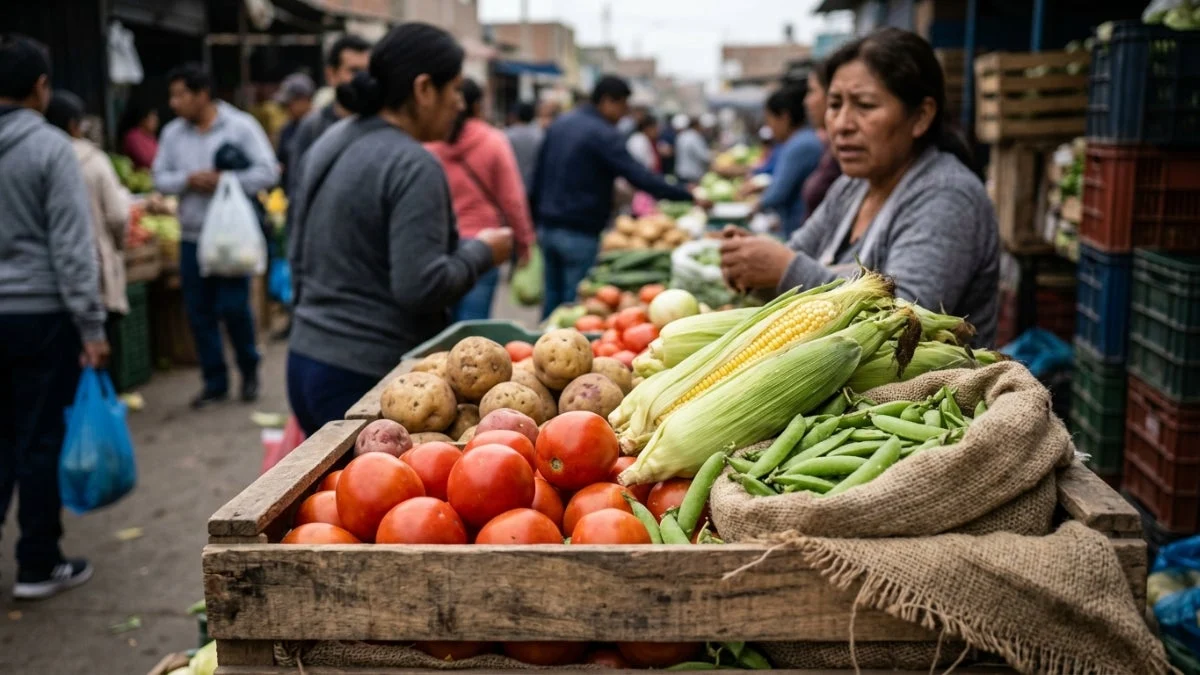
In the short span between August 1 and September 4, the Peruvian market experienced what analysts call a "price shock." Wholesale centers, which typically offer lower prices to retailers, reported staggering increases. The price of tomatoes, for instance, doubled, leaping from S/2.08 to S/4.63 per kilogram—a 123% increase. By the time this product reached local neighborhood markets, the price reached an average of S/7.59, representing a 65% markup from previous levels.
This is not an isolated incident. The "basket of goods" for the average Peruvian household has been severely impacted. Green peas, a staple in many traditional dishes, saw a wholesale price hike of 93%, while retail prices climbed by 29%. Even the humble potato, the backbone of Peruvian cuisine, has seen wildly inconsistent pricing depending on the variety. While some types like the Canchan potato surged by 79% in wholesale markets, others have shown market resistance. Meanwhile, corn (choclo) prices spiked by 67% at the wholesale level, a cost increase that quickly trickled down to the final consumer, who is now paying nearly 50% more for the same product compared to just a few weeks ago.
Chronology of a Disruption: From Farm to Table
To understand the current crisis, one must look at the timeline of events that have converged over the last quarter.
- Mid-2024: Persistent, unseasonable heat begins to affect the vegetative cycles of crops across the coast and central regions.
- Late July 2024: Reports of reduced yields in tomato and pea harvests emerge, signaling a drop in supply.
- August 1, 2024: Baseline pricing for essential goods in Lima is recorded by the government; the market appears stable but with underlying volatility.
- Mid-August 2024: The cumulative effect of fuel price hikes, which impact the cost of transporting agricultural inputs, begins to force farmers to raise their "at-farm" prices to break even.
- September 4, 2024: Statistical analysis confirms the double-digit and triple-digit increases, sparking public alarm and prompting statements from agricultural leaders.
The Structural Causes: Climate and Chemistry
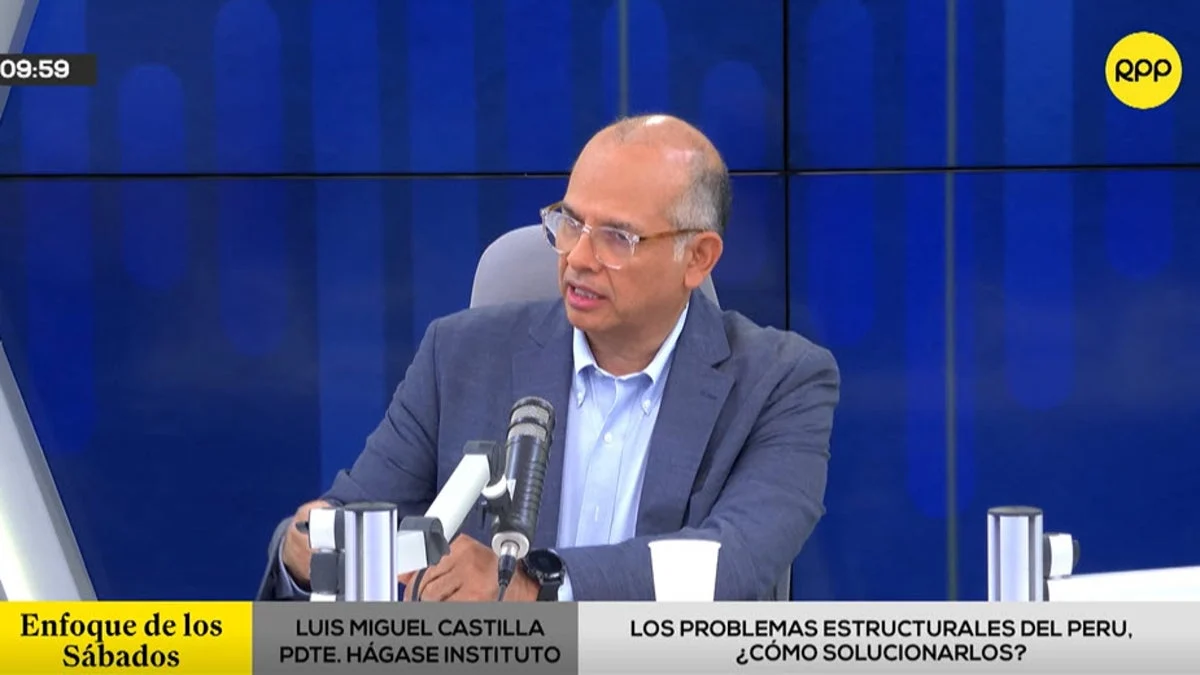
Luis Cruz Cuadros, General Manager of Conveagro, notes that over 300 of the 560 products in the standard Peruvian food basket have registered price increases. This is not mere inflation; it is a structural supply contraction.
The El Niño Factor
While the feared "mega-Niño" has not yet brought the apocalyptic flooding seen in past decades, the "Silent Niño"—the warming of the coastal waters and atmosphere—is already wreaking havoc. The higher-than-normal temperatures have disrupted the pollination cycles of crops like corn, leading to stunted, smaller ears and lower harvest yields. For tomatoes, the heat has created a perfect environment for pest proliferation, further reducing usable yields by as much as 50%.
The Fertilizer Trap
The agricultural sector remains tethered to global commodity prices. Fertilizers, essential for modern crop yields, are closely linked to the price of oil. As global fuel prices remain volatile, the cost of importing these essential chemical inputs has skyrocketed. For small-scale farmers in the Andes and the coast, the math no longer adds up. When the cost of production exceeds the expected profit, farmers either reduce their planting areas or exit the market entirely, leading to the supply shortages that drive the current retail price spikes.
The Hidden Cost: The Burden of Intermediation
A critical point raised by experts is the disparity between what the farmer receives and what the consumer pays. The "intermediary gap" in Peru is notoriously wide. A crop traveling from the fields of Andahuaylas to a pot in a Lima kitchen might pass through four, five, or even seven different middlemen.
"The price the consumer pays in Lima is often not a reflection of what the farmer is earning," says Cruz Cuadros. "It is an issue of excessive intermediation. Often, these price hikes are speculative in nature, with intermediaries taking advantage of market uncertainty to inflate margins at every step of the logistics chain."
Implications: A Looming Food Security Crisis
The outlook for the coming months is, according to Conveagro, precarious. If the climatic conditions intensify—specifically, if the predicted rainfall patterns for the Southern Highlands fail to manifest or if extreme weather events occur—the country could face a deeper food crisis.
Economic Impact on the Vulnerable
The most immediate consequence is the erosion of purchasing power. As food prices consume a larger percentage of a household’s income, families are forced to cut back on nutritional quality, leading to concerns about long-term food insecurity. This is a "silent" inflation that hits the lowest-income households the hardest, as they spend a larger proportion of their earnings on food staples.
The Threat to the Small Farmer
The plight of the farmer is twofold. In the south, many are already facing the prospect of being unable to plant due to drought conditions. If the rains do not arrive, the next harvest will be even smaller than the current one, creating a vicious cycle of poverty and reduced production.
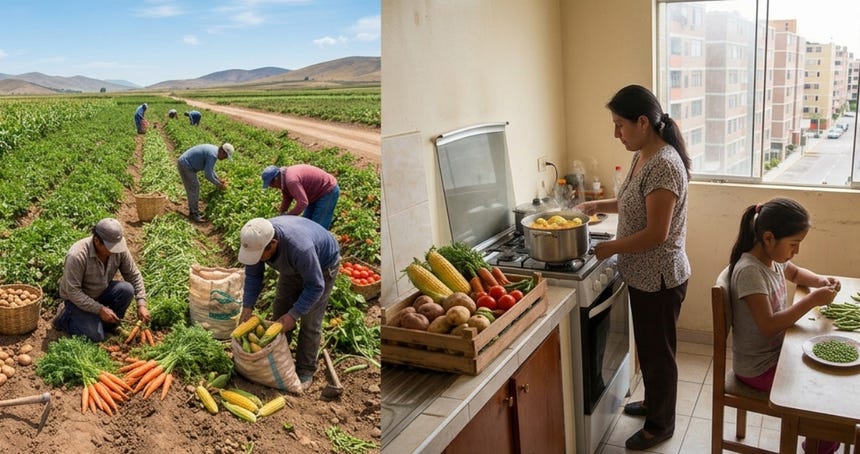
"We are talking about the impoverishment of the farmer," Cruz warns. "Either their crops are destroyed by erratic weather, or the lack of water prevents them from sowing altogether. Both scenarios lead to the same result: less food on the table and less money in the rural economy."
The Path Forward: Can the Effects be Mitigated?
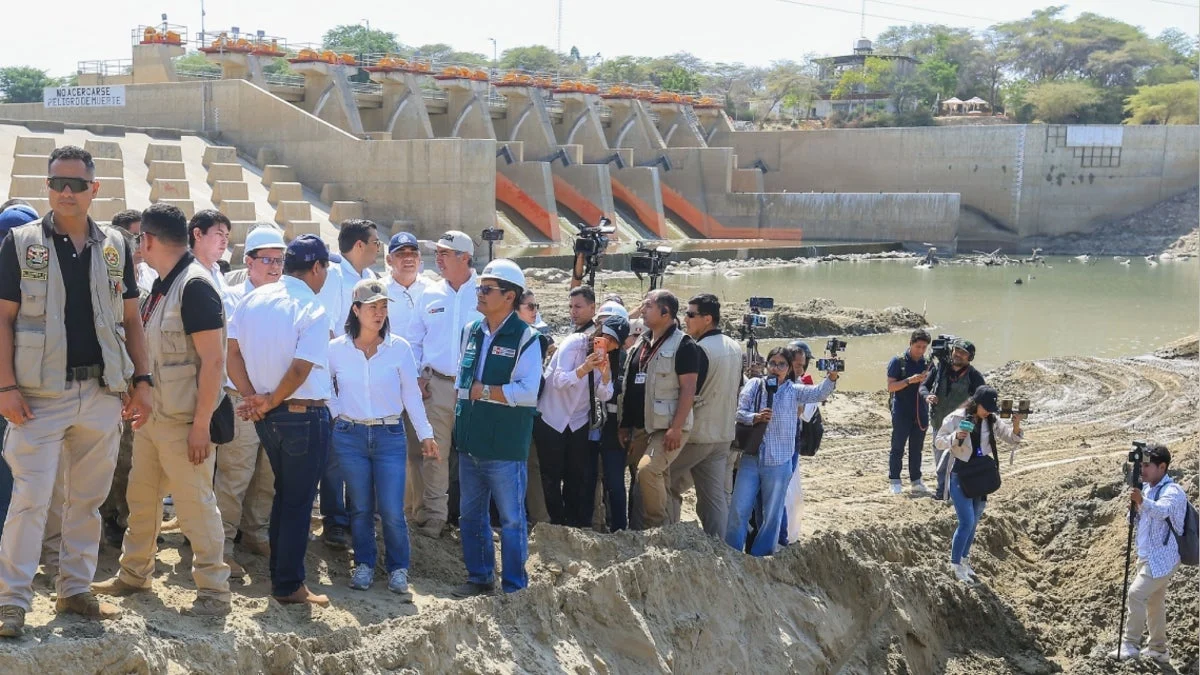
While authorities cannot control the temperature of the Pacific Ocean or the global price of oil, there is a growing consensus that the government must intervene to alleviate the burden on the agricultural sector.
Conveagro is currently in dialogue with policymakers to discuss targeted solutions. These include:
- Strengthening Agricultural Insurance: Ensuring that farmers who lose their crops to climate events have a safety net to prevent bankruptcy.
- Shortening the Supply Chain: Investing in infrastructure—such as regional cold storage and direct-to-market logistics—to reduce the reliance on excessive intermediaries.
- Subsidizing Technical Assistance: Helping farmers adopt more resilient, pest-resistant seed varieties that can withstand the new, hotter climate conditions.
The current situation is a wake-up call for Peru. The food supply is no longer a guaranteed constant, but a complex, fragile system that is increasingly sensitive to the whims of the environment and the volatility of the global economy. Without a proactive strategy to support small-scale agriculture and stabilize the supply chain, the "food shock" experienced in August and September may only be the beginning of a much longer, more difficult period of uncertainty for the Peruvian consumer. As the nation prepares for the coming months, the focus remains on whether the government can act fast enough to protect both the farmers who feed the nation and the families who are struggling to afford that food.