Sechura, Peru – In a significant stride towards agricultural diversification and economic resilience, farmers in the Sechura province are embracing the cultivation of sesame (ajonjolí) as a viable and promising alternative crop. This initiative, driven by a collaborative effort involving international organizations, local authorities, and agricultural experts, aims to optimize water resource utilization, unlock new market opportunities, and bolster the livelihoods of farming communities.
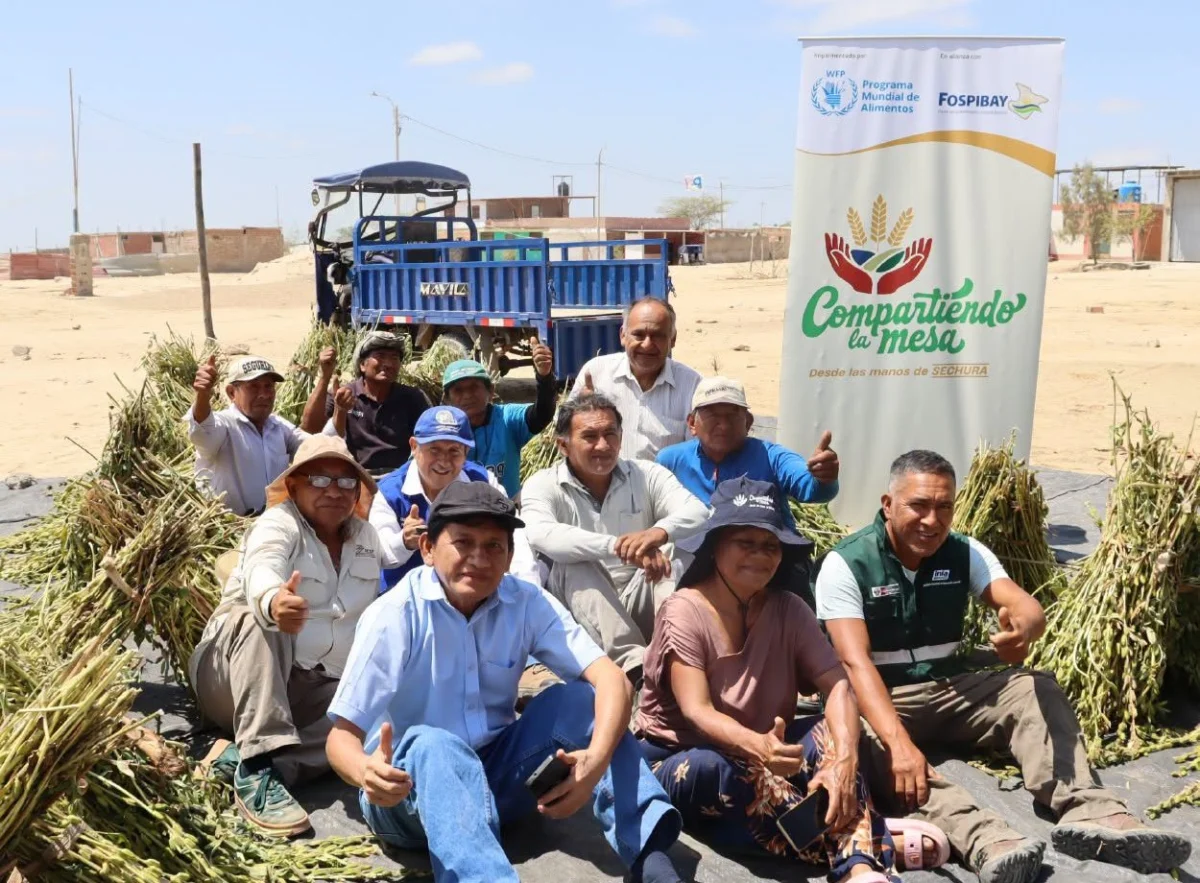
The project, aptly named "Sharing the Table from the Hands of Sechura," is a testament to the power of strategic partnerships. Spearheaded by the World Food Programme (WFP) in alliance with FOSPIBAY – an entity managing the Bayóvar project’s royalties – this endeavor is forging a new path for agricultural development in the region. Supported by the Municipalidad Distrital de Vice and a consortium of public and private institutions including the National Agrarian Innovation Institute (INIA), PECOR AGRO, F&S, and the National Agrarian Health Service (SENASA), the project is meticulously validating the cultivation of sesame through an initial pilot program.
A Seed of Change: The Pilot Program Takes Root
The foundation of this transformative initiative lies in a carefully orchestrated pilot program that has established eight hectares dedicated to sesame cultivation across various plots within the Vice district. This hands-on approach is not merely about planting seeds; it encompasses providing specialized technical assistance and diligently monitoring productive outcomes. The overarching goal is to rigorously assess the potential for scaling up sesame cultivation throughout the Sechura province, a region historically known for its distinct agricultural landscape.
To foster a comprehensive understanding and encourage adoption, the project has organized a series of intensive informational workshops. These sessions, designed to equip local farmers with the essential knowledge for successful sesame management, have already engaged over 45 local farmers. Complementing these workshops, strategically established demonstration plots serve as living laboratories, allowing producers to witness firsthand the tangible results and inherent advantages of this burgeoning agricultural alternative. These plots are crucial in demystifying a crop that was largely unknown in the Sechura context, building trust and demonstrating its practical viability.
Farmer’s Perspective: From Skepticism to Success
The journey of adopting a new crop is often paved with initial hesitation, especially in communities accustomed to traditional practices. Miguel Vite, one of the pioneering farmers who decided to venture into sesame cultivation, candidly shares his experience. "I joined the project, but I started with a small plot to see how it would go. I did, and it gave me results, and now I have it in a large field," he recounts, highlighting his gradual but assured transition from cautious experimentation to full-scale adoption.
Vite further elaborates on the evolving sentiment among his peers. "As it’s an unknown crop in Sechura, there was some distrust. But now that they’ve seen it growing, many have also joined," he adds. This growing interest is a direct consequence of observing the robust development and promising yields from the initial sesame plantings. The visual evidence from the demonstration plots and the personal testimonials from early adopters like Vite are proving to be the most persuasive advocates for this new agricultural frontier.
Expanding Horizons: Future Prospects and Growth
The initial successes have undeniably ignited a spark of enthusiasm among more farming families. The momentum generated by the pilot program is palpable, with plans already in motion to expand the cultivation area. For the upcoming "campaña agrícola chica" (small agricultural campaign) in 2026, an additional five hectares of sesame are slated for incorporation across the districts of Bernal, Cristo Nos Valga, and Bellavista. This expansion signifies a clear endorsement of sesame’s potential to effectively diversify the local agricultural portfolio and contribute to a more robust and resilient farming sector within the Sechura province.

The strategic selection of these new areas for expansion is informed by the positive outcomes of the pilot phase and the specific agro-ecological conditions of each district, ensuring that the growth is sustainable and tailored to local realities. This phased approach allows for continuous learning and adaptation, maximizing the chances of widespread success.
Project Genesis: "Sharing the Table from the Hands of Sechura"
The "Sharing the Table from the Hands of Sechura" project is more than just an agricultural initiative; it is a holistic development program designed to empower the communities of Sechura. Implemented by the World Food Programme (WFP) in close collaboration with FOSPIBAY, which plays a crucial role in administering the royalties derived from the Bayóvar project, the initiative aims to achieve several interconnected objectives.
At its core, the project seeks to strengthen family farming, ensuring that smallholder farmers have the resources and knowledge to thrive. This includes improving their access to markets, a critical component for ensuring the economic viability of their produce. By fostering productive capacities, the project equips farmers with the skills and technologies needed to enhance their yields and the quality of their crops. Furthermore, a key objective is to facilitate the population’s access to services linked to nutrition and food security, thereby contributing to the overall well-being and sustainable development of the Sechura province.
The synergy between these elements – agricultural development, market access, capacity building, and nutritional support – creates a powerful framework for lasting positive change. The WFP’s involvement underscores a commitment to addressing food security challenges at their root, while FOSPIBAY’s role highlights the importance of leveraging regional resources for community benefit.
Supporting Data and Institutional Framework
The success of this innovative agricultural undertaking is underpinned by a robust network of support and a foundation of data-driven decision-making. The establishment of the eight-hectare pilot program is a deliberate strategy to generate empirical evidence. This includes meticulously tracking key performance indicators such as yield per hectare, water consumption efficiency, pest and disease incidence, and the overall cost-benefit analysis of sesame cultivation in the Sechura context.
-
Agronomic Data: The INIA, through its research expertise, is instrumental in providing scientific validation for sesame cultivation techniques suitable for Sechura’s climate and soil conditions. This includes advising on optimal planting times, fertilization strategies, and irrigation methods that maximize water efficiency – a critical consideration in a region where water scarcity can be a significant challenge. Early data suggests that sesame, with its relatively lower water requirements compared to some traditional crops, presents a compelling case for water-wise agriculture.
-
Market Analysis: PECOR AGRO and F&S are contributing their market intelligence to identify potential buyers and assess demand for sesame, both domestically and internationally. This proactive market research ensures that the increased production spurred by the project has a clear pathway to consumers, thereby guaranteeing fair prices for farmers and preventing market saturation. Understanding global and local market trends allows for strategic planning and the cultivation of sesame varieties that meet specific market demands for oil content, seed size, and other quality parameters.

-
Health and Safety Standards: SENASA plays a vital role in ensuring that the sesame produced meets all necessary health and safety regulations. This includes providing guidance on the safe use of agricultural inputs and conducting inspections to guarantee that the produce is free from harmful contaminants. Compliance with these standards is paramount for building consumer confidence and accessing export markets.
-
Water Resource Optimization: The arid and semi-arid conditions of Sechura necessitate a focus on water-efficient agricultural practices. Sesame, a crop known for its resilience and moderate water needs, aligns perfectly with the province’s environmental realities. The project’s technical assistance is heavily geared towards promoting drip irrigation and other water-saving techniques, ensuring that the expansion of sesame cultivation does not place undue strain on precious water resources. Early observations from the pilot plots indicate a significant improvement in water use efficiency, a critical factor for long-term agricultural sustainability in the region.
Official Responses and Future Outlook
The collaborative nature of the "Sharing the Table from the Hands of Sechura" project has garnered significant positive feedback from all participating entities.
Eng. Maria Elena Rodriguez, Project Coordinator for FOSPIBAY:
"We are witnessing a profound transformation in Sechura. The introduction of sesame is not just about diversifying crops; it’s about empowering our farmers with new economic avenues. The partnership with the WFP and other institutions has been invaluable, providing the technical expertise and resources needed to make this a reality. The enthusiasm of the farmers is contagious, and we are confident that sesame will become a cornerstone of Sechura’s agricultural future."
Mr. Javier Lopez, Representative of the Municipalidad Distrital de Vice:
"Our district is proud to be at the forefront of this initiative. The project directly addresses the needs of our agricultural communities, offering them a sustainable alternative that respects our environment. The improved water management techniques associated with sesame cultivation are particularly beneficial for our region. We are committed to supporting the expansion of this crop and ensuring its long-term success for the benefit of all Vice residents."
Dr. Sofia Vargas, Agricultural Specialist at INIA:
"From a technical standpoint, the validation of sesame cultivation in Sechura is a significant achievement. Our research indicates that with appropriate management, the crop exhibits excellent potential for growth and yield in the local agro-climatic conditions. The collaboration with farmers in the demonstration plots has been crucial for adapting best practices to the specific needs of the region. We are optimistic about the role sesame can play in enhancing food security and economic stability."
The implications of this successful sesame cultivation initiative extend far beyond the immediate agricultural sector. By diversifying the provincial economy, reducing reliance on a few staple crops, and creating new income streams, the project contributes to greater economic resilience. The improved water management practices associated with sesame offer a model for sustainable agriculture in water-scarce regions, potentially serving as an example for other parts of Peru and beyond. Furthermore, the project’s focus on nutrition and food security, integrated within its broader objectives, promises to enhance the overall well-being of the Sechura population. The "Sharing the Table from the Hands of Sechura" project is, therefore, a powerful illustration of how targeted interventions, collaborative partnerships, and a focus on innovative agricultural solutions can cultivate not just crops, but also a brighter and more sustainable future for communities. The small sesame seed, once a symbol of novelty and perhaps skepticism, is rapidly becoming a beacon of hope and prosperity in Sechura.