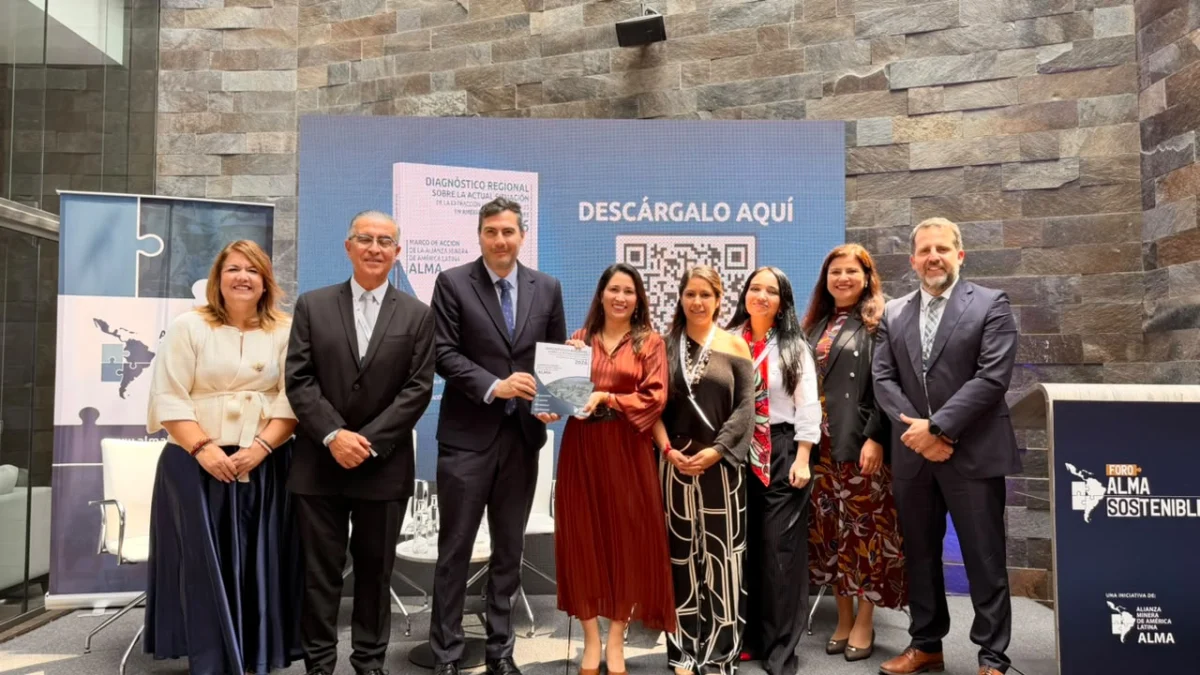
The extraction of minerals in Latin America has long been a double-edged sword: a vital engine for economic development and, increasingly, a massive liability for regional security. A landmark report released by the Alianza Minera de América Latina (ALMA)—the Regional Diagnostic on the Illegal Extraction of Minerals in Latin America and the Caribbean—has shattered the illusion that illegal mining is a localized problem. For the first time, this comprehensive study provides empirical evidence that organized crime has effectively captured a significant portion of the region’s mineral extraction sector, creating a transnational threat that no single nation can confront in isolation.
The Core Findings: A Transnational Network of Crime
The diagnostic reveals a disturbing reality: the illegal mining sector is no longer confined to small-scale, opportunistic activities. It has evolved into a sophisticated, highly organized enterprise. The central finding of the report is the documentation of a massive "mercury route." An investigation by the Environmental Investigation Agency (EIA) identified a supply chain involving approximately 200 tons of mercury, connecting Mexican mines to illegal gold operations in Bolivia, Colombia, and Peru.
The economic scale of this illicit activity is staggering. The report estimates that the value of gold produced through these illegal channels reaches US$8 billion annually. The environmental toll is equally severe, with nearly half of that mercury estimated to end up in the Amazon basin. The severity of the infiltration is evidenced by the June 2025 seizure in the port of Callao, Peru, where customs officials intercepted four tons of mercury—the largest such seizure in the history of the Amazonian region.
Chronology of a Regulatory Failure
The ALMA report serves as a stark critique of past policy attempts to manage mining. The study documents the counter-intuitive results of banning or paralyzing formal mining operations. Rather than protecting the land, these actions often result in the abandonment of deposits to criminal networks that operate without environmental standards or tax obligations.
- 2010 (Costa Rica): The government implemented a total prohibition on mining. The result was a surge in illegal activity, with 149,243 troy ounces of gold—valued at US$197 million—extracted illicitly between 2017 and 2018 alone.
- 2018 (Ecuador): The closure of the mining cadaster was intended to curb unsustainable practices. Instead, it triggered an explosion of illegal extraction points, which grew from fewer than 60 in 2018 to over 600 by 2024.
- 2023–2024 (Panama): Following the closure of a major copper mine, reports of illegal extraction in the surrounding areas quadrupled in just eight months, demonstrating that nature abhors a vacuum, and criminal syndicates are ready to fill the void left by formal industry.
- Present (Venezuela): The Arco Minero del Orinoco serves as a cautionary tale of institutional collapse, where only 14% of the gold revenue reaches the state through regular channels, with the vast majority captured by non-state actors.
The Peruvian "Laboratory" of Illicit Gold
Peru stands out as the most acute case study in the ALMA diagnostic. According to data from the Instituto Peruano de Economía (IPE) integrated into the report, Peru has become the epicenter of the illegal gold trade in South America.

In 2023, the country exported nearly 77 tons of illegal gold, valued at approximately US$4.8 billion. By 2024, that figure rose to 92 tons (US$7 billion), and current projections for 2025 suggest a staggering 105 to 115 tons, with a value exceeding US$12 billion. This means that, in terms of volume and value, the illegal trade is now essentially equal to the country’s legal gold exports. Peru is estimated to account for 44% of all illicit gold exported from South America.
The diagnostic also identifies a major shift in the destination markets for this gold. In 2014, 75% of Peruvian gold exports were destined for highly regulated markets such as Switzerland, the United States, and Canada. By 2024, that dynamic had shifted dramatically: nearly half of the exports went to India and the United Arab Emirates, jurisdictions with significantly lower standards for verifying the origin of the product.
Furthermore, the report highlights the "intermediation gap." When the global price of gold spiked by 29% in the third quarter of 2024, the number of new commercialization and processing plants in Peru doubled. This rapid proliferation, occurring in the absence of robust traceability policies, confirms that the sector is being used as a massive laundering machine.
Official Responses and Strategic Proposals
ALMA has not only diagnosed the disease but has prescribed a series of urgent interventions. Carolina Orozco, Vice President for ALMA Ecuador, emphasizes that the solution lies in regional integration rather than unilateral national action. ALMA proposes an eight-point plan:
- Regional Mercury Traceability: Establishing a shared mechanism to monitor and control the movement of mercury across borders.
- Buyer Responsibility: Implementing strict protocols for the verification of mineral origin.
- Regulation of Intermediation: Closing the legal loopholes that allow rogue processing plants to operate.
- Regional Measurement System: Adopting a common methodology to quantify the extent of illegal mining.
- Chain of Supply Traceability: Controlling the entirety of the supply chain, from extraction to export.
- Conditional Formalization: Ensuring that any efforts to formalize artisanal miners are tied to verifiable environmental and social standards.
- Market Destination Accountability: Pressuring consumer nations and markets to hold their importers responsible for the provenance of their minerals.
- Binational Vigilance: Integrating the monitoring of illegal extraction into existing binational mining integration commissions.
Implications for the Future of the Region
Francisco Lecaros, President of ALMA, frames the issue within the context of the global energy transition. As the world moves toward green energy, the demand for "critical minerals"—such as copper, lithium, tin, and rare earth elements—is skyrocketing. While this presents an unprecedented opportunity for Latin American development, it also increases the target list for criminal organizations.

"Mining has been a pillar of development for Latin America since our origins," Lecaros states. "Today, illegal extraction is no longer limited to gold; it has expanded to copper, lithium, and rare earths. It is a transnational threat that weakens our institutional integrity, destroys our ecosystems, and fuels the very organizations that threaten our social stability."
The diagnostic makes it clear that the current model of fragmented regulation is failing. The "gold rush" of the 21st century is increasingly being controlled by shadow networks that operate in the dark corners of regional bureaucracy.
Conclusion: A Call to Action
The ALMA report is a sobering wake-up call. It demonstrates that the transition to a sustainable, modern mining industry cannot happen if the foundations are being eroded by illicit activity. The message from the organization is unequivocal: without regional cooperation, standardized traceability, and a concerted effort to strengthen the rule of law, the wealth hidden beneath the soil of Latin America will continue to be a source of instability rather than a foundation for prosperity.
For policymakers, the path forward is clear. The "laboratory" of Peru and the failures in Panama and Ecuador prove that regulation without enforcement—or with porous borders—only strengthens the hand of the illicit sector. The future of the region’s geopolitical relevance depends on its ability to prove that it can be a reliable, ethical, and transparent supplier of the minerals that the world needs, while ensuring that those resources benefit the citizens of the nations where they are extracted, rather than the criminal syndicates that seek to steal them.
For further reading and to access the full diagnostic report, please visit the official ALMA website at https://almalatam.org/.