By Investigative Desk
September 11, 2026
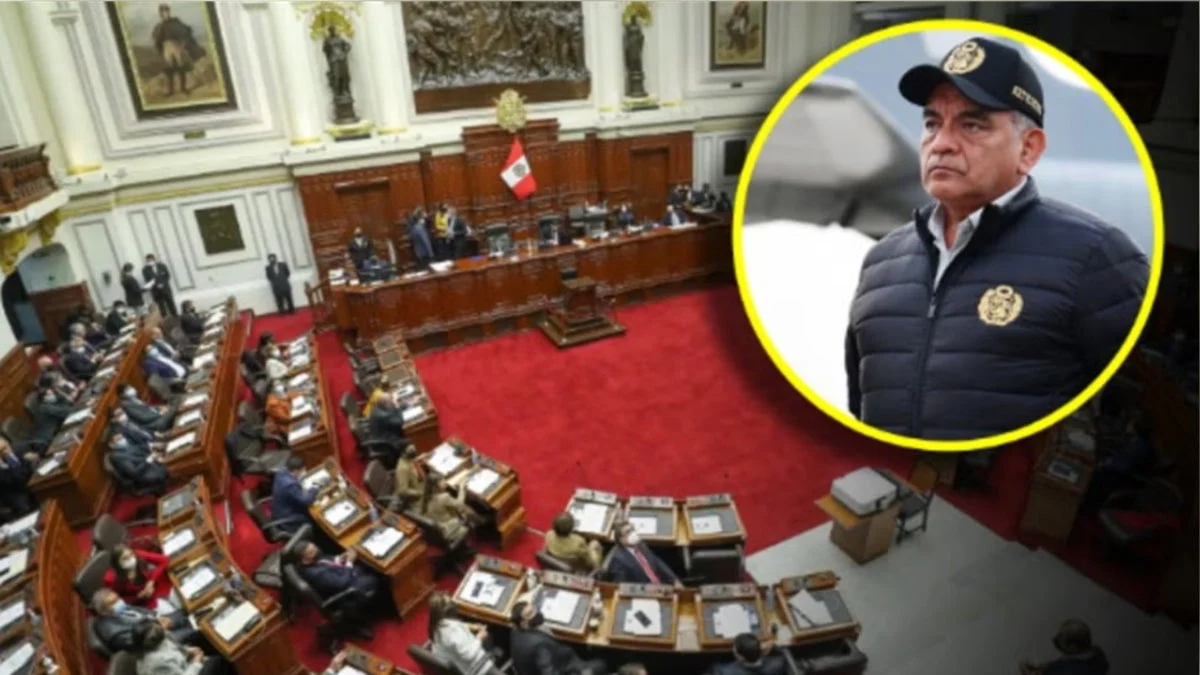
The political landscape in Peru reached a new point of friction this week as the Chamber of Deputies formally approved a motion to interpelate the Minister of the Interior, César Astudillo. The decision, reached during a heated plenary session on Thursday, September 10, marks a significant escalation in the legislative branch’s scrutiny of the Executive’s handling of a national crime wave that has gripped the country for months.
As the nation grapples with a surge in violent crime, including high-profile kidnappings and a rise in systemic contract killings, the legislative branch has signaled that it will no longer tolerate what it perceives as administrative incompetence and a lack of strategic leadership.
The Core Conflict: Why Minister Astudillo Must Face the Plenary
The motion, identified as number 256, was pushed through by members of the Juntos por el Perú bench. While the final tally—50 votes in favor, 65 against, and one abstention—technically exceeded the minimum requirement of 42 votes for approval, the margin highlights a deeply divided Congress.
Minister César Astudillo is now mandated to appear before the full Chamber of Deputies on Thursday, September 17, at 10:00 a.m. He will be required to answer a rigorous 27-question interrogation. The inquiry focuses on three primary pillars of failure:
- Alleged Irregular Appointments: Lawmakers have raised significant concerns regarding the transparency and qualifications of recent personnel appointments within the Ministry of the Interior, suggesting a pattern of cronyism that undermines the operational capacity of the police force.
- Lack of Leadership: Critics argue that the Minister has failed to provide a cohesive strategy to combat the rampant insecurity currently paralyzing major urban centers.
- Controversial Statements: The Minister faces intense backlash for his previous remarks before Congress, in which he appeared to downplay the severity of the homicide rate, characterizing the public’s fear as a mere "issue of perception."
Chronology of the Legislative Push
The path to this interpelation did not happen in a vacuum. It is the culmination of weeks of mounting public pressure and failed attempts by the Ministry to regain control of the narrative.
- August 2026: Public outcry begins to intensify following a series of violent incidents in northern Peru, including the abduction of a prominent businessman in Trujillo.
- Early September 2026: Deputy Analí Márquez, representing Juntos por el Perú, formally announces the intent to file a motion of interpelation, citing the need for the Minister to account for the "blood spilled on our streets."
- September 8, 2026: The assassination of the brother of the Mayor of Pataz acts as a flashpoint, galvanizing support for the legislative motion.
- September 10, 2026: The Chamber of Deputies debates the motion. Supporters argue that the government’s inability to curb the violence is an existential threat to the nation’s stability.
- September 17, 2026 (Upcoming): The scheduled appearance of Minister Astudillo before the Plenary.
Supporting Data: The Statistics of Fear
The arguments presented by the opposition are rooted in a series of grim statistics that paint a picture of a nation in the throes of a criminal epidemic. Deputy Analí Márquez emphasized during her presentation that, in the opening days of the current administration, the country recorded 207 homicides.
These are not merely numbers; they represent a geographic spread of violence that has hit regions like Piura—specifically Talara, Sullana, and Paita—particularly hard. The prevalence of "sicariato" (contract killing) has become a fixture of daily life in these areas. The legislative inquiry will demand an accounting of why current anti-crime protocols have failed to protect citizens from these organized criminal structures.
The investigation into the structure of a criminal ring responsible for the Trujillo kidnapping, which involves over 20 identified suspects, has further fueled the argument that the current Interior Ministry is outmaneuvered by sophisticated criminal syndicates.
Official Responses and Political Rebuttals
Minister César Astudillo has attempted to navigate the political storm by acknowledging that his previous language was "poorly phrased." In recent public statements, he attempted to clarify that he recognizes the gravity of the homicide rates and the reality of the violence. However, for the opposition, these apologies are "too little, too late."
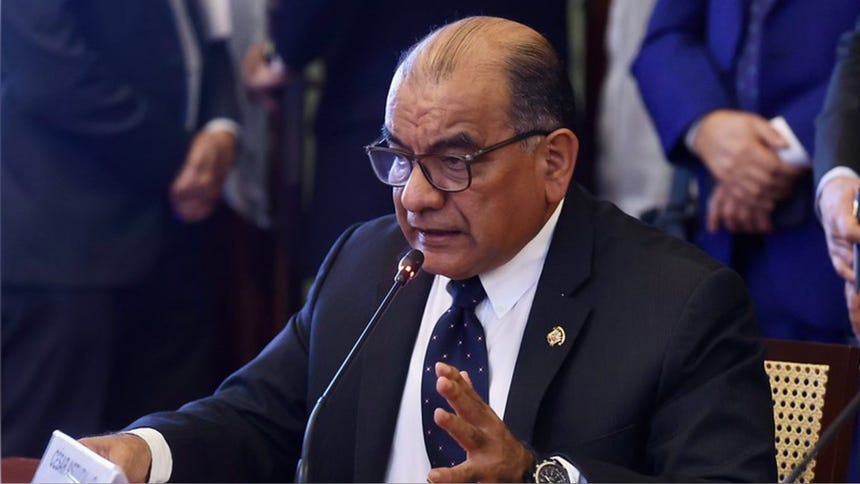
"The Minister has to come and answer to the Peruvian people," stated Deputy Márquez during the session. She articulated that the government’s attempt to dismiss the insecurity as a "perception" is an insult to the families of the victims.
From the government’s perspective, there is a push to frame the interpelation as a politically motivated witch hunt designed to destabilize the administration during a fragile economic recovery. Supporters of the Minister argue that the structural issues of the national police force are long-standing and cannot be solved overnight by a single cabinet member.
A Mixed Day for the Opposition: The Defense Ministry Verdict
While the move to interpelate the Interior Minister was successful, the day provided a partial victory for the Executive branch. The Chamber of Deputies also deliberated on a separate motion to interpelate the Minister of Defense, Rafael Belaunde.
The motion against Belaunde, which focused on his alleged ties to mining companies and broader criticisms of the Executive’s management, failed to gain traction. With 31 votes in favor, 62 against, and 17 abstentions, the motion was promptly archived.
Chamber President Oscar Reto officially announced the decision, stating: "The Motion of the Day has not been admitted; consequently, it is sent to the archives." This result suggests that while the Congress is in a mood to punish the Interior Ministry, it remains hesitant to destabilize the Ministry of Defense, perhaps reflecting a strategic choice by the legislature to focus its political capital on the most visible point of failure: national security.
Implications for the Future of the Administration
The upcoming September 17 session is likely to be a watershed moment for the current government. If Minister Astudillo fails to provide satisfactory answers to the 27 questions prepared by the legislature, the next logical step for the opposition would be a motion of censure.
A censure vote, if successful, would force the Minister to resign, creating a significant vacancy in one of the most critical posts in the cabinet. This would force the Executive to either recalibrate its security policy entirely or risk a prolonged period of instability.
Furthermore, the public perception of this event will be critical. The citizens of Peru are watching closely to see if the Chamber of Deputies acts as a true check on executive power or if this is simply political theater. With the eyes of the nation turned toward the Plenary, the government must prepare to offer more than just administrative rhetoric; it must offer a tangible path toward restoring peace and order in a country that is rapidly losing its patience.
As the clock ticks toward the 17th, the pressure on the Ministry of the Interior is at an all-time high. Whether this leads to a shift in policy or a total collapse of the current ministerial leadership remains to be seen. One thing is certain: the era of "perception" as a defense for the government is officially over.