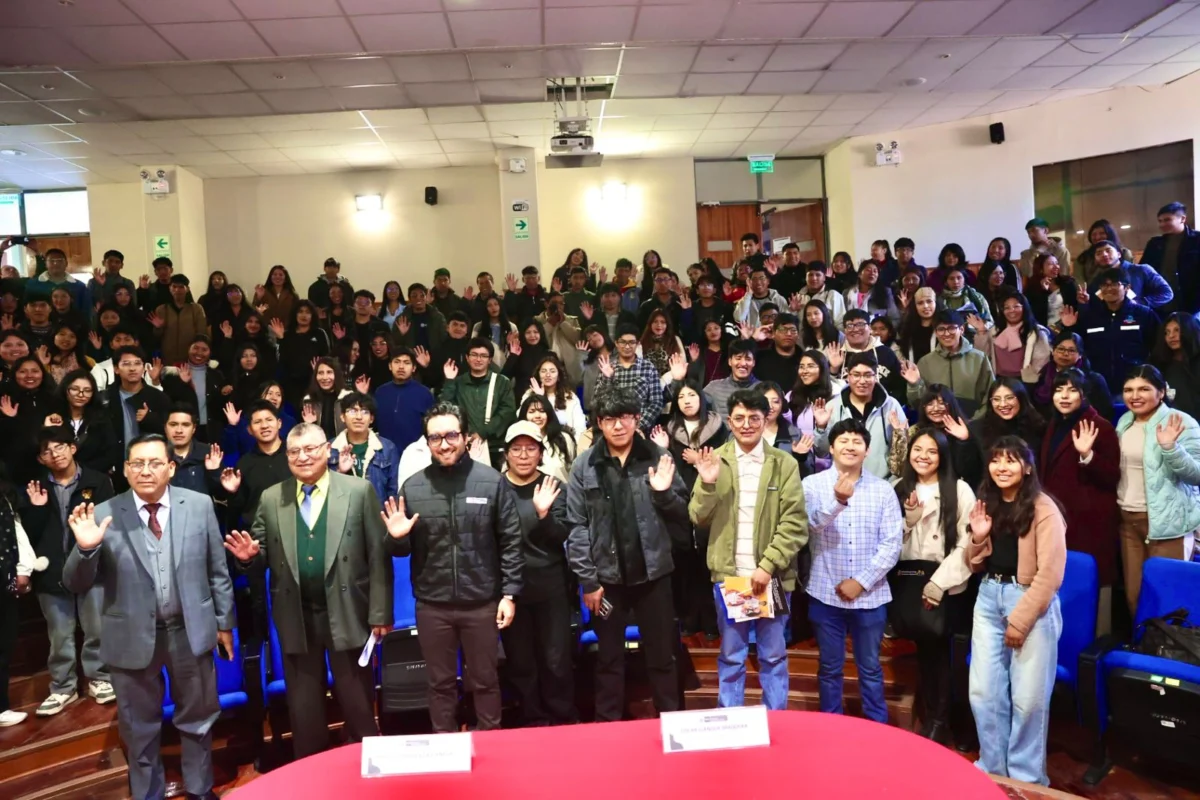
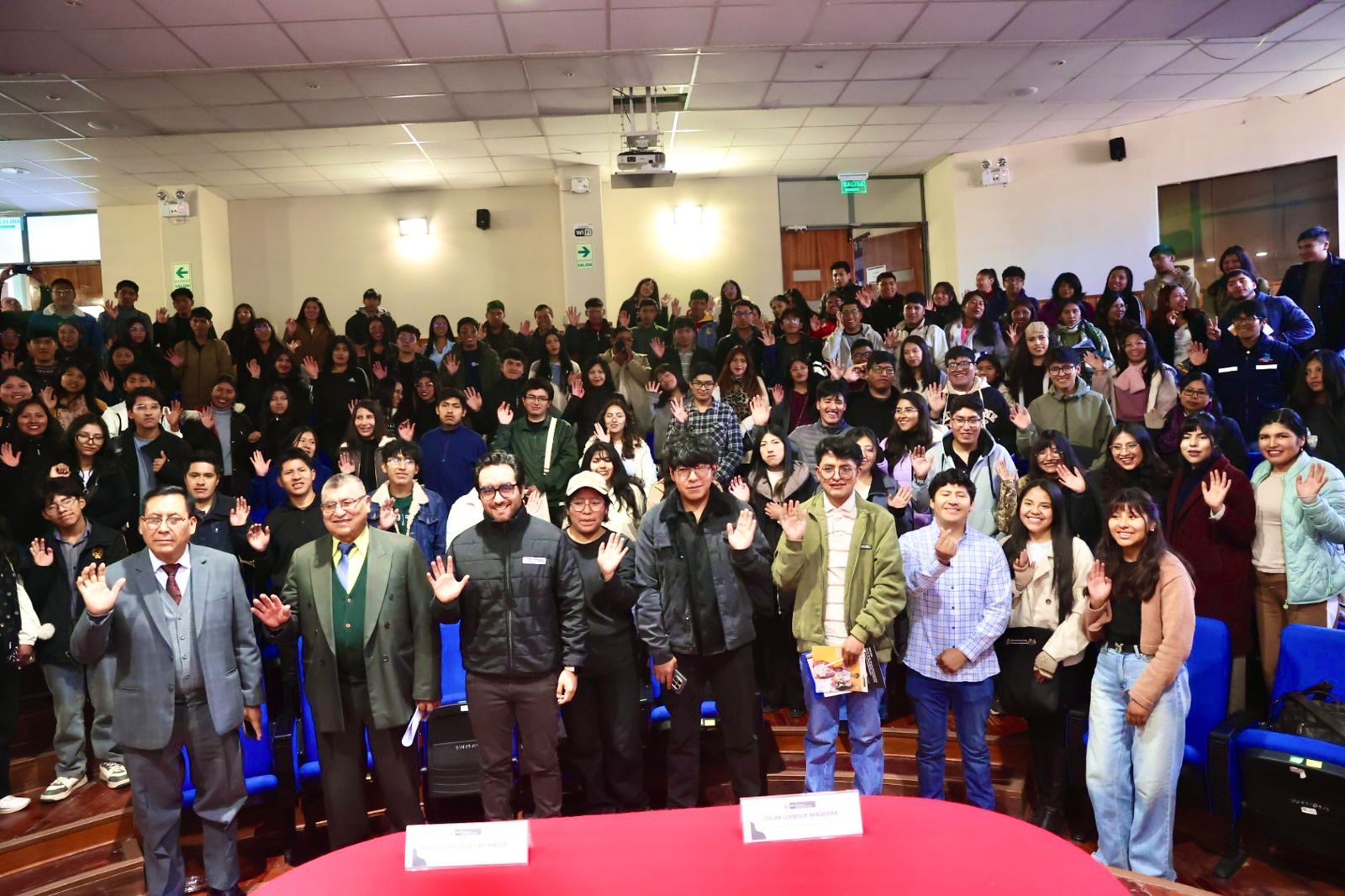
In an era where the global demand for minerals is inextricably linked to the energy transition and technological advancement, the role of the mining industry in Peru has never been more critical. Recognizing the need to bridge the gap between academic theory and operational reality, the Ministry of Energy and Mines (MINEM) recently convened the XLIII Workshop on Mining Integration and Sustainable Development (TIMDS) in Puno. This significant educational milestone brought together over 180 university students and recent graduates, underscoring a national commitment to fostering a new generation of professionals equipped to lead a modern, responsible, and sustainable mining sector.
The event, hosted at the Faculty of Economic Engineering of the National University of the Altiplano (UNA), served as a vital platform for dialogue, technical training, and capacity building. By integrating diverse perspectives—from environmental stewardship to socioeconomic impact—the workshop aimed to redefine the narrative of mining in the southern Andean region.
The Core Pillars of the XLIII TIMDS
The curriculum of the XLIII TIMDS was meticulously structured to reflect the multidisciplinary nature of contemporary mining. Spanning five intensive modules, the program provided a comprehensive overview of the industry’s lifecycle and its broader societal implications.
1. Technical and Environmental Governance
A central focus of the workshop was the technical rigor required in modern mining. Participants delved into the intricacies of environmental management instruments, which are the backbone of sustainable operations. Furthermore, the session on the remediation of legacy mining liabilities (pasivos ambientales) provided students with a sobering yet essential look at the historical responsibilities of the industry and the engineering solutions available to mitigate past impacts.
2. Economic Impact and Community Benefits
Understanding the economic machinery of the sector is crucial for future leaders. The modules covering the canon minero (mining tax) and royalties provided participants with a clear understanding of how mining wealth is redistributed to regional and local governments. By demystifying these fiscal mechanisms, the workshop aimed to equip future professionals with the knowledge to advocate for more efficient and transparent use of mining-generated resources in their own communities.
3. Holistic Professional Development
Recognizing that technical expertise alone is insufficient for effective leadership, the program included dedicated modules on soft skills, leadership, and personal development. This holistic approach ensures that the next generation of engineers and social scientists is not only technically proficient but also capable of navigating the complex social landscapes inherent in mining projects.
A Collaborative Institutional Effort
The success of the XLIII TIMDS was the result of a strategic partnership between government agencies, academic institutions, and local community leadership. The presence of specialists from the Ministry of Energy and Mines (MINEM), the Geological, Mining and Metallurgical Institute (Ingemmet), and Activos Mineros SAC (AMSAC) provided attendees with direct access to the nation’s leading experts.
The initiative was brought to fruition following a formal request from Roemir Huarancca, President of the Ajoyani Peasant Community, and Marianela Nina, a promoter of the Mining Integration Program (PIM). This grassroots impetus highlights the growing demand from local stakeholders for transparent, science-based information regarding mining activities in their territories.
Perspectives from Academia and Leadership
During the inaugural session, Oscar Llanque Maquera, Dean of the Faculty of Mining Engineering at the UNA, emphasized the necessity of a multidisciplinary approach. "Modern mining is a highly complex, multidisciplinary industry," Llanque Maquera noted. "It requires the seamless integration of engineers, geologists, environmental scientists, sociologists, and economists. To operate efficiently and safely, we must move beyond silos and embrace a collaborative, sustainable vision."
Marco Córdova Castañeda, coordinator of the PIM, echoed this sentiment, highlighting the pedagogical objective of the workshop. "These workshops are essential for bringing youth closer to the technical, social, and environmental realities of a modern, responsible mining sector," he stated. "We are not just teaching mining; we are teaching the role of mining in the development of the nation."
Córdova added that the ultimate goal is to nurture a generation capable of transforming their communities. "From the MINEM, we are betting on a generation that researches, leads, and articulates. We want professionals who view the territory not just as a site for extraction, but as an ecosystem for integrated development," he concluded.
Engaging a Diverse Student Body
The reach of the XLIII TIMDS was vast, drawing from a variety of academic disciplines. Participants included students from the UNA, the Nestor Cáceres Velásquez Andean University, the Private University of San Carlos, and the National University of Juliaca.
The diversity of the student body—ranging from mining and chemical engineers to sociologists, anthropologists, and social workers—reflected the broad spectrum of skills required for the "social license to operate." By bringing together these different fields of study, the workshop fostered an environment where future engineers could listen to the concerns of future social workers, thereby bridging the divide between technical operations and social impact.
Chronology and Scope: A National Movement
The Puno workshop is part of an ongoing national strategy to decentralize knowledge about the mining industry. Since its inception, the Mining Integration Program has consistently expanded its reach across the Peruvian landscape.
- Cumulative Impact: To date, 4,193 young professionals have been trained across 43 editions of the TIMDS.
- The 2026 Expansion: The current year has seen a surge in activity, with five major events held in Lima, Huancayo (Junín), Huaraz (Ancash), Huánuco, and Arequipa (Mollendo).
- Growing Reach: These five 2026 events alone have reached 607 students, reinforcing the MINEM’s commitment to building a nationwide network of informed, responsible, and engaged youth.
Implications for the Future of Peruvian Mining
The significance of the XLIII TIMDS in Puno cannot be overstated. As Peru continues to navigate the complexities of global mineral competition, the social and environmental legitimacy of its mining sector remains the primary challenge.
Bridging the Knowledge Gap
For many years, the disconnect between the mining industry and local communities has been a source of conflict. By empowering university students—who are the future community leaders, local government officials, and company employees—the MINEM is proactively addressing this gap. When the next generation understands the nuances of environmental regulations and the potential for economic development, they are better equipped to mediate conflicts and promote sustainable practices.
Building Resilience
The focus on "remediation of mining liabilities" and "environmental management" suggests a shift in focus toward long-term land stewardship. By training students in these areas, the government is ensuring that the industry of tomorrow is built on a foundation of accountability.
Strengthening the Social License
Mining, in the eyes of many, remains a contentious activity. However, the success of the TIMDS demonstrates that there is a significant appetite among the youth to understand the "how" and "why" of the industry. When young people are provided with high-quality, evidence-based information, they become the most effective ambassadors for responsible resource management.
Conclusion: A Path Forward
The XLIII Workshop on Mining Integration and Sustainable Development in Puno represents more than just a series of lectures; it is a manifestation of a new, more transparent era for Peruvian mining. By fostering a dialogue between the state, the academy, and the local community, the MINEM is laying the groundwork for a more stable and prosperous mining sector.
As the program looks toward future editions, the focus remains clear: to create a generation of professionals who are not only technically superior but also deeply committed to the sustainable development of their regions. With the knowledge gained at the UNA in Puno, these 180+ students have taken a decisive step toward ensuring that the wealth beneath the Peruvian soil translates into lasting development for all citizens. The future of the industry lies not just in the extraction of ore, but in the cultivation of talent, the promotion of dialogue, and the unwavering commitment to sustainable growth.