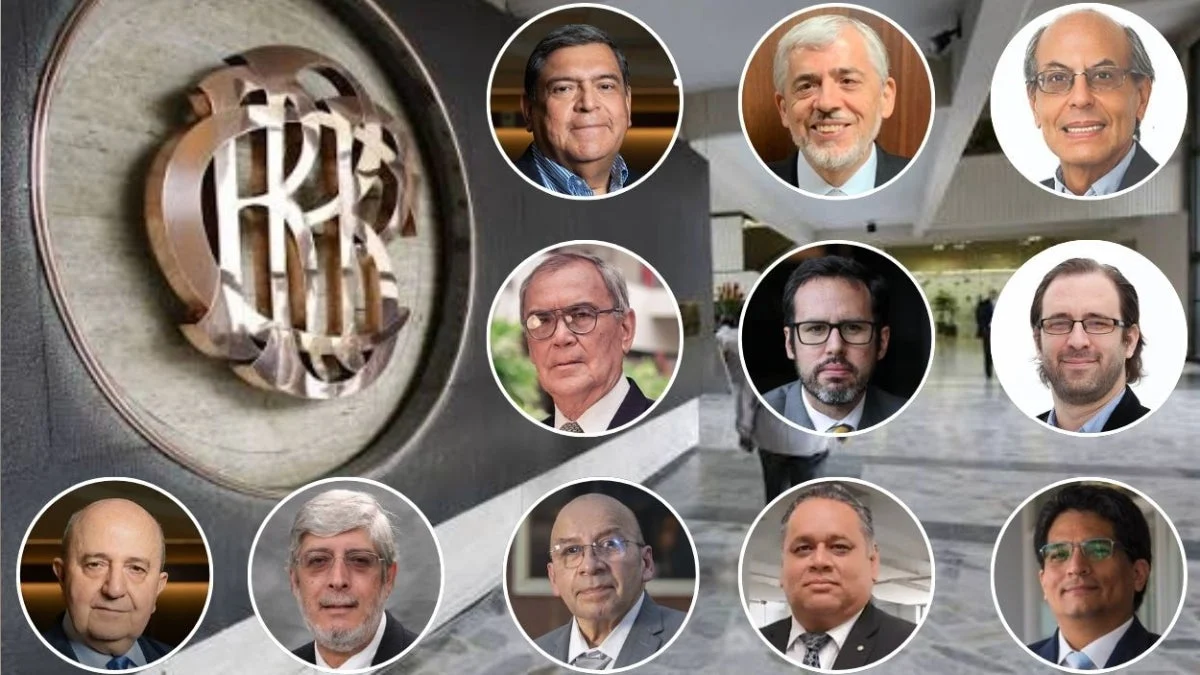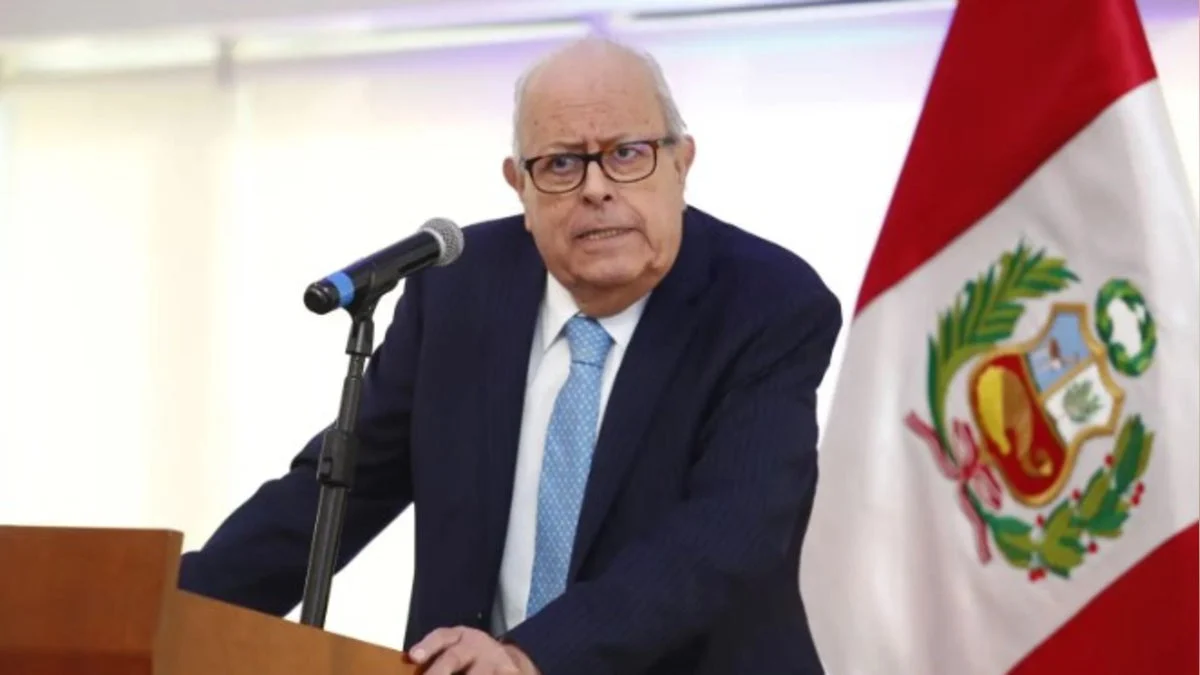
The trajectory of Peru’s monetary policy reached a significant milestone this week as the Senate’s Commission of Special Procedures voted in favor of ratifying Julio Velarde as the President of the Central Reserve Bank of Peru (BCR). With a decisive vote of nine in favor, two against, and one abstention, the commission has paved the way for the veteran economist to continue his stewardship of the nation’s primary financial institution. This development, while procedural, is widely viewed by international markets and domestic stakeholders as a crucial indicator of Peru’s commitment to institutional stability and fiscal prudence.
Main Facts: The Path to Confirmation
The commission’s session, presided over by Senator Hugo Ccahuana of the Juntos por el Perú party, marked the conclusion of the preliminary vetting process. Twelve senators participated in the vote, underscoring the high level of legislative scrutiny surrounding the position. Following this approval, the recommendation will now be elevated to the floor of the Senate for a full plenary debate and final vote.
Julio Velarde, who has become synonymous with the independence and technical rigor of the BCR, is seeking a new five-year mandate that would extend his tenure until 2031. For the ratification to be finalized, Velarde must secure a simple majority of the 60-member Senate, requiring at least 31 votes. The plenary session, which holds the ultimate authority on the appointment, has been formally scheduled for Wednesday, September 9, at 3:00 PM.
Chronology of the Nomination
The journey toward this legislative milestone began in earnest on August 21, when the Executive branch officially formalized Velarde’s nomination. This move was preceded by months of speculation regarding the leadership of the Central Bank, particularly amidst a complex landscape of political volatility in Lima.
- August 21: The Executive branch submits the formal proposal to the Senate, requesting the ratification of Julio Velarde for another five-year term.
- Early September: Velarde appears before the Commission of Special Procedures to defend his track record and outline his vision for the country’s monetary future. During this hearing, he fielded rigorous questions from lawmakers regarding inflation control, the management of international reserves, and the central bank’s role in the face of fluctuating commodity prices.
- September 7: The Commission of Special Procedures holds its decisive vote, with a 9-2-1 outcome signaling broad, though not unanimous, support within the committee.
- September 9: The scheduled date for the Senate Plenary session, where the final vote will determine the future of the BCR’s leadership.
Supporting Data: Why the Market Favors Velarde
The near-universal expectation of Velarde’s ratification is rooted in his long-standing reputation as a technocrat who has successfully shielded the BCR from the turbulent political cycles that have plagued Peru’s executive and legislative branches. Since first taking office in 2006, Velarde has navigated multiple administrations and various economic crises, including the global financial meltdown and the COVID-19 pandemic.
Inflation Targeting and Monetary Discipline
Under Velarde’s leadership, the BCR has maintained one of the most consistent inflation-targeting frameworks in Latin America. Despite external shocks, the bank has largely kept consumer price growth within its target range, a feat that has earned it high marks from international credit rating agencies like Moody’s, Fitch, and S&P.
International Reserves and Credibility
A core component of the discussions during the commission hearing was the management of Peru’s international reserves. Velarde has been a staunch advocate for maintaining high levels of liquidity, arguing that it serves as a critical buffer against global volatility. When challenged by lawmakers regarding the strategic allocation of these reserves—specifically regarding gold holdings—Velarde remained firm, reiterating that the BCR’s primary mandate is the stability of the currency, not the speculative trading of minerals.
Official Responses and Political Dynamics
The vote in the commission reflected the broader political polarization in the Senate. While the supporters of the ratification emphasize the need for continuity to reassure foreign investors and maintain the stability of the Peruvian Sol, the dissenters have raised questions regarding the duration of Velarde’s tenure. Some legislators have argued that a new cycle of leadership is necessary to address the evolving economic needs of the country, particularly regarding social inclusion and the promotion of credit to small and medium-sized enterprises (SMEs).
However, the consensus among the political center and the business community is that the cost of changing leadership at the BCR during a period of global economic uncertainty would be prohibitively high. The Executive branch, by nominating Velarde, has signaled its own prioritization of economic predictability over political realignment within the central bank.
Implications for the Future of Peru’s Economy
The impending Senate vote is more than a simple personnel confirmation; it is a signal to the global market about the trajectory of Peru’s economic policy.
1. Market Stability and Exchange Rates
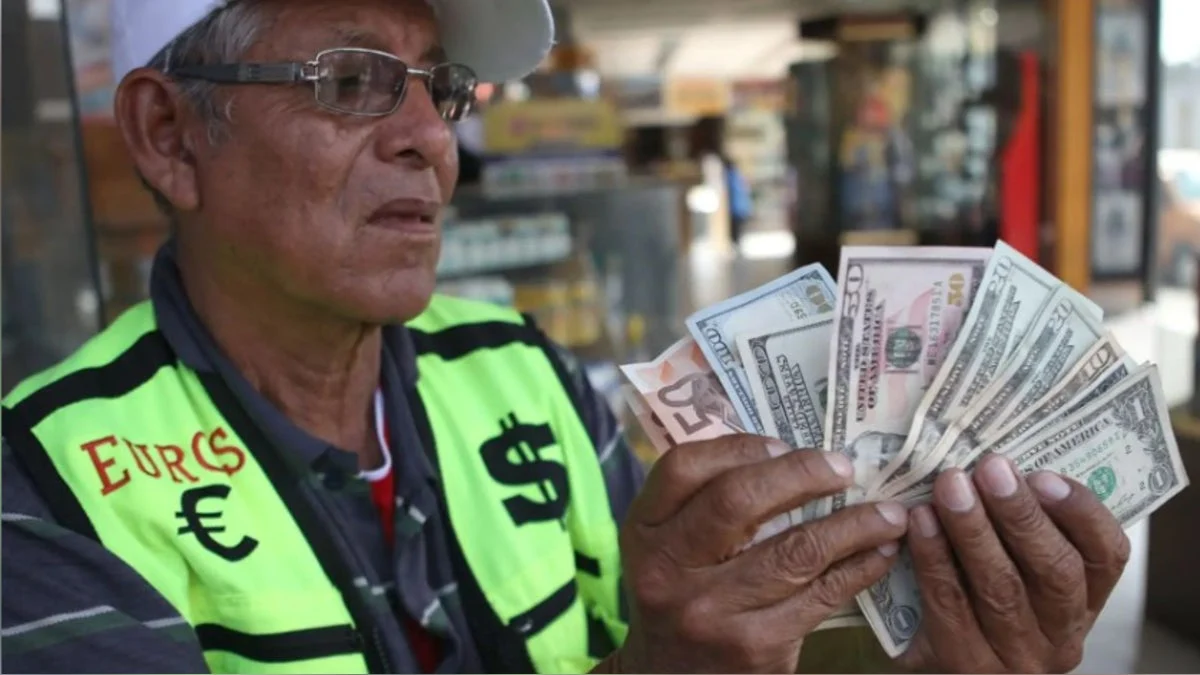
The Peruvian Sol has historically been one of the most stable currencies in the region, a fact heavily attributed to the market’s trust in the BCR’s autonomy. A failure to ratify Velarde would likely trigger a period of intense volatility in the foreign exchange markets and increase the country’s risk premium, as investors would perceive a threat to the institution’s independence.
2. Monetary Policy in an Era of High Interest Rates
As global central banks—most notably the U.S. Federal Reserve—manage the transition from high-interest-rate environments to more accommodative policies, Peru faces the delicate task of stimulating domestic growth without triggering inflationary spikes. Velarde’s experience is seen as essential for managing this "soft landing" for the Peruvian economy.
3. Institutional Integrity
The BCR stands as one of the few institutions in Peru that has retained its credibility across different governments. Its ability to remain insulated from the political fray is what allows it to function as the bedrock of the national economy. The ratification of Velarde would effectively solidify this institutional firewall, protecting the bank’s technical mandate for another five years.
4. Addressing Structural Challenges
Looking ahead to 2031, the BCR will need to address the structural challenges of the Peruvian economy, including the high level of informality in the labor market and the need for increased private investment. While the Central Bank cannot solve these issues through monetary policy alone, its role in ensuring a stable financial environment is a prerequisite for any long-term development strategy.
Conclusion: A High-Stakes Plenary
As the Senate prepares for the vote on September 9, all eyes will be on the 60 members of the chamber. The debate will likely be intense, mirroring the broader social and political tensions within the country. However, the approval by the Commission of Special Procedures provides a strong wind in the sails of the pro-ratification camp.
If confirmed, Julio Velarde will enter his next term with a mandate that is both legally sound and politically endorsed, albeit against a backdrop of high expectations. His tenure will continue to serve as the benchmark for institutional stability in a region often defined by economic unpredictability. For Peru, the result on Wednesday will be a decisive moment that defines whether the country chooses the path of technical continuity or ventures into a period of uncertainty regarding its most vital economic institution.
The markets are watching, the citizens are waiting, and the Senate now holds the responsibility of ensuring that the stewardship of the nation’s reserves remains in steady, experienced hands.