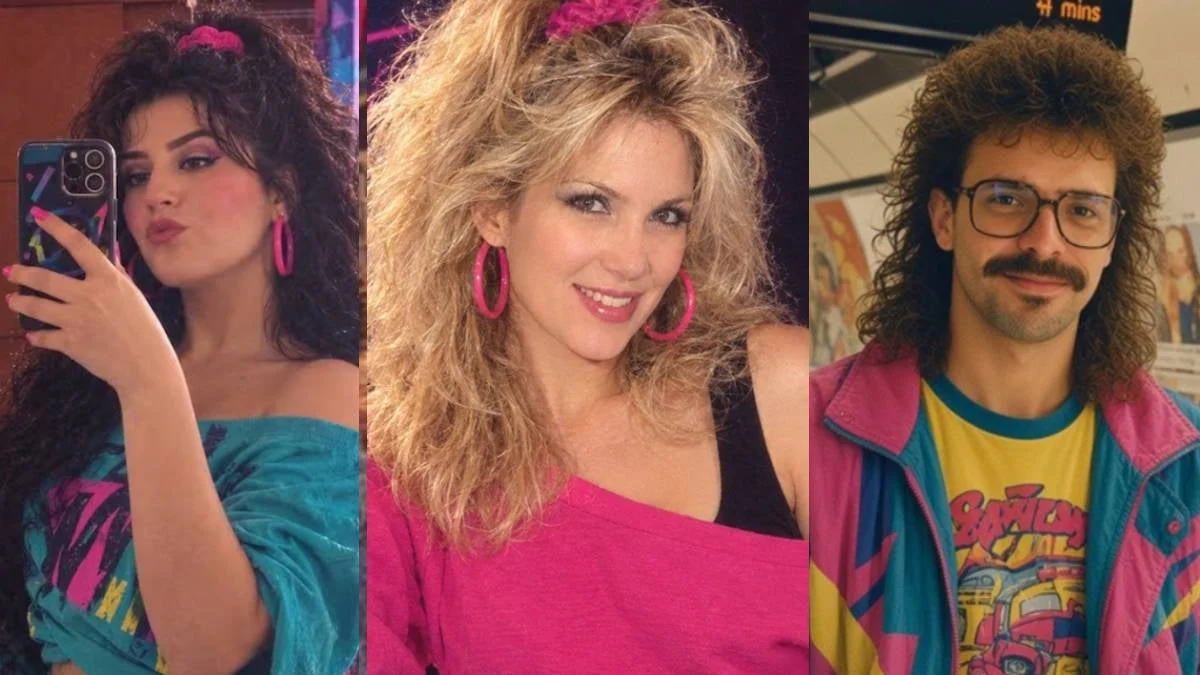
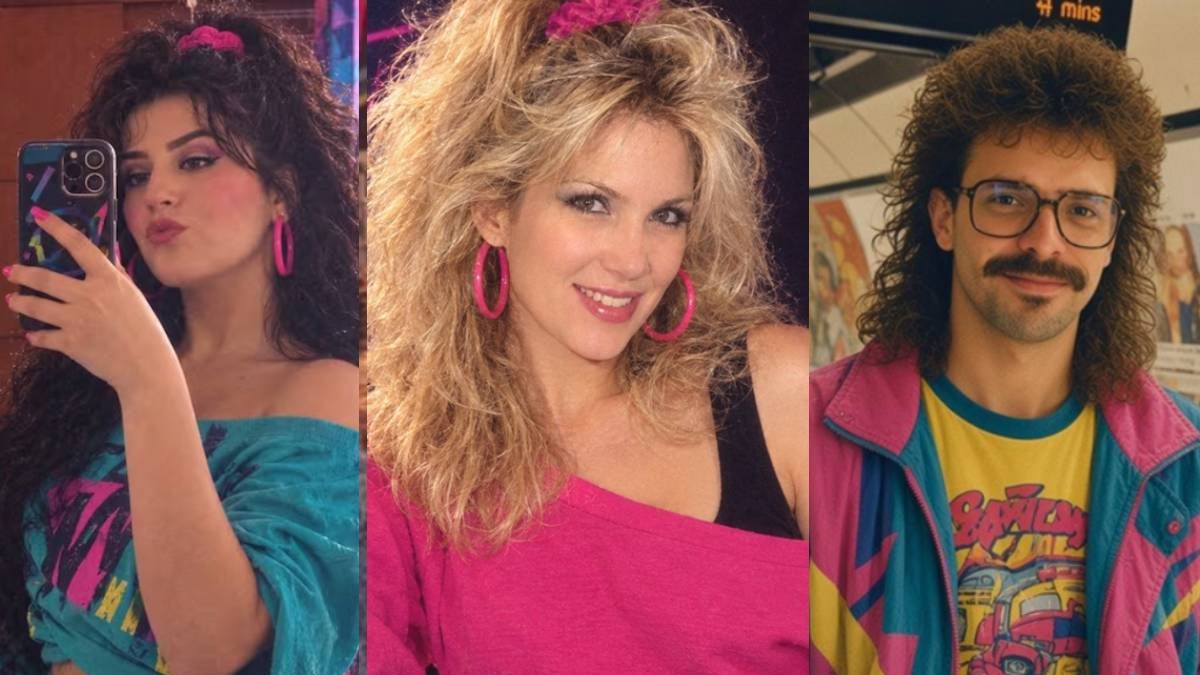
In an era defined by rapid technological advancement, the digital landscape has ironically turned its gaze backward. Over the past few weeks, a vibrant, neon-soaked trend has swept across platforms like Instagram, TikTok, and Facebook. Users everywhere are posting snapshots of themselves transformed into archetypes of the 1980s—sporting gravity-defying hair, electric-blue eyeshadow, and oversized denim jackets. This is not a resurgence of vintage fashion photography; rather, it is the latest manifestation of generative Artificial Intelligence (AI) reshaping our digital identities.
The trend, which invites users to "travel back in time" through their smartphone screens, has sparked a global conversation about the intersection of modern tech, nostalgia, and the preservation of personal identity.
The Anatomy of the Trend: Why the 80s?
The 1980s represent a cultural zenith for many, characterized by high-octane pop culture, the birth of modern digital music, and a bold, maximalist aesthetic that stands in stark contrast to the minimalist, curated feeds of modern social media.
The appeal is twofold. First, there is the undeniable allure of "retro-futurism." By placing a 2024 face into a 1987 context, users create a "what if" scenario that feels both intimate and surreal. Second, the technical capability of modern AI models has reached a point of accessibility where high-fidelity image transformation is available to the average user, requiring nothing more than a smartphone and a well-crafted prompt.
Chronology: From Niche Experiment to Viral Phenomenon
While AI-generated imagery has been a staple of the tech community for years, the path to this specific trend was paved by incremental shifts in accessibility:
- Early 2023: Generative models like Midjourney and DALL-E 3 gain widespread popularity. Early attempts at "period-accurate" generation were often marred by "uncanny valley" effects, where faces appeared distorted or alien.
- Late 2023: The emergence of "Image-to-Image" (Img2Img) technology allows users to upload their own photos as a reference base, rather than generating a human from scratch. This was the turning point for personal identity preservation.
- Early 2024: Dedicated AI apps begin offering "Retro Filters" powered by localized diffusion models. These apps streamlined the process, turning what was once a complex engineering task into a one-tap experience.
- Current Phase: The trend has reached a fever pitch. Influencers and casual users alike are now leveraging sophisticated prompting techniques to ensure their facial features remain intact while the AI reconstructs the "atmosphere" of the 1980s.
The Mechanics: How the Magic Happens
The core of this trend lies in "Diffusion Models." When a user uploads a photo, the AI does not simply add a filter; it deconstructs the image into noise and reconstructs it based on a vast dataset of 1980s photography.
The key to success, as many viral posters have discovered, is the prompt. To prevent the AI from "hallucinating" or changing the user’s face beyond recognition, specific instructions are required. Experts recommend focusing on "style transfer" rather than "image generation."
Mastering the Prompt
If you intend to participate, the following prompts are currently considered the "gold standard" for maintaining facial accuracy while achieving that retro aesthetic:
- The "Casual Snapshot" Approach: "Convert this photograph into an authentic, candid instant photo taken by friends in 1987. Maintain the precise facial features and identity of the subject. Adapt the hairstyle, makeup, clothing, and accessories to the 1987 era. The lighting should feel like film stock, slightly grainy and warm, with a spontaneous, imperfect composition."
- The "Studio Portrait" Approach: "Transform this portrait into a professional high-quality photograph from the mid-80s. Retain my exact facial structure and features. Update the wardrobe to include power-suit aesthetics or high-fashion 80s trends. The makeup should be period-accurate, featuring vibrant colors. Maintain the personality of the subject while shifting the decade."
Supporting Data: The Rise of AI Engagement
Social media analytics firms have noted a significant uptick in "AI-generated engagement." Posts containing the "80s-AI" tag have seen an average engagement rate 40% higher than standard personal photos. This indicates that users are not just viewing these images; they are actively commenting, sharing, and—most importantly—asking, "How did you do that?"
This viral feedback loop has caused a surge in the download rates of generative AI apps. According to recent market reports, app store categories for "AI Art" and "Photo Editing" have seen a 25% increase in traffic since the trend began, proving that nostalgia is a powerful driver for technology adoption.
Official Responses and Ethical Considerations
As with any trend involving the manipulation of personal likeness, the movement has drawn commentary from tech ethicists and privacy advocates.
In a recent press statement regarding the surge of AI-generated content, representatives from several major social media platforms emphasized the importance of transparency. "We encourage creativity," the statement read, "but we also recognize the responsibility of users to understand that these tools operate on vast datasets. We advise users to ensure they are using platforms with robust privacy policies that do not claim ownership over the raw facial data uploaded."
Furthermore, cybersecurity experts have issued warnings regarding "free" AI apps. They suggest that users should carefully review the terms of service to see if their uploaded images are being used to train future iterations of the AI models. In the digital age, a "free" service often implies that the user’s data is the currency.
Implications: The Future of Digital Identity
The 80s AI trend is more than just a fleeting moment of fun; it represents a fundamental shift in how we view our digital archives. We are moving toward a future where our personal photos are "malleable."
The Implications for Personal Archives
If we can turn our 2024 selves into 1980s versions, what does that do to our concept of history? Historians and sociologists have begun to debate whether this trend "dilutes" the authenticity of our personal history. If our social media feeds become filled with synthetic versions of our past, do we lose the tangible reality of the present?
The Creative Evolution
Conversely, artists argue that this is a democratization of creativity. People who lacked the technical skills to edit photos, use Adobe Photoshop, or understand complex film techniques can now express their stylistic preferences through the medium of AI. It allows for a new form of digital storytelling where the individual is the protagonist in any decade they choose.
Conclusion: Riding the Neon Wave
The 1980s were a time of rapid technological optimism—the dawn of the personal computer and the explosion of global media. It is fitting, then, that we are using the most advanced technology of our time to pay homage to the decade that laid the groundwork for our digital world.
As you look through your own feed, you will likely see more neon, more hairspray, and more synth-wave aesthetics. Whether you choose to jump on the trend or simply observe from the sidelines, one thing is certain: the line between the reality of our past and the synthetic potential of our future has never been thinner.
If you decide to join the movement, remember to prioritize your privacy, choose your tools wisely, and—above all—have fun with the nostalgia. After all, the 80s were never really about being perfect; they were about being bold. And thanks to AI, we can all be a little bit bolder, one pixel at a time.