Introduction: A Nation Under Siege
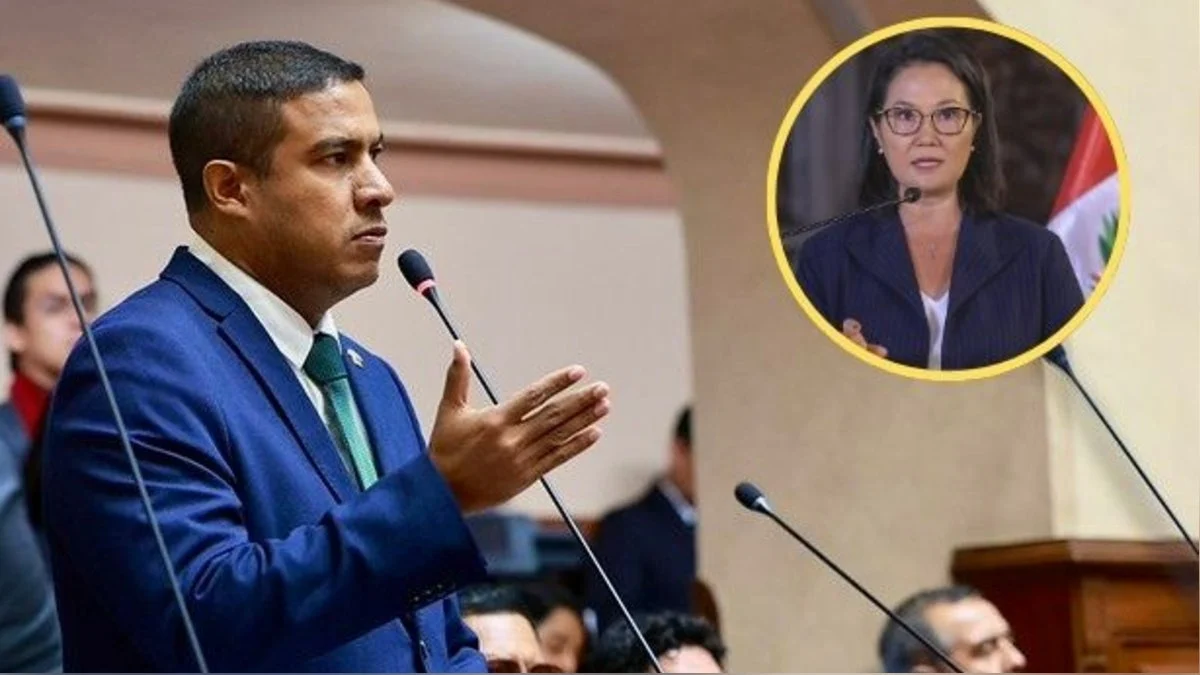
The security landscape in Peru has reached a critical juncture, prompting fierce political backlash against the administration of President Keiko Fujimori. As criminal organizations tighten their grip on urban centers, the human cost of this unchecked violence has become impossible to ignore. Ernesto Zunini, a prominent deputy and spokesperson for the Juntos por el Perú (JPP) bench, has officially characterized the government’s response to the escalating wave of crime as "erratic," signaling a deepening divide between the Executive branch and the legislative opposition.
The urgency of the situation is underscored by staggering statistics. Since July 28, the country has recorded over 166 homicides, a figure that serves as a grim indictment of current public safety policies. Perhaps most alarming is the method of these crimes: over 70% were perpetrated using firearms, highlighting the proliferation of illicit weaponry and the increasing lethality of criminal actors operating with perceived impunity.
The Core of the Controversy: A Failure of Strategy
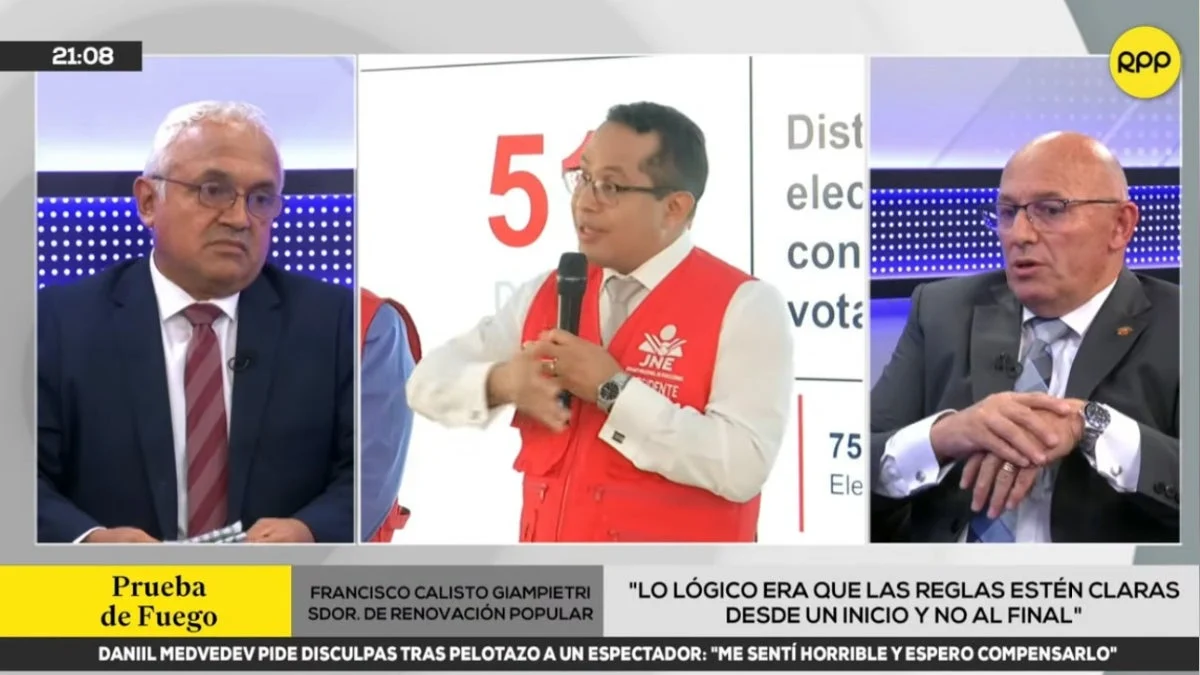
In a recent appearance on the RPPTV program Prueba de Fuego, Deputy Zunini articulated the frustrations of many citizens who feel abandoned by state institutions. "We expected—because that was the implication—that there would be more concrete responses regarding citizen security," Zunini stated. His critique strikes at the heart of the current administration’s methodology, which he describes as disjointed and reactive rather than proactive.
The JPP spokesperson emphasized that the revolving door of leadership within the National Police of Peru (PNP) is merely a cosmetic solution to a structural catastrophe. The recent resignation of Óscar Arriola as Commander General of the PNP has become a flashpoint for this debate. Zunini expressed profound disappointment that such a pivotal leadership change originated from Arriola himself rather than a strategic mandate from President Fujimori. This, according to the opposition, proves that the administration lacks a coherent vision for reform and is merely reacting to the fallout of a failing system.
Chronology of Escalating Insecurity
To understand the current impasse, one must look at the timeline of events that have led to the present crisis:
- July 28: The current administration takes office, setting the baseline for the current administration’s accountability regarding security metrics.
- August – September: A steady climb in violent criminal incidents is reported across major provinces. Public perception of safety plummets as extortion and organized crime begin to dominate news cycles.
- Early October: Mounting pressure from civil society and opposition leaders forces the government to address the security portfolio.
- Mid-October: Commander General Óscar Arriola announces his resignation, citing personal reasons, which triggers widespread speculation regarding internal fractures within the Ministry of the Interior.
- Late October: Freddy López Mendoza is appointed as the new Chief of the PNP. JPP and other opposition groups demand an immediate presentation of his tactical plans before the Chamber of Deputies.
Supporting Data: The Anatomy of Violence
The data provided by Zunini’s office serves as a clarion call for policy reform. The 166+ homicides reported since late July are not merely numbers; they represent a breakdown in the state’s monopoly on violence.
The Proliferation of Firearms
The fact that over 70% of these homicides involved firearms is a critical data point for security analysts. It suggests that:
- Supply Chain Failures: There is a failure to control the influx of illegal firearms through national borders and black-market channels.
- Tactical Advantage: Criminal gangs are better equipped than local police forces in many districts, creating a "firepower gap" that renders traditional patrol methods obsolete.
- Urban Warfare: The high percentage indicates that these are not crimes of passion but calculated hits, characteristic of organized crime syndicates vying for territorial control.
Official Responses and Parliamentary Demands
The appointment of Freddy López Mendoza as the new PNP chief has been met with a mix of cautious professional courtesy and intense scrutiny. Deputy Zunini, while wishing the new commander success, made it clear that "the change of a general does not in itself represent a change in strategy."
The Call for Interpellations
The Juntos por el Perú bench has confirmed that they will use their position within the Board of Spokespersons to force the issue. They are pushing for extraordinary plenary sessions to debate the motions of interpellation against:
- Minister of Defense, Rafael Belaúnde: Charged with explaining the lack of coordination between military assets and police operations.
- Minister of the Interior, César Astudillo: Held responsible for the operational failure of the PNP to contain the rise in homicides.
Zunini criticized past parliamentary hearings as "brief" and performative, lacking the depth of investigation required to hold ministers accountable. "The ministers must answer to the full Chamber of Deputies," he asserted, arguing that the practice of evading repreguntas (follow-up questions) is an affront to the legislative branch’s fiscalization powers.
Implications: A Crisis of Governance
The political implications of this security crisis are profound. If the Fujimori administration fails to provide a viable roadmap for curbing organized crime, it risks losing the confidence of the legislative branch, which could lead to a vote of no confidence against the cabinet.
Strategic Deficiencies
Zunini’s argument is that the government is confusing "management" with "leadership." Replacing the police chief is a management decision; creating a comprehensive strategy to dismantle criminal networks is a leadership decision. The current administration has focused on the former, leaving a vacuum where a coherent anti-crime policy should exist.
The Role of the Legislative Branch
The JPP’s aggressive stance highlights a broader trend in Peruvian politics where the legislative branch is increasingly utilizing its constitutional powers to check the Executive. By demanding transparency and specific tactical plans from the new PNP leadership, the opposition is attempting to force the government into a corner where it can no longer rely on vague rhetoric.
Conclusion: The Road Ahead
The citizens of Peru are waiting for more than just rhetoric. They are waiting for a tangible reduction in violence that allows them to live without the constant fear of extortion or lethal violence. As Deputy Ernesto Zunini and the Juntos por el Perú bench continue to press for answers, the pressure on President Keiko Fujimori will only increase.
The upcoming plenary sessions will be the ultimate test of the administration’s resilience. If Ministers Belaúnde and Astudillo cannot provide a compelling, data-driven strategy to curb the use of illegal firearms and dismantle organized criminal networks, the political fallout could be severe.
Security is the foundational pillar of any democracy. When the state fails to provide it, the social contract begins to fray. The coming weeks will determine whether the Fujimori government can pivot from its "erratic" path toward a unified, effective national security strategy, or if the country will continue to descend into a state of chronic, violent instability. The eyes of the nation are fixed on the Chamber of Deputies, where the next chapter of this crisis will be written.