Introduction: A Strategic Intervention for Social Harmony
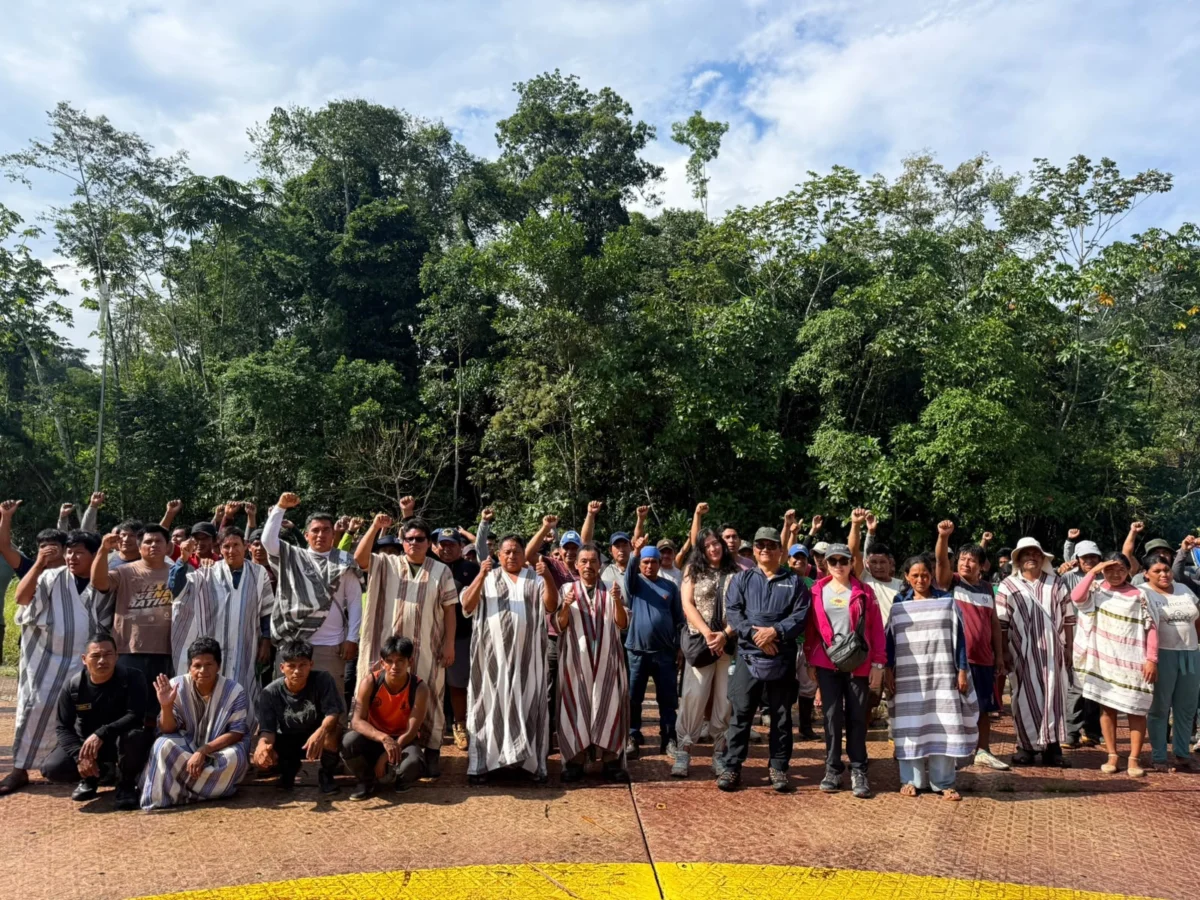
In a significant effort to maintain social stability and address critical infrastructure gaps, the Peruvian Ministry of Energy and Mines (MINEM), through its General Office of Social Management (OGGS), recently conducted a high-stakes field mission to the Native Community of Carpintero-Kirigueti. Located in the heart of the Camisea region—the epicenter of Peru’s natural gas industry—this community serves as a vital stakeholder in the nation’s energy landscape.
The intervention, which took place in early September, underscores the government’s commitment to proactive conflict prevention. By acting as a mediator between the indigenous leadership and Pluspetrol, the operator of the Camisea project, the MINEM aims to ensure that the development of hydrocarbon resources translates into tangible, long-term benefits for the local population.
Chronology of the Intervention
The diplomatic mission followed a period of rising concern regarding service reliability and community expectations. The timeline of the engagement reflects a structured approach to grassroots conflict resolution:
- September 6, 2026: A specialized team from the OGGS arrived at the Nuevo Mundo Aerodrome. From this strategic hub, the team deployed directly into the territory within the Megantoni district, La Convención province, Cusco.
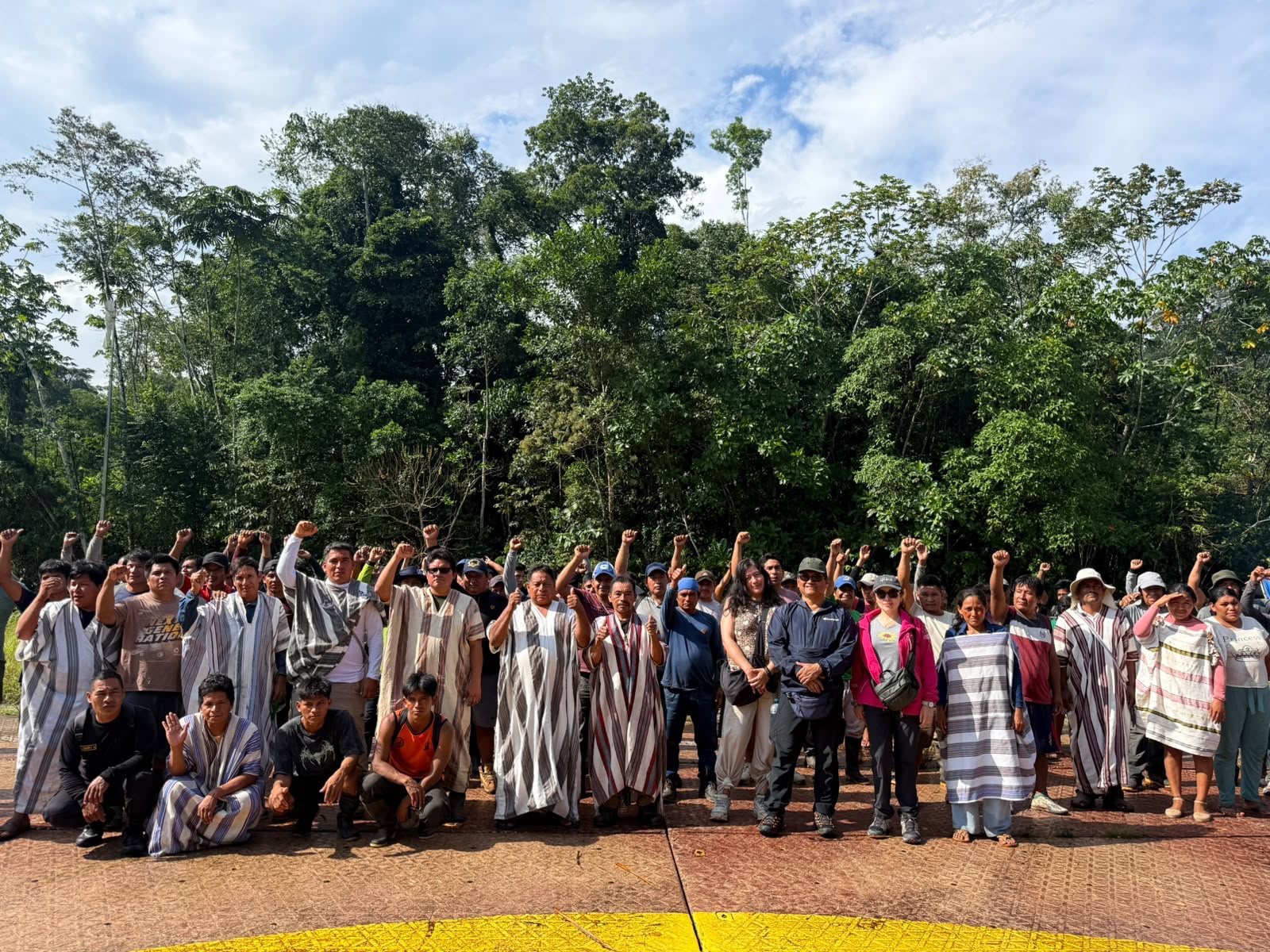
- Initial Engagement: Upon arrival, the MINEM delegation immediately established contact with the community leadership, led by Walter Dalguerre. The mission prioritized face-to-face meetings with members stationed at the Mipaya platform.
- The Dialogue Phase: Throughout the day, the government team facilitated sessions to document the grievances of the community. The focus was on identifying the core "pain points" affecting the community’s quality of life.
- Consensus Building: By the end of the day, the OGGS successfully secured a commitment from the community leaders to prioritize dialogue over unilateral actions, creating a pathway for formal negotiations with Pluspetrol.
Main Facts: The Core of the Dispute
The central issue brought to the table by the Carpintero-Kirigueti community revolves around the "Energy Gap." While the region sits atop one of the most significant gas reserves in South America, the local community faces severe limitations in their own access to electricity.
The Power Paradox
Currently, the community relies on energy supplied from the Malvinas plant. However, this supply is neither continuous nor reliable. Data gathered during the dialogue indicates that the community only receives electricity for two to three days per week. The community’s demand is clear and non-negotiable: a transition to a 24/7 stable energy service.
For the people of Carpintero-Kirigueti, this is not merely a request for convenience; it is a fundamental requirement for education, health, and economic development. The lack of constant power hinders refrigeration for medical supplies, limits school hours for children, and restricts the ability of local businesses to operate effectively.
Supporting Data: Why Energy Access Matters
To understand the gravity of this situation, one must look at the broader context of the Megantoni district. This region is a complex ecosystem where indigenous traditional knowledge meets heavy industrial infrastructure.
Socio-Economic Impact
- Educational Disparity: Without reliable electricity, the community’s ability to integrate digital tools into the classroom is nonexistent, further widening the educational gap between rural Cusco and urban centers.
- Health Infrastructure: Medical posts in the region require consistent power for the "cold chain," necessary to store vaccines and essential medicines. Intermittent power puts public health at risk.
- Economic Autonomy: The transition to a more modernized economy requires electricity. Whether it is agricultural processing or small-scale commerce, the current two-to-three-day supply cycle is a bottleneck that prevents local entrepreneurship.
Official Responses and Stakeholder Positions
The Role of MINEM (OGGS)
The Ministry of Energy and Mines has positioned itself as more than just a regulatory body; it is now an active facilitator. By inserting the OGGS into the conversation, the state is signaling that it will no longer allow corporate-community disputes to escalate into unmanaged conflicts. The ministry’s official stance emphasizes "Social Peace"—the idea that industrial progress is only sustainable when local communities are treated as primary beneficiaries.
The Community’s Mandate
Walter Dalguerre, representing the community, has made the following requests to the Ministry:
- Corporate Accountability: That Pluspetrol designate high-level representatives to hold direct, in-person meetings in the community.
- Institutional Oversight: That the OGGS remain as a permanent facilitator and guarantor of any agreements reached.
- Infrastructure Investment: A clear timeline for the upgrade of electrical infrastructure to guarantee a 24-hour service.
Pluspetrol’s Perspective
While Pluspetrol has not yet issued a public manifesto regarding the specific demands of the Carpintero-Kirigueti community, the company’s history in the region suggests a reliance on standard Social Responsibility (SR) frameworks. The pressure now rests on the company to move beyond traditional SR metrics and align its operational footprint with the specific, urgent utility needs of its immediate neighbors.
Implications: The Path Toward Sustainable Development
The intervention in Carpintero-Kirigueti serves as a case study for the "New Social Contract" in the Peruvian Amazon. Several implications emerge from this event:
1. The Shift from Reactive to Proactive Management
The fact that the MINEM arrived on the ground before the conflict could paralyze operations is a positive shift in policy. By deploying the OGGS, the government is attempting to preempt the "blockade culture" that has historically defined extractive industry disputes in Peru.
2. Closing the "Camisea Gap"
There is a growing national discourse regarding the "Camisea Gap"—the discrepancy between the immense wealth extracted from the region and the living conditions of the local indigenous populations. This event forces a reckoning: if a company can extract gas from beneath the feet of a community, it carries a moral and social obligation to ensure that community has access to the energy derived from those resources.
3. Strengthening Local Governance
The community’s request for the Ministry to act as a witness and facilitator shows a high level of institutional maturity. They are utilizing state mechanisms to ensure their voices are heard, which is a significant departure from more radical forms of protest.
Conclusion: A New Standard for Energy Projects
The situation in Carpintero-Kirigueti is far from resolved, but the foundation for a productive dialogue has been laid. The coming months will be critical. If Pluspetrol and the MINEM can deliver on the request for 24/7 electricity, it will not only resolve a local dispute but will also set a standard for how extractive industries should treat the communities that inhabit their areas of influence.
The MINEM’s commitment to "closing energy gaps" is being put to the test. In the vast, complex, and often challenging terrain of the Amazon, the lightbulbs in the homes of the Carpintero-Kirigueti people will serve as the most accurate metric of whether this dialogue was a success or merely a temporary reprieve.
As the dialogue continues, all eyes remain on the Ministry of Energy and Mines to see if they can effectively leverage their influence to turn these community demands into a reality. The goal is simple yet transformative: to ensure that the energy powering the nation also powers the homes of those who live at the source of that power.