Introduction: A Strategic Bid for Global Labor Leadership
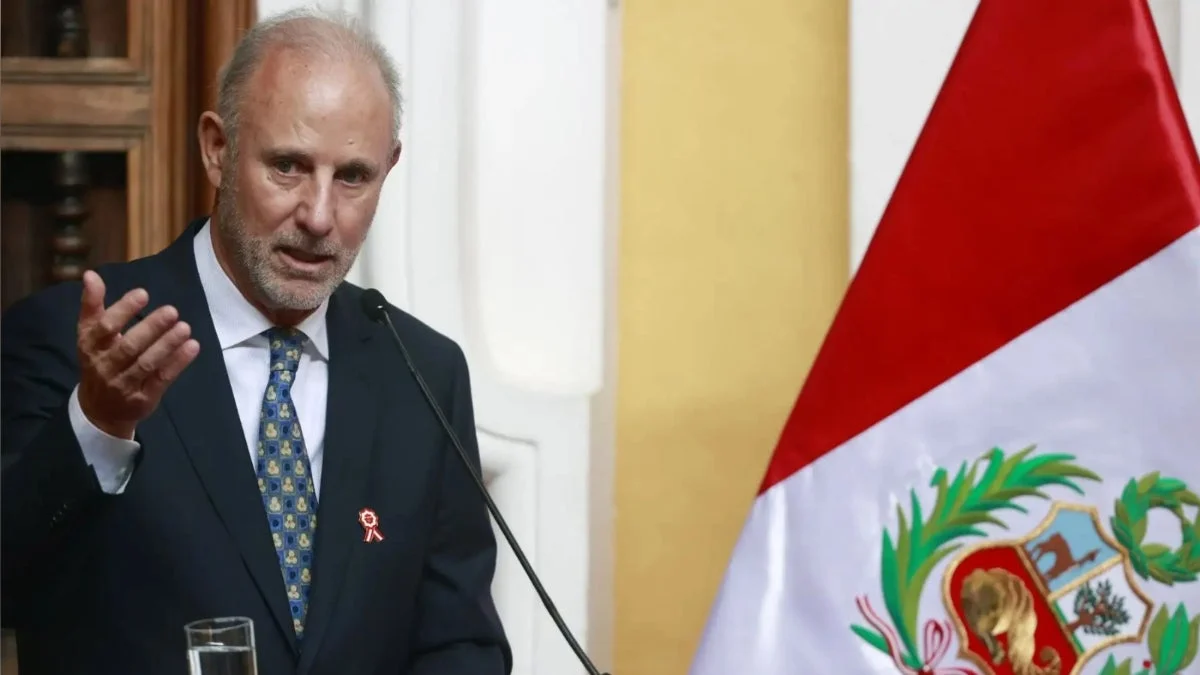
In a significant move for Peruvian diplomacy and international standing, the government of President Keiko Fujimori has officially announced the candidacy of former Foreign Minister Javier González-Olaechea for the position of Director-General of the International Labour Organization (ILO) for the 2027–2032 term. This nomination marks a historic moment for Peru, as it represents the first time a Peruvian national has been formally put forward to lead this specialized United Nations agency, which dictates the labor standards and policies for 187 member states.
The announcement, received with enthusiasm by the private sector and various diplomatic circles, positions González-Olaechea—a seasoned diplomat and expert in international relations—at the center of a global campaign to helm the tripartite body that bridges the interests of governments, employers, and workers worldwide.
Main Facts: The Profile of a Diplomatic Strategist
Javier González-Olaechea is not a newcomer to the complexities of international governance. During his tenure as Peru’s Minister of Foreign Affairs, he gained a reputation for being a firm proponent of multilateralism, pragmatic diplomacy, and the modernization of institutional frameworks. His candidacy is built upon three pillars:
- Diplomatic Acumen: Having navigated the intricacies of Peruvian foreign policy during a period of global economic volatility, González-Olaechea has demonstrated an ability to build consensus among ideologically diverse nations.
- Technical Familiarity: His deep understanding of the ILO’s mechanisms and the broader UN ecosystem allows him to hit the ground running. He has long championed the idea that labor standards must evolve to meet the realities of the digital economy and the informal sectors that dominate the Global South.
- A Vision for Social Dialogue: His public rhetoric has consistently emphasized "tripartism"—the core principle of the ILO—as the only viable path to sustainable development. He advocates for a labor agenda that balances productivity with social protection.
If successful, González-Olaechea would oversee an organization currently grappling with the challenges of the "Future of Work" initiative, the integration of artificial intelligence into the workforce, and the ongoing struggle to eliminate forced and child labor globally.
Chronology of the Candidacy
The path to this nomination began in the corridors of the Peruvian Ministry of Foreign Affairs and involved a rigorous vetting process within the executive branch.
- Early 2024: Discussions regarding Peru’s potential role in international multilateral bodies began to gain traction. The government identified the upcoming vacancy at the ILO as a prime opportunity to elevate Peru’s geopolitical profile.
- Mid-2024: Javier González-Olaechea’s record as Chancellor was assessed against the requirements of the ILO Director-General role. His ability to negotiate in multilateral forums—such as the Organization of American States (OAS) and the UN General Assembly—was deemed a key asset.
- Late 2024: The formal decision to nominate him was solidified. Consultations were held with key social partners, including the Confederación Nacional de Instituciones Empresariales Privadas (Confiep), to ensure the candidate held the confidence of the private sector, a vital stakeholder in the ILO structure.
- November 2024: The official launch of the candidacy, signaling the start of a multi-year campaign to secure the support of the ILO’s Governing Body.
Supporting Data: Why the ILO Matters
The ILO is the oldest specialized agency of the UN, established in 1919 in the wake of the First World War. It is unique in its structure, bringing together representatives of governments, employers, and workers to set international labor standards.
- Global Reach: With 187 member states, the ILO creates conventions that serve as the blueprint for domestic labor laws globally.
- The 2027-2032 Mandate: The next Director-General will face a critical window. By 2027, the global workforce will be significantly altered by automation, the transition to green energy, and the post-pandemic shifts in remote working arrangements.
- Peru’s Strategic Interest: By pushing for a Peruvian at the helm, Lima is signaling a shift toward a more proactive role in international governance. This is not merely a symbolic gesture; it is an attempt to ensure that the perspective of Latin American emerging economies—which often grapple with high rates of informal labor—is represented at the highest levels of UN decision-making.
Official Responses and Stakeholder Perspectives
The View from the Private Sector
The Confiep has been the most vocal supporter of the nomination. In an official statement, the organization highlighted that González-Olaechea’s background is uniquely suited to the ILO’s mission. "Confiep expresses its greeting and support for the government’s decision," the statement read. The business leaders emphasized that a leader with a balanced approach—one who understands the necessity of business competitiveness alongside worker rights—is essential for the stability of global markets.
The Diplomatic and Political Consensus
Beyond the private sector, the nomination has been framed as a "state policy" rather than a partisan endeavor. Political analysts suggest that by nominating a former Foreign Minister, the Fujimori administration is attempting to project an image of stability and continuity. The call for national unity in support of the candidacy suggests that the government recognizes that for such a bid to succeed, it must be perceived as the choice of a nation, not just a ruling party.
Challenges and Criticisms
While support is broad, the road to Geneva is notoriously difficult. The ILO Director-General position is highly contested, often drawing candidates from European nations, the Global South, and former UN officials. Critics or skeptics may point to the need for a candidate who can navigate the fierce competition between the "Global North" and "Global South" blocs within the UN. González-Olaechea will need to demonstrate that he is a consensus candidate, capable of bridging these regional divides.
Implications: A New Era for Peruvian Diplomacy
The nomination of Javier González-Olaechea has profound implications for Peru’s foreign policy and its standing in the international community.
1. Strengthening Soft Power
A successful bid would exponentially increase Peru’s soft power. Leading a major UN agency provides a country with a seat at the table in virtually every significant international economic negotiation. It elevates the prestige of the Peruvian diplomatic corps and signals that the country has reached a level of institutional maturity capable of managing global governance bodies.
2. Influencing Global Labor Standards
If elected, González-Olaechea could shift the focus of the ILO toward the issues most pressing for developing nations: the transition from the informal to the formal economy, the impact of climate change on agricultural labor, and the protection of gig workers. His experience as an academic and a diplomat suggests he would likely focus on "technical diplomacy," prioritizing data-driven solutions over purely ideological posturing.
3. Domestic Labor Policy
The candidacy also puts a spotlight on Peru’s own labor market. To be a credible candidate, the nominee must represent a country that is making genuine efforts to improve its own labor standards. This creates a "virtuous cycle" wherein the campaign itself may pressure the Peruvian government to implement more robust labor reforms domestically to align with the standards the candidate will be expected to champion globally.
Conclusion: The Path Forward
The campaign for the 2027–2032 ILO Director-General term will be a test of endurance and diplomatic skill. As Javier González-Olaechea prepares to present his platform to the ILO Governing Body, the international community will be watching to see how he addresses the tension between economic growth and social justice.
For Peru, this nomination is an ambitious statement of intent. It reflects a nation moving beyond internal political cycles and seeking a larger role in the shaping of the international order. Whether or not he secures the post, the mobilization of political, economic, and social sectors in support of this candidacy is, in itself, a significant development in the trajectory of contemporary Peruvian governance.
As the months progress toward the selection date, the focus will shift from the domestic support for the candidate to his ability to articulate a vision that resonates with 187 different nations. It is a daunting challenge, but one that the Peruvian government clearly believes is within reach for a diplomat of González-Olaechea’s experience and stature. The coming years will reveal if this bold move serves as a catalyst for a new chapter in Peru’s global presence.
Source: Reported by Agencia Andina. Edited and expanded for professional analysis.