In a delicate balancing act that characterizes the current state of the Peruvian economy, the August 2026 inflation report from the National Institute of Statistics and Informatics (INEI) has painted a picture of contrast. While the cost of living in Metropolitan Lima saw a marginal increase of only 0.07%—a significant deceleration compared to the preceding months of June (0.23%) and July (0.29%)—the underlying economic pressures remain formidable.
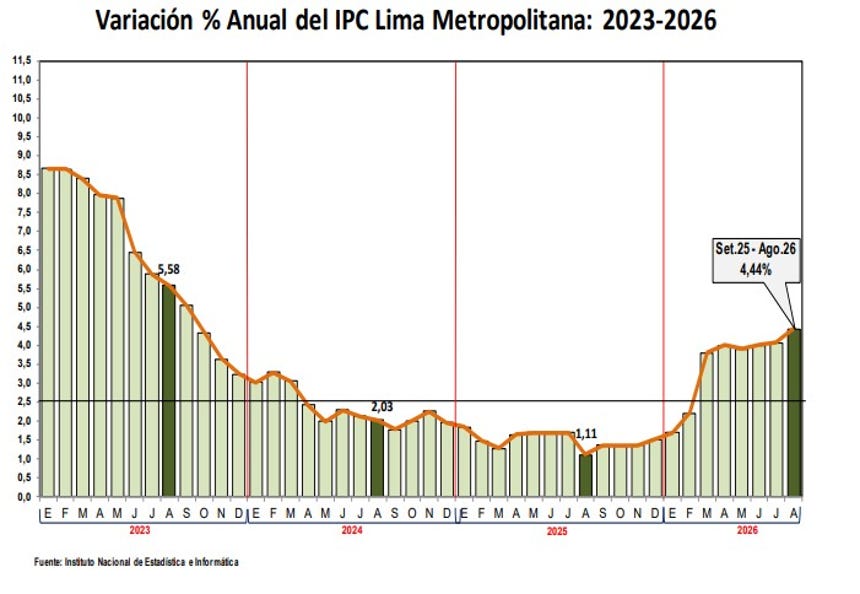
The primary driver behind this temporary stabilization was a sharp 8% collapse in the price of eviscerated chicken. This unexpected deflation in the poultry sector served as a critical buffer against rising utility costs, effectively neutralizing what would have otherwise been a more aggressive spike in the consumer price index. Despite this, the cumulative inflation for the first eight months of 2026 stands at 4.16%, a figure that continues to frustrate efforts to bring the economy back within the Central Reserve Bank’s (BCR) target range of 1% to 3%.
The Chronology of 2026: A Volatile Economic Trajectory
To understand the current economic sentiment, one must look at the erratic path inflation has taken throughout the year. The year began with a deceptively calm January, recording a modest 0.10% increase. However, the stability was short-lived. February saw an acceleration to 0.69%, setting the stage for a dramatic rupture in March, when inflation spiked to a staggering 2.38%.
The March crisis was primarily triggered by external supply shocks and localized surges in fuel and gas prices. The energy index experienced a historic leap, with gasohol prices jumping from an index level of 91.66 in February to 119.99 in March. This period of volatility set the tone for the remainder of the year, as policymakers struggled to reconcile global energy market fluctuations with the domestic need for price stability.
Following the March peak, the economy entered a phase of stabilization efforts. However, the data for August confirms that while the rate of growth has slowed, the "cost-of-living" burden remains high. The annual inflation rate (September 2025 to August 2026) has climbed to 4.44%, marking the third consecutive month that the index has remained trapped above the 4% barrier. This persistent ceiling highlights the structural challenges facing the Peruvian economy as it attempts to move away from the post-pandemic inflationary hangover.
Dissecting the Basket: Where the Pressures Lie
The August report from the INEI provides a granular look at the forces currently pulling the economy in opposite directions.
The Chicken Effect: A Culinary Buffer
The division of "Food and Non-Alcoholic Beverages" recorded a monthly decrease of -0.66%. This decline was fueled almost entirely by the poultry industry. The 8.4% drop in the price of eviscerated chicken, along with significant price reductions in popular cuts such as breasts, wings, and legs, provided a negative incidence of -0.141 percentage points on the general index. Analysts attribute this to improved supply chain efficiencies and an increase in the average weight of farm-raised birds, which has flooded the market with supply.
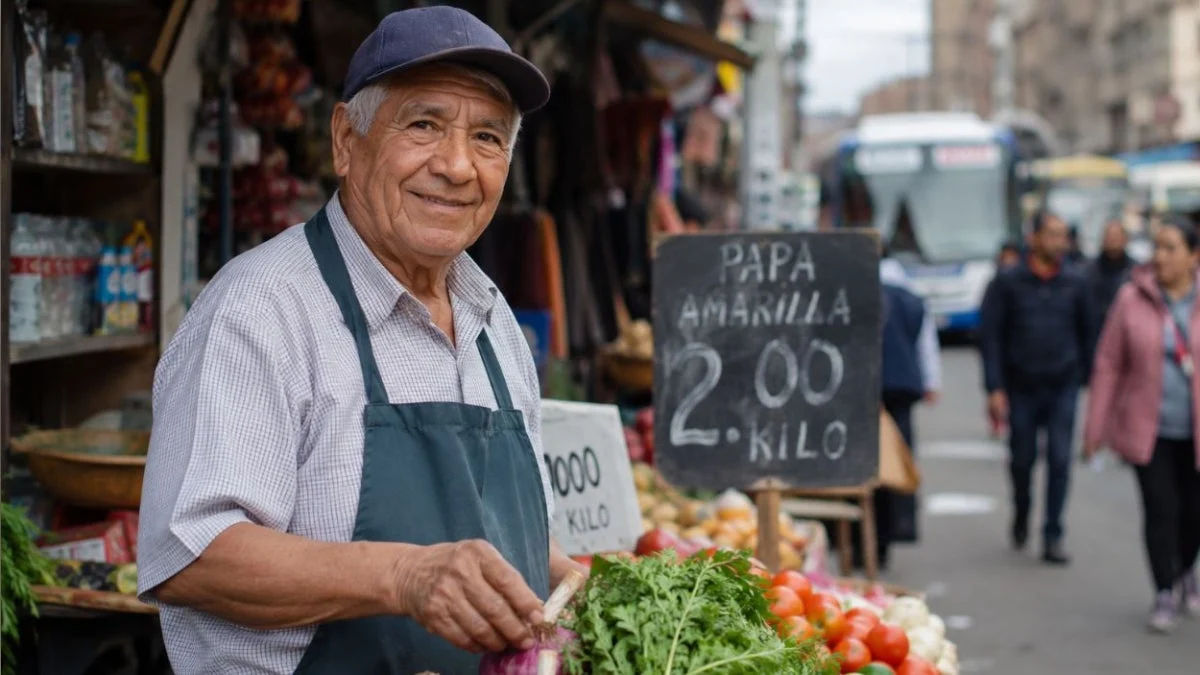
Furthermore, the fruit sector provided additional relief. A seasonal glut led to a 2.2% average price drop, led by blueberries (-20.3%), mangoes (-10.3%), and papayas (-8.5%). These agricultural deflationary trends were the unsung heroes of the August report, preventing the index from entering deeper positive territory.
The Energy Squeeze: Utilities and Transport
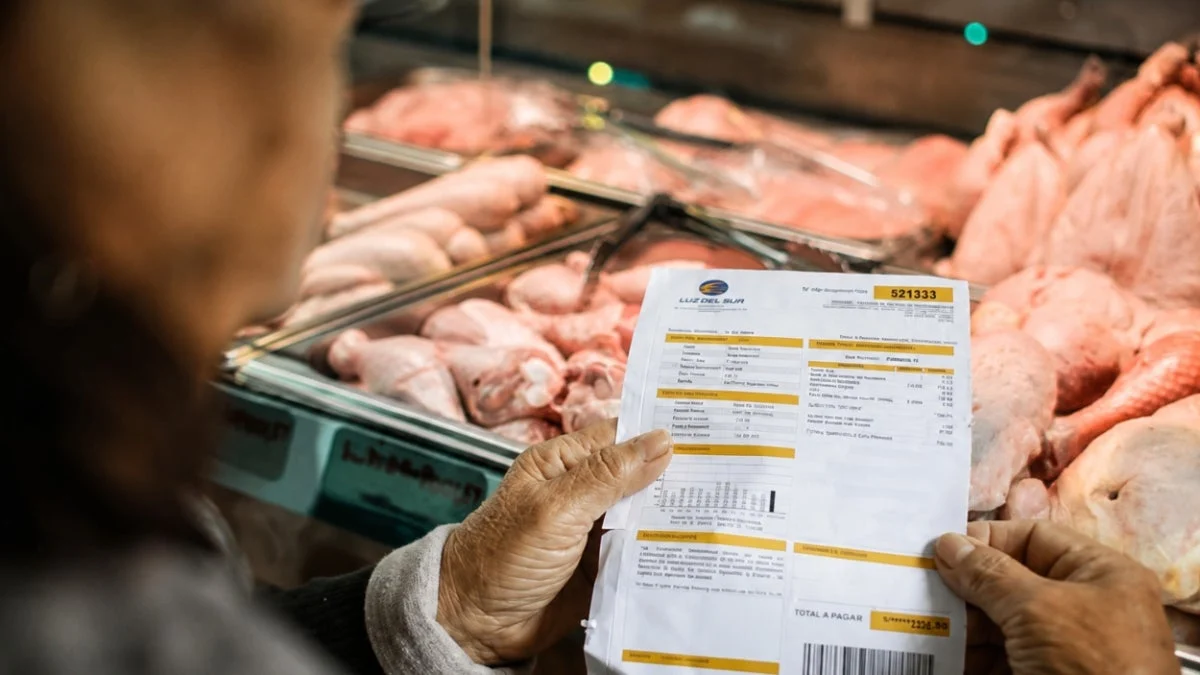
Conversely, the "Housing, Water, Electricity, Gas, and Other Fuels" category saw a 0.87% increase. The primary culprit was the 4% tariff hike for residential electricity that took effect on August 4th, 2026. This adjustment, necessary due to rising generation costs in the power sector, contributed a positive incidence of +0.080 percentage points, making electricity the single most significant factor in the month’s inflationary pressure.
The transport sector added further weight to the household budget, rising 0.28%. The global surge in crude oil prices had a direct, cascading effect on local logistics, pushing diesel prices up by 11.5% and gasohol by 8.4% in Lima. While taxi services saw a 0.8% increase in costs, it is worth noting that interprovincial bus transport saw a 10.4% decrease in fares, largely due to a sharp drop in demand—a potential indicator of reduced consumer spending power on non-essential travel.
Official Responses and Monetary Policy Implications
The Central Reserve Bank (BCR) faces a complex dilemma. The current cumulative inflation rate of 4.16% is drastically higher than the 1.24% recorded in the same period of 2025 and the 2.10% seen in 2024. The failure of the index to return to the 1%–3% target range suggests that the current monetary policy environment is struggling to contain the "stickiness" of core inflation.
Economists are closely watching the BCR’s upcoming board meetings. The persistent inflation above the 4% threshold, combined with volatile fuel prices and the inevitable adjustments in regulated utility tariffs, leaves little room for interest rate cuts that might otherwise stimulate the economy. The BCR has maintained a stance of "cautious vigilance," prioritizing price stability over immediate growth incentives, despite the fact that the broader economy grew by 3.05% in the first semester of 2026.
Broader Socio-Economic Implications
The disconnect between macroeconomic data and the "citizen’s pocket" remains a primary concern. While a 0.07% monthly inflation figure may look "controlled" on a spreadsheet, the cumulative weight of the last twelve months is being felt acutely by middle- and lower-income families.
The reliance on food price volatility—specifically poultry—to mask rising energy costs is a precarious strategy. If the price of chicken corrects itself upward in the coming months due to feed costs or disease outbreaks, the general inflation rate will likely surge, as there is currently no other major economic driver strong enough to provide a counter-balance.
Furthermore, the impact of rising fuel prices on transportation creates a "multiplier effect." As the cost of moving goods increases, the retail price of non-food items is expected to rise in the fourth quarter. Businesses, having absorbed the costs of electricity hikes for the last month, are reaching the limits of their ability to suppress price increases to consumers.
Looking Ahead: The Path to Stability
As Peru moves into the final quarter of 2026, the economic outlook is clouded by uncertainty. The government’s challenge lies in managing the energy transition and the costs of electricity generation, which are increasingly tied to global commodity cycles.
Key indicators to monitor in the coming weeks include:
- Global Oil Benchmarks: Any further escalation in Middle Eastern or global supply chain tensions will likely lead to another round of fuel price hikes in Lima, further stressing the transport sector.
- Agricultural Supply Cycles: The current dip in poultry and fruit prices is seasonal. Maintaining this supply-side strength is essential to preventing a return to the high inflation environment witnessed in the first quarter of the year.
- Consumer Demand: The 10.4% drop in interprovincial bus travel is a "canary in the coal mine" for discretionary spending. If this trend spreads to other retail sectors, it may signal an economic cooling that the government must address with fiscal, rather than monetary, tools.
In conclusion, while the August inflation report provided a momentary sigh of relief, the underlying reality remains one of structural instability. The "tug-of-war" between plummeting food prices and surging energy costs is not a sustainable equilibrium. For the Peruvian consumer, the struggle to maintain purchasing power in an environment of 4.44% annual inflation will likely define the economic narrative for the remainder of 2026.