By Editorial Staff | ProActivo
The global landscape of industrial commodities is undergoing a profound structural metamorphosis. As the world accelerates its transition toward a low-carbon economy, the demand for copper—the "metal of electrification"—has transcended its traditional role as a construction material to become the lifeblood of the green revolution. From the integration of massive data centers required by the Artificial Intelligence (AI) boom to the infrastructure needed for renewable energy grids, the mining industry is currently facing a challenge of historic proportions: how to scale production rapidly enough to meet an insatiable, ever-expanding global market.
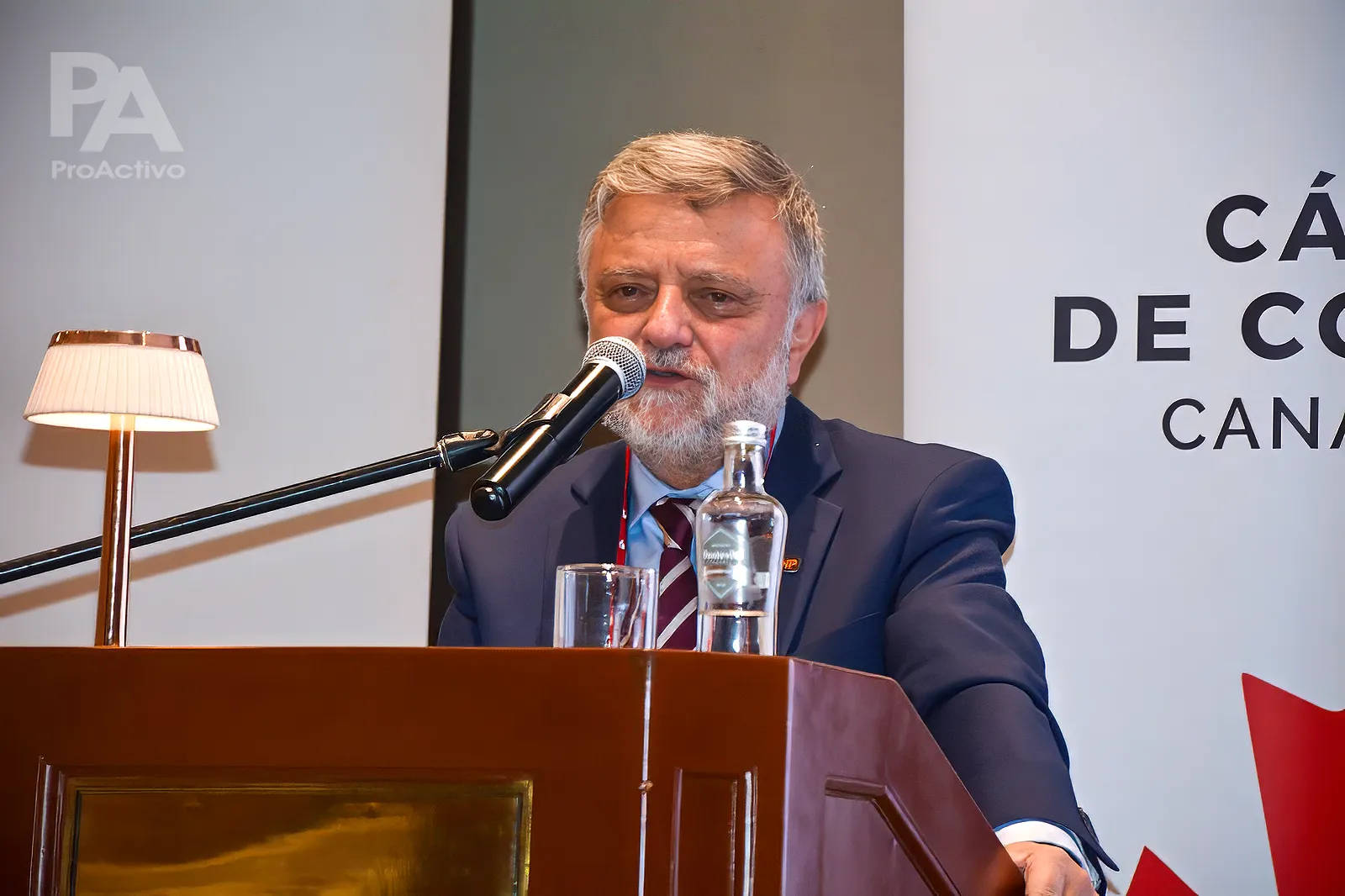
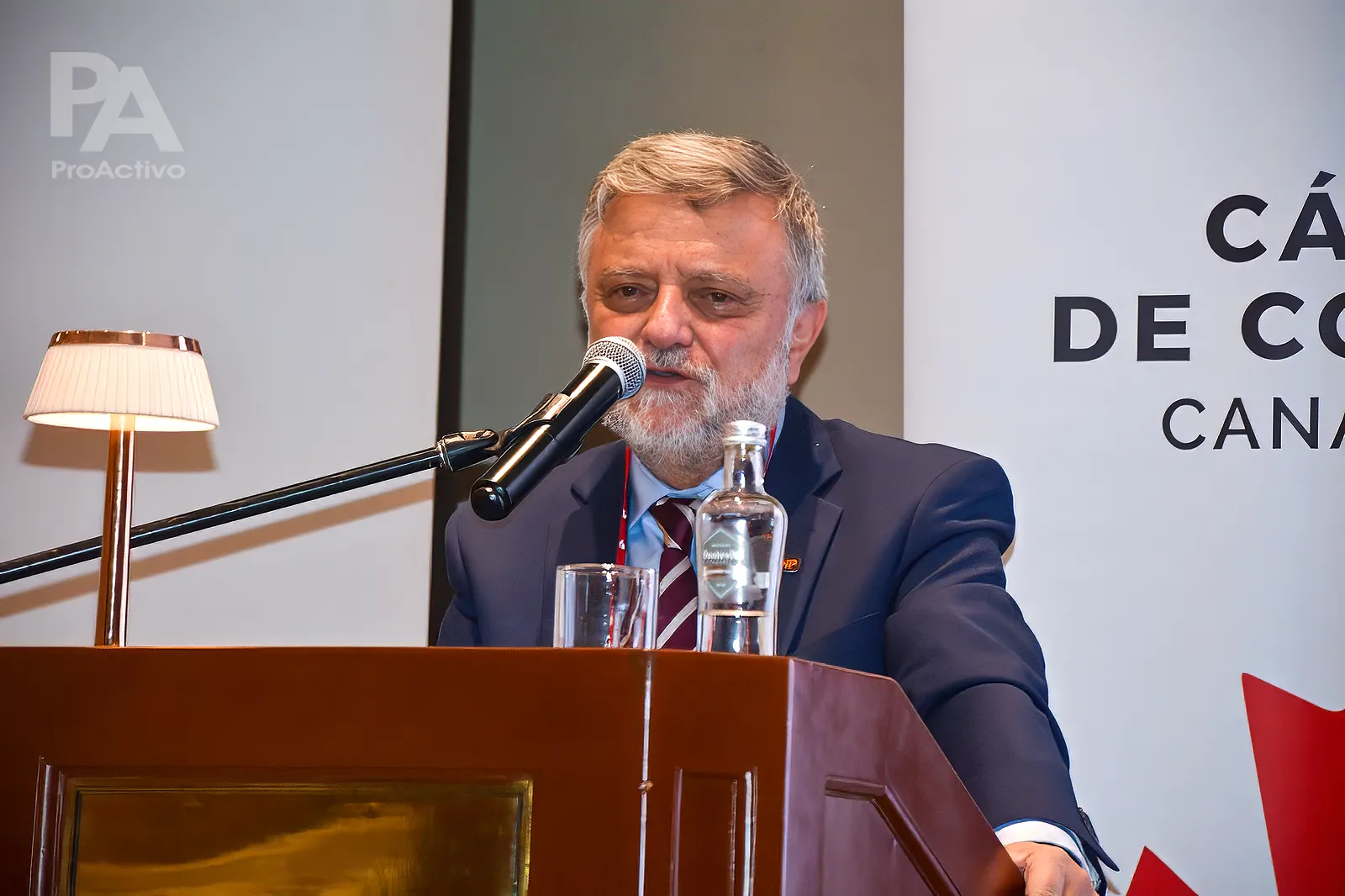
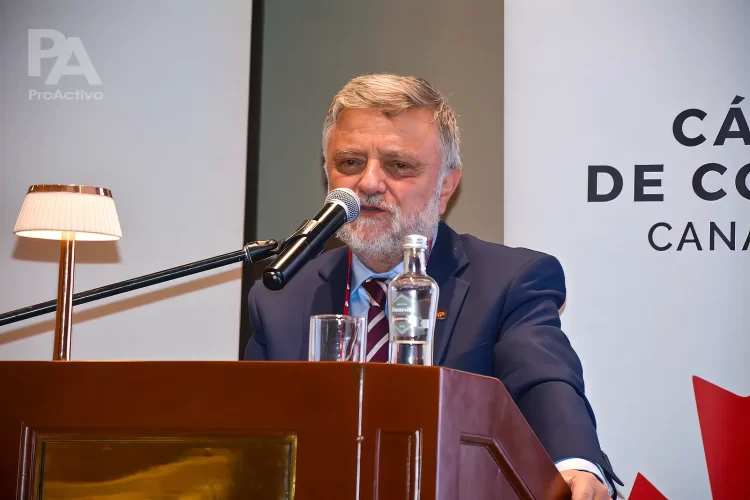
René Muga, Vice President of Corporate Affairs for the Americas at BHP, recently provided a definitive outlook on this shift. Speaking at the international networking event, "The Future of Mining in Latin America: BHP’s Vision and Strategies," Muga underscored that copper has ascended to the very epicenter of the company’s long-term global agenda.
"When we look at projections from now until 2050," Muga stated, "the demand for copper—compared to the production levels we saw at the beginning of this decade—is set to increase by a staggering 70%."
Main Facts: A 70% Demand Surge
The sheer scale of the growth identified by BHP necessitates a fundamental reassessment of how the mining sector operates. To bridge the widening gap between supply and demand, the industry must sustain an annual growth rate of between 2.5% and 3%. In practical terms, for a company like BHP, this means the global mining industry must bring online the capacity equivalent of one "Escondida-sized" mine every two years.
This shift is not merely aspirational; it is already reflected in the company’s financial DNA. For the first time in its history, copper has surpassed iron ore as the primary driver of BHP’s earnings. In the most recent fiscal year, over 50% of the company’s EBITDA was generated by its copper portfolio. This transformation signals a pivot toward "future-facing commodities"—including potash, iron, and metallurgical coal—designed to capture the latent demand in emerging economies like India and various African nations, where per capita copper consumption is currently only a fraction of that seen in developed markets.
Chronology: From Extraction to Transformation
The trajectory of the modern mining industry, and BHP’s role within it, can be traced through several critical phases:
- Pre-2020: The traditional model of mining focused on high-volume extraction with limited emphasis on the carbon footprint of the supply chain. Copper was viewed primarily through the lens of industrial manufacturing and housing.
- 2020–2023: The global push for Net Zero and the rapid emergence of the AI and data-center sectors transformed copper into a strategic asset. BHP began recalibrating its portfolio, divesting from certain assets and doubling down on copper and potash.
- 2024: BHP achieves a historic milestone, with copper becoming the largest contributor to its EBITDA, signaling the official transition to a "future-facing" commodity model.
- 2025–2030 (The Growth Phase): Massive capital investment, including the $10 billion commitment to the Escondida mine in Chile and the advancement of the Jansen potash project in Canada, sets the stage for the next decade of production.
- 2050 (The Horizon): The target date for the 70% demand increase, requiring a total transformation of how copper is extracted, processed, and recycled on a global scale.
Supporting Data: The Economics of the Transition
The "Escondida challenge" serves as a benchmark for the industry. Operating one of the world’s largest copper mines involves navigating the natural decline of ore grades, which requires continuous technological and capital reinvestment. BHP has committed over $10 billion to maintain Escondida’s capacity, ensuring that the asset remains a cornerstone of global supply despite geological challenges.
This capital expenditure is supported by a commitment to operational sustainability. Key indicators of this transition include:
- Water Management: Transitioning to 100% desalinated water in arid operational environments, moving away from continental water sources to protect local ecosystems.
- Energy Decarbonization: Reaching zero Scope 2 emissions through the aggressive integration of wind, solar, and other renewable energy sources in the power mix.
- Diversity as a Performance Metric: BHP’s operations in the Americas have reached a 46% female workforce, proving that diversity is not just a social goal but a catalyst for higher operational productivity and safety.
Official Responses: Navigating the Competitive Landscape
During the presentation, René Muga highlighted that the competition for capital is fiercer than ever. Institutional investors are no longer looking at production costs alone; they are analyzing the "investability" of a mining jurisdiction based on four critical pillars:
- Fiscal and Legal Stability: The predictability of mining royalties, tax structures, and long-term contracts.
- Regulatory Permitting: The efficiency and transparency of the environmental and social licensing process.
- Social License to Operate: The depth of community engagement and the ability to build shared value with local stakeholders.
- Operational Excellence and Innovation: The company’s ability to implement autonomous technologies and maintain a low-carbon footprint.
According to Muga, these factors determine whether a country remains a top-tier destination for mining capital. BHP’s strategy is to lead by example, demonstrating that environmental rigor and social responsibility are compatible with high-yield returns.
Implications: Social Value as the New Benchmark
Perhaps the most significant shift in BHP’s corporate philosophy is the institutionalization of "Social Value." Rather than treating corporate social responsibility (CSR) as an auxiliary department, the company has integrated it into its core decision-making matrix.
The strategy is built on three pillars: Planet, People, and Prosperity. By 2030, BHP aims to meet aggressive targets in decarbonization, the empowerment of indigenous suppliers, and the sustained economic development of the regions where they operate. This means that every major capital project must be evaluated through the lens of its socio-environmental impact alongside its financial Internal Rate of Return (IRR).
The Human Factor and Future Workforce
The move toward autonomous mining and digitized operations has profound implications for the labor market. Far from causing job displacement, the transition has allowed for the upskilling of the workforce. BHP’s achievement of 46% female representation in the Americas is a testament to the success of their "inclusive recruitment" strategies. By leveraging technology, the company has broken down historical physical barriers to entry, resulting in a more diverse, skilled, and resilient workforce that is better equipped to handle the complexities of 21st-century mining.
Conclusion: A Strategic Imperative
The message from BHP’s leadership is clear: the copper industry is no longer a static, commodity-driven business. It is a dynamic, technology-heavy sector that sits at the foundation of global civilization’s future. As the world moves toward the 2050 net-zero targets, the ability to extract copper responsibly, efficiently, and inclusively will define the winners and losers in the global market.
The presence of executives like Walter Tejada, Manager of Operations for the Americas, and Amalia Carrillo, Principal Lead of Corporate Affairs, at the recent forum highlighted the collaborative nature of this effort. As BHP continues to refine its "future-facing" strategy, the focus remains on the synergy between large-scale capital, environmental stewardship, and the creation of lasting value for the communities that host these critical operations.
In the final analysis, the 70% growth in demand is not just a statistical projection; it is a mandate for change. For BHP, the path forward is one where high-tech innovation, gender equity, and deep-rooted social commitment converge to secure the metals necessary for a decarbonized, electrified, and AI-driven future.