Introduction: A Legal Stand in the High Courts
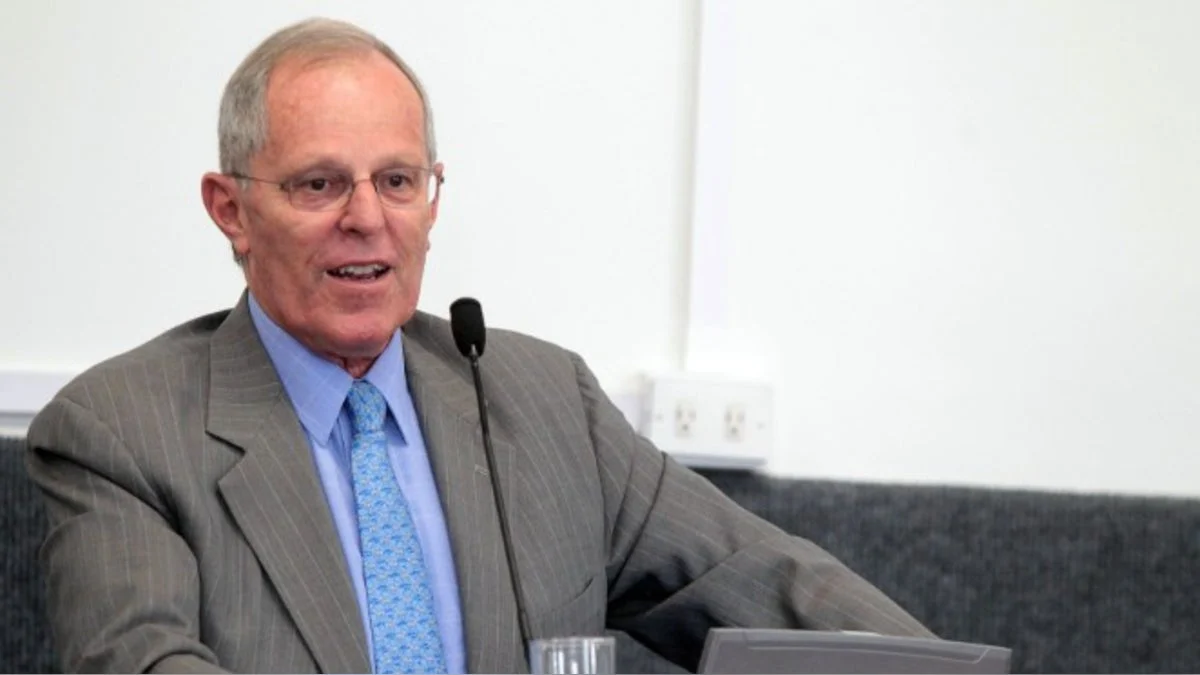
In a significant development within the ongoing legal saga surrounding former Peruvian President Pedro Pablo Kuczynski (PPK), the defense team has formally petitioned the judiciary to force an end to the long-standing preparatory investigation into his 2016 presidential campaign. Citing a procedural impasse, the defense has filed a "control of time" request—a legal mechanism designed to prevent the indefinite extension of prosecutorial investigations.
The motion, presented to the Fourth National Preparatory Investigation Court, argues that the Office of the Public Prosecutor (Ministerio Público) has overstepped the legally mandated duration for gathering evidence. With no formal conclusion provided by the fiscal authorities and no judicial authorization for a further extension, Kuczynski’s legal counsel contends that the ongoing process has transitioned from a legitimate investigation into an arbitrary procedural limbo.
The Core Argument: A Question of Due Process
At the heart of the defense’s motion is the principle of "reasonable duration." The legal team asserts that the Public Prosecutor’s Office has failed to meet the strict deadlines imposed by the Peruvian Code of Criminal Procedure. According to the filing, the preparatory investigation has exceeded its statutory limits without the necessary bureaucratic safeguards being met.
"The state cannot keep a citizen in a state of perpetual legal uncertainty," a source close to the defense indicated. The motion argues that because there has been no formal indictment or a sanctioned extension from the judiciary, the investigation has effectively expired. The defense is now looking to the Fourth National Preparatory Investigation Court, presided over by the designated judge, to declare the investigation closed and potentially halt further procedural maneuvers by the prosecution.
Chronology: The Road to the 2016 Campaign Controversy
The investigation into the 2016 campaign of Peruanos por el Kambio (P.P.K) did not emerge in a vacuum. To understand the current legal friction, one must examine the timeline of events that brought the former president under the scrutiny of the state.
2016: The Campaign
During the 2016 general election, Pedro Pablo Kuczynski campaigned on a platform of technocratic reform and modernization. His party, Peruanos por el Kambio, successfully navigated the electoral landscape, leading to his eventual victory over Keiko Fujimori. At the time, the party’s financial reports were filed and approved by the National Office of Electoral Processes (ONPE) according to standard regulations.
2018: The Allegations Surface
The legal troubles began in earnest in December 2018. Investigations by the public prosecutor were triggered by a series of testimonies from five individuals listed in the official party records as donors to the 2016 campaign. These citizens categorically denied having made any financial contributions to the party, suggesting that their identities had been used to "launder" funds from other, undisclosed sources.
2019–2023: The Investigative Labyrinth
Following the initial testimonies, the investigation expanded to encompass broader questions of campaign financing and alleged illicit funding. Over the subsequent years, the case became intertwined with the broader "Lava Jato" investigations in Peru, as prosecutors sought to determine whether money from major construction firms or foreign entities had been funneled through phantom donors to support Kuczynski’s candidacy.
2024: The "Control of Time" Filing
The current petition marks the latest phase of this protracted struggle. By invoking the "control of time," the defense is signaling a shift from a purely defensive stance to an aggressive procedural challenge, forcing the judiciary to rule on whether the prosecution has violated the constitutional rights of the former president through excessive delays.
Supporting Data: The Anatomy of the Investigation
The investigation against PPK rests on three primary pillars of evidence that the prosecution has spent years analyzing:
- Disputed Donor Statements: The core of the case involves the five witnesses who claimed their names were used without their consent to report contributions they never made. These testimonies provide the foundation for allegations of falsification of documents and money laundering.
- Banking and Financial Records: The prosecution has conducted extensive audits of the party’s bank accounts during the 2016 cycle. The central question remains: if these individuals did not donate the funds, where did the money originate, and did it violate campaign finance laws regarding corporate or foreign contributions?
- The "Lava Jato" Connection: While distinct from the specific campaign financing case, the atmosphere surrounding the investigation is heavily influenced by the wider corruption scandals that have implicated almost every former president of Peru from the last three decades. The prosecution’s goal has been to determine if the 2016 campaign was used as a vehicle for systemic bribery.
Official Responses and Judicial Action
The Fourth National Preparatory Investigation Court has acknowledged the seriousness of the defense’s request. Recognizing that procedural integrity is a pillar of the Peruvian legal system, the court has admitted the motion for processing.
The Scheduled Hearing
The judiciary has scheduled a virtual hearing for Thursday, September 10, at 11:00 a.m. This session will involve representatives from both the Public Prosecutor’s Office and the defense team. The objective of the hearing is to evaluate the timeline of the investigation and determine whether the prosecution has indeed failed to meet its procedural obligations.
The Prosecutor’s Stance
While the Public Prosecutor’s Office has not released a formal public statement regarding this specific motion, sources within the institution suggest they will argue that the complexity of the investigation—involving financial records from multiple jurisdictions and witnesses across the country—necessitates a longer timeframe. Prosecutors are expected to contend that the "control of time" is an attempt to evade justice rather than a legitimate procedural concern.
Implications: The Broader Legal Landscape
The outcome of the September 10 hearing carries implications that extend well beyond the fate of Pedro Pablo Kuczynski.
1. Precedent for Future Investigations
If the court rules in favor of Kuczynski, it will send a strong signal to the Public Prosecutor’s Office regarding the importance of efficiency and adherence to procedural deadlines. It would strengthen the "control of time" as a viable legal tool for defendants facing lengthy, slow-moving investigations.
2. Political Stability and Public Perception
The legal woes of former presidents are a constant in the Peruvian political landscape, often fueling public cynicism toward the judiciary and the political class. A definitive ruling—whether it concludes the investigation or sets a final deadline—is necessary to provide a sense of closure to an electoral controversy that has lingered for nearly six years.
3. The Impact on "Lava Jato" Fallout
The case against PPK is a microcosm of the systemic efforts to address political corruption in Peru. If the case is dismissed or closed due to procedural failures, it may be viewed by critics as a failure of the judicial system to hold high-level officials accountable. Conversely, if the court denies the request, it will validate the prosecutor’s slow-burn approach, ensuring that the investigation continues until a final indictment or archival decision is reached.
Conclusion
As the September 10 hearing approaches, the legal battle involving Pedro Pablo Kuczynski highlights the delicate balance between the state’s duty to investigate potential corruption and the individual’s right to a timely resolution of legal proceedings.
For Kuczynski, this hearing is a critical juncture in his effort to regain a measure of finality in his legal status. For the Peruvian judiciary, the hearing represents a test of its capacity to manage high-stakes, politically charged cases within the rigid frameworks of the law. Regardless of the court’s decision, the episode serves as a reminder of the enduring volatility of Peruvian politics, where the boundaries of law, politics, and historical legacy remain inextricably—and often contentiously—linked.