Executive Summary: A Firm Stance Against Illegal Occupation
In a significant enforcement operation aimed at protecting public assets, the Peruvian Ministry of Housing, Construction, and Sanitation (MVCS), through the National Superintendency of State Assets (SBN), successfully reclaimed a vast tract of state-owned land in the Piura region. The operation, which took place in the sector of La Draga within the Ciudad Negritos population center, involved the removal of illegal structures that had been erected without authorization.
Spanning a total of 4,847.69 square meters, the reclaimed territory had been encroached upon by individuals who installed precarious fencing and makeshift modules constructed from wood, corrugated iron, and mats. By reclaiming this land, the SBN has underscored its commitment to preventing the irregular appropriation of state-owned property, a growing concern in several regions across Peru.
Chronology of the Intervention
The recovery process was a calculated effort, executed under the framework of the SBN’s ongoing initiative to monitor and secure state-held lands.
- Initial Assessment: Following reports of unauthorized activity in the La Draga sector, SBN agents conducted site inspections to verify the extent of the encroachment. These inspections confirmed the presence of both abandoned and occupied illegal structures.
- Legal Preparation: Utilizing the authority granted under the Ley N.° 30230 and Legislative Decree N.° 1726, the SBN prepared the necessary documentation to conduct an extrajudicial recovery.
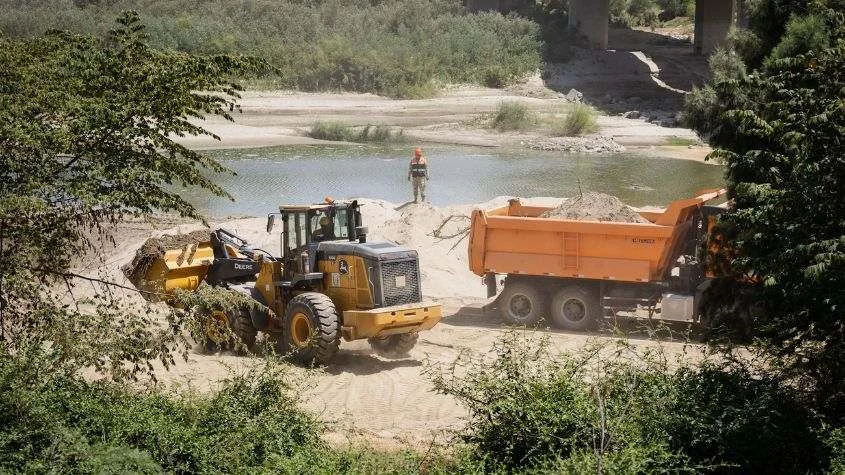
- The Operation: On the day of the intervention, SBN personnel, supported by the Talara Sectoral Police (PNP), arrived at the site. The operation was carried out in a peaceful manner, with the assistance of specialized logistics teams and heavy machinery tasked with dismantling the illegal fencing and modules.
- Securing the Perimeter: Once the structures were removed, the SBN installed official signage throughout the 4,847.69 square-meter plot. These markers serve as a public declaration of state ownership and act as a deterrent against future attempts at occupation.
Legal Framework: Protecting the National Patrimony
The legal basis for this operation is grounded in specific Peruvian legislation designed to expedite the recovery of state property.

The SBN exercised its authority under Articles 65 and 66 of Law No. 30230, which provide a simplified and effective mechanism for the state to recover its assets from illegal occupiers without the immediate need for protracted court proceedings. Furthermore, Legislative Decree No. 1726 reinforces the state’s mandate to act decisively when national property is threatened. These laws are critical tools in the government’s arsenal, allowing the SBN to act swiftly to prevent the consolidation of informal settlements on land designated for public use or strategic development.
Official Response and Policy Implications
The operation in Talara is not an isolated event but rather a component of a broader policy directive from the Ministry of Housing.
Statement from the Ministry
Minister of Housing, Construction, and Sanitation, Mauricio Arnillas, emphasized the importance of the mission. “We are acting to protect the patrimony of all Peruvians,” Arnillas stated. “These spaces cannot be occupied in an illegal manner. From the Ministry of Housing, we will continue working to ensure that the lands of the State are safeguarded and utilized in accordance with the law.”
This statement reflects the government’s dual approach: protecting the integrity of the state’s land bank while simultaneously signaling to the public that formal, legal channels must be used for land acquisition and development.

Implications for Urban Planning
The reclamation of the La Draga sector serves as a cautionary tale regarding the risks of informal urban growth. In regions like Piura, the pressure on land is high due to population growth and the demand for housing. However, the government argues that allowing informal settlements on state land often leads to long-term risks, including:
- Safety Hazards: Structures built with non-durable materials like wood and mats are highly susceptible to fire and collapse, endangering the lives of occupants.
- Lack of Infrastructure: Illegal settlements frequently lack basic services like water, sewage, and electricity, creating health crises and environmental degradation.
- Urban Disorder: Unplanned settlements impede the orderly development of cities, complicating future infrastructure projects and urban planning initiatives.
Supporting Data and Context: The Broader Landscape
The land reclaimed in Ciudad Negritos is part of a larger portfolio of state assets that the SBN is tasked with managing. The Piura region, characterized by its complex geography and vulnerability to climate phenomena—such as the El Niño oscillations—requires careful management of land use.
The removal of these structures helps to ensure that the land remains available for its intended use, which could range from social housing projects to public facilities or commercial zones that contribute to the local economy. The logistical effort involved—hiring specialized equipment and coordinating with the National Police—demonstrates the significant resources the state must deploy to rectify the consequences of illegal occupation.
Future Outlook: Moving Forward
Following the success of the intervention in Talara, the SBN has indicated that it will maintain a heightened state of surveillance over the site to ensure it is not re-occupied. The installation of signage is the first step in a "re-possession" cycle that includes periodic monitoring.

For the citizens of Talara and the wider Piura region, this operation sends a clear message: the state is committed to enforcing land-use regulations. Moving forward, the government is likely to continue balancing its enforcement efforts with policies aimed at promoting formal access to housing, thereby addressing the root causes that drive individuals to occupy state land illegally.
The Ministry of Housing continues to encourage citizens to verify the legality of any land they intend to purchase or occupy, directing them to the official channels of the SBN to avoid the legal and financial repercussions associated with illegal settlements.
Conclusion
The recovery of the 4,847.69 m² in La Draga is a testament to the effectiveness of current legislative tools in the hands of a determined administration. By clearing illegal structures and asserting its ownership, the SBN has restored order to the Ciudad Negritos area. This act of governance not only protects the national heritage but also reinforces the rule of law, ensuring that land use in Peru remains a transparent, regulated, and safe process for the benefit of all citizens.
For more information on state land regulations and ongoing recovery operations, citizens are encouraged to visit the official SBN portal or subscribe to the Ministry of Housing’s bulletins to stay informed about property rights and public land management.