Introduction
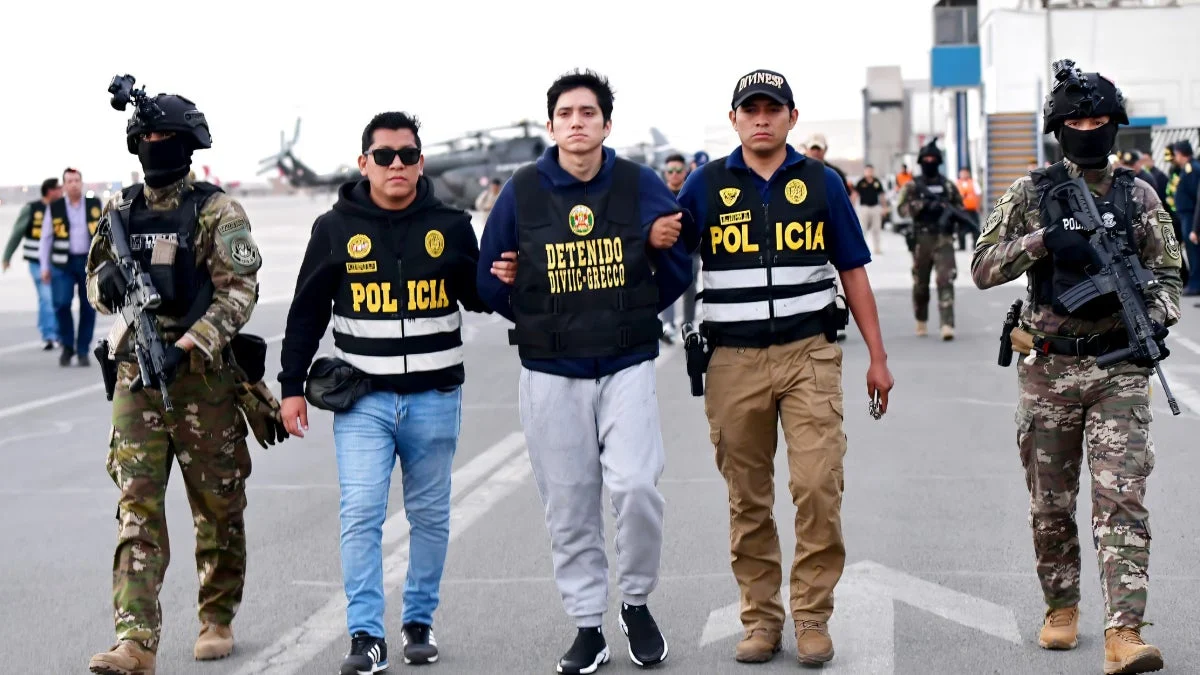
The capture of Jhonsson Smith Cruz Torres, better known in the criminal underworld as "Jhonsson Pulpo," marks a significant victory for Peruvian law enforcement and a major setback for one of the most feared criminal organizations in the country. After two months of intensive tracking and international intelligence cooperation, Cruz Torres—the primary leader of the criminal syndicate known as "Los Pulpos"—was apprehended in Bolivia.
Currently held under strict security measures at the headquarters of the Directorate against Terrorism (Dircote) in Lima, Cruz Torres faces a 15-day preliminary detention period. This development is not merely a procedural step; it is the culmination of a sophisticated, cross-border manhunt aimed at dismantling a network responsible for some of the most heinous crimes in recent Peruvian history, including kidnapping, extortion, and murder.
The Main Facts: A High-Stakes Custody
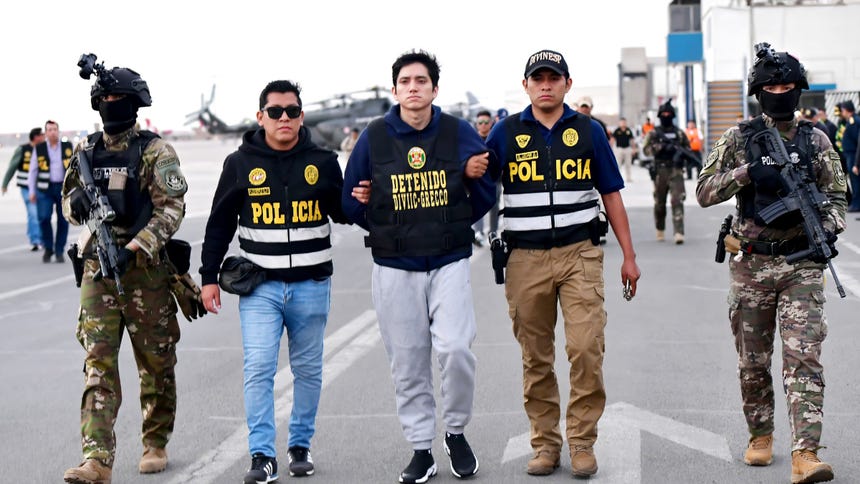
Following his extradition from Bolivia to Peru, Jhonsson Cruz Torres (30) was transferred to the Dircote facilities in Lima. The Teniente General PNP Manuel Lozada, Director of National Criminal Investigation, confirmed that the suspect will be held there for an initial 15-day period. This period is critical for the Public Ministry to consolidate the evidentiary files necessary for his transfer to a high-security prison.
"Cruz Torres is under a 15-day preliminary detention order and will remain in the Dircote cells," General Lozada stated during a press briefing. "Once the preliminary investigation concludes, we will determine which penitentiary facility is most appropriate for his incarceration, especially considering that he is already subject to a life imprisonment sentence for his previous criminal activities."
Alongside the gang leader, authorities also arrested Gabriel Alexander Mendocilla Gómez (23). Mendocilla, who was apprehended alongside Cruz Torres in Bolivia, is also subject to the same 15-day detention order. The Peruvian National Police (PNP) has confirmed that a specialized team from the Anti-Kidnapping Division (Divise) from Trujillo is traveling to Lima to assist with the ongoing investigations, ensuring that the legal process remains airtight.
Chronology of a Manhunt: From Trujillo to Bolivia
The downfall of Jhonsson Pulpo was not an overnight success but the result of a meticulously coordinated transnational operation.
- The Catalyst: The investigation gained significant momentum following the high-profile kidnapping of businessman Jenss Lara. Intelligence reports indicated that Cruz Torres had been directing these operations remotely from Bolivia, using the neighboring country as a sanctuary to evade the reach of Peruvian justice.
- The Intelligence Trail: The breakthrough came through the identification of his close associates, including Keysi Salvatierra. By tracking the movements of his inner circle, the PNP, in coordination with the Chilean Investigative Police (PDI) and Bolivian law enforcement, managed to pin down their location.
- The Final Strike: Utilizing advanced technological tools and receiving support from United States intelligence agencies, Peruvian authorities successfully mapped the criminal’s digital footprint. This allowed for the precise identification of his hideout in Bolivia, leading to the successful raid and subsequent arrest.
- The Transfer: Immediately following the arrest in Bolivia, international protocols were activated to facilitate the rapid transit of the detainees to Lima, where they were placed under the jurisdiction of the Dircote to prevent any risk of escape or interference.
Supporting Data: The "Los Pulpos" Criminal Ecosystem
"Los Pulpos" are notorious for their brutal methods of intimidation and their reach into legitimate sectors of the economy. The organization primarily operates in the La Libertad region of Peru, specifically within the city of Trujillo. Their business model revolves around:
- Extortion: Small and medium-sized business owners are systematically targeted, forced to pay "war taxes" under the threat of death.
- Kidnapping: The group utilizes professional abduction techniques to hold individuals for exorbitant ransoms, often maintaining control over victims for weeks.
- Transnational Operations: As evidenced by Cruz Torres’s time in Bolivia, the group has expanded its operations beyond Peruvian borders, engaging in money laundering and coordinating criminal acts from abroad.
General Víctor Revoredo Farfán, Chief of the Dirincri, emphasized that the kidnapping of Jenss Lara was the "worst error" of the criminal leader. "When this event occurred, the transnational alerts were immediately activated. The collaboration between the PDI of Chile, the Bolivian authorities, and our own intelligence units created a net that he could not escape," Revoredo stated.
Official Responses: A Firm Stance Against Organized Crime
The capture has been hailed by top-ranking officials as a turning point in the state’s war against organized crime.
General Revoredo, who has been at the forefront of the hunt for Jhonsson Pulpo, highlighted the importance of inter-institutional cooperation. "I am assuming the responsibility of confirming that Jhonsson Cruz Torres directed this kidnapping from Bolivia," he declared. The inclusion of the esteemed prosecutor Dr. Chávez Cotrina in the investigation ensures that the case against the gang leader is robust and legally resilient.
The police high command has assured the public that despite the logistical challenges of moving the case between Trujillo and Lima, all necessary resources are being deployed. The decision to hold the suspects in the Dircote headquarters—a facility known for high-security standards—reflects the government’s concern that the influence of "Los Pulpos" remains a threat even while their leader is in custody.
Implications: What Comes Next?
The capture of the leader of "Los Pulpos" carries profound implications for the security landscape of Northern Peru.

1. The Disruption of Command
With Jhonsson Pulpo behind bars, the hierarchy of the criminal organization faces a period of instability. Law enforcement experts suggest that the vacuum at the top often leads to internal power struggles, which the police intend to exploit to dismantle the remaining cells of the organization.
2. A Warning to Other Fugitives
The use of international intelligence and the successful extradition process send a clear message to other criminal leaders operating from abroad: national borders are no longer a shield against the Peruvian legal system. The cooperation with the U.S. government and regional neighbors demonstrates a new level of sophistication in how Peru handles transnational crime.
3. Judicial Resolution
The focus now shifts to the courts. The Public Ministry, led by experienced prosecutors, is working to ensure that the 15-day window is used to secure testimonies, digital evidence, and forensic data that will solidify the charges. Given that Cruz Torres is already a convicted felon with a life sentence pending, the goal is to ensure that his current detention leads to a permanent and irreversible removal from society.
4. Public Trust
For the citizens of Trujillo and beyond, the arrest is a breath of fresh air. Years of fear and uncertainty caused by "Los Pulpos" have taken a toll on the region’s economy and social fabric. This arrest serves as a necessary restoration of order and a validation of the state’s efforts to reclaim territory lost to criminal intimidation.
Conclusion
The incarceration of Jhonsson Smith Cruz Torres is a landmark event in the ongoing struggle against organized crime in Peru. By combining traditional investigative techniques with modern, cross-border intelligence cooperation, the PNP has managed to neutralize a major threat. As the 15-day investigation period unfolds at the Dircote, the focus will remain on building an unbreakable case that ensures justice is served. While the arrest of one leader does not automatically dissolve a criminal network, it is a definitive step toward dismantling the infrastructure of fear that "Los Pulpos" built. The eyes of the nation remain fixed on the proceedings, hopeful that this marks the beginning of a broader, more successful strategy against the syndicates plaguing the country.