As the 2026 Regional and Municipal Elections approach, the Office of National Electoral Processes (ONPE) has activated its official protocols to ensure the smooth operation of polling stations across Peru. With the democratic process set for Sunday, October 4, the role of polling station members—both titular and alternate—has become a focal point of logistical planning. To encourage participation and recognize the significant responsibility these citizens undertake, the ONPE has reaffirmed the availability of a 165-sol compensation package.
This guide provides a comprehensive overview of how to register for this payment, the importance of the role, and the broader context of the upcoming electoral jornada.
The Critical Role of Polling Station Members
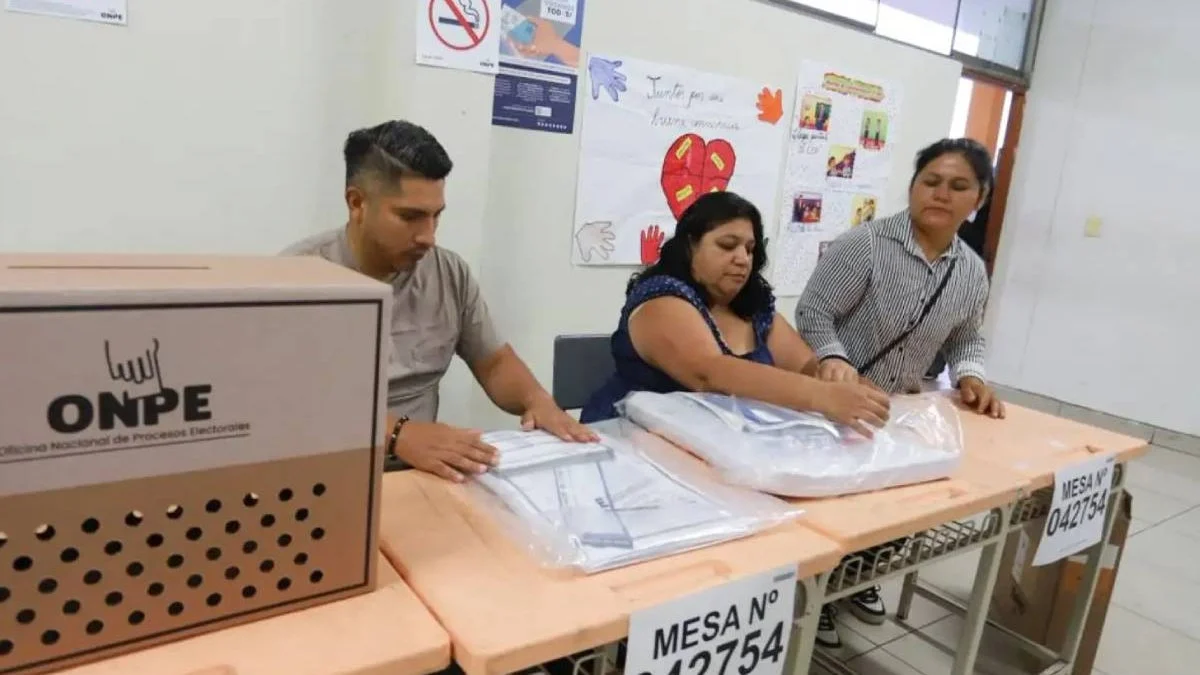
The democratic health of a nation rests upon the integrity of its electoral process. In Peru, this is facilitated by the thousands of citizens who are randomly selected to serve as members of the mesa (polling table). These individuals act as the frontline guardians of the vote, ensuring that the process of installation, suffrage, and scrutiny is conducted with transparency and adherence to the law.
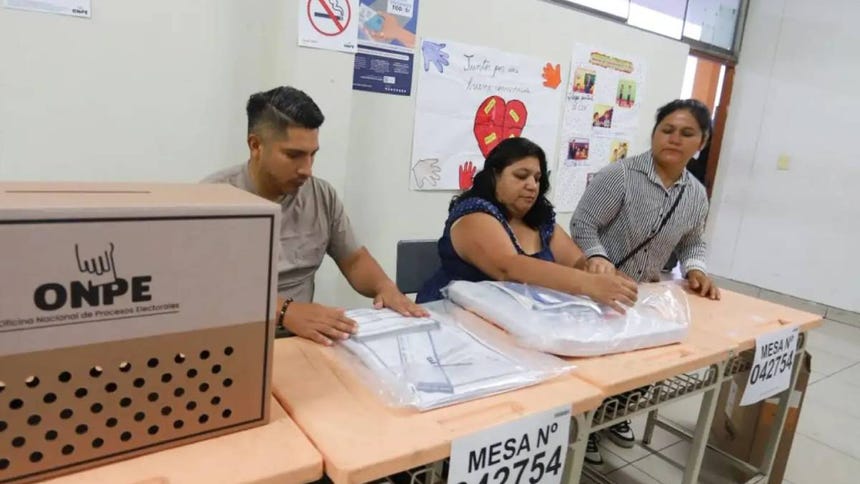
For the 2026 elections, the ONPE has emphasized that the compensation is not merely a payment, but an acknowledgment of the civic duty performed. To be eligible for the 165-sol stipend—equivalent to 3% of the Tax Unit (UIT)—a member must actively fulfill their duties throughout the entire election day.
Chronology of the Electoral Process
The road to the October 4, 2026, elections involves several key phases that citizens must keep in mind to ensure full compliance and awareness:
- Initial Selection: The ONPE conducted the official sorting of citizens to serve as polling station members months prior to the election.
- Notification Phase: Once selected, citizens were notified of their status as either titular or alternate members.
- Validation and Registration (Ongoing): As of early September, the digital platform for compensation registration is active. Members are encouraged to validate their information immediately to ensure a seamless payment process.
- The Election Day (October 4, 2026): The culmination of months of preparation, where voters will select 13,000 regional and local authorities.
- Post-Election Compensation: Following the successful certification of their service, the payment process for the compensation is triggered.
How to Register for Your Compensation
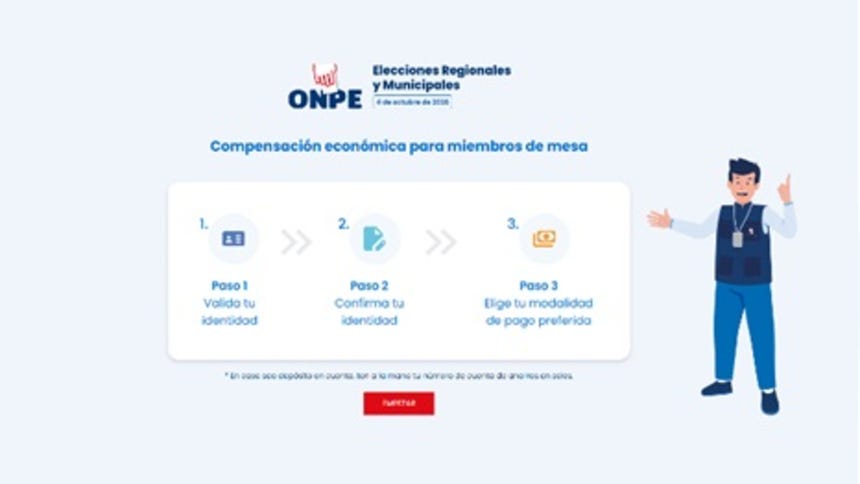
To facilitate the disbursement of the 165-sol payment, the ONPE has launched a dedicated digital portal. Citizens are strongly urged to use this platform to select their preferred payment method.
Step-by-Step Registration Process:
- Access the Portal: Visit the official site at https://compensacioneconomicamm.onpe.gob.pe/.
- Language Selection: The platform offers accessibility features, allowing users to navigate the registration process in either Spanish or Quechua.
- Identity Validation: Enter your DNI (National Identity Document) and follow the security prompts to verify your identity.
- Mode of Payment: You will be prompted to select your preferred method of receiving the funds. This is the primary advantage of registering early; those who do not register must rely on a standard physical disbursement at the Banco de la Nación, which often involves longer wait times.
What if you don’t register?
If a citizen is selected but fails to register via the digital portal, they are not disqualified from receiving their compensation. However, they lose the ability to choose a preferred payment method. Instead, they will be required to collect the funds in person at any branch of the Banco de la Nación. Furthermore, citizens who serve as members of the table without having been initially sorted—such as volunteers who fill in for absent members—are also entitled to the payment, though they must undergo a verification process post-election.
Supporting Data: Understanding the Scope of the Election
The 2026 elections represent a massive administrative undertaking. On October 4, citizens will head to the polls to elect:
- Regional Authorities: Governors, vice-governors, and regional councilors.
- Local Authorities: Provincial mayors, district mayors, and municipal councilors.
In total, 13,000 positions are at stake. The sheer scale of this election means that the consistency of the polling station members is vital. With over 1.7 million citizens currently holding expired DNIs—a group permitted to vote according to recent Reniec directives—the logistical pressure on polling stations is expected to be high. The 165-sol compensation serves as a vital tool to ensure that members stay at their posts from the initial installation at 7:00 AM until the final scrutiny is completed and the results act is signed.

Official Responses and Requirements
The ONPE has clarified that the compensation is strictly tied to the effective exercise of the role. "The payment will be issued exclusively to those who perform the functions of president, secretary, or third member of the table," the office stated.
Key Requirements for Payment:
- Active Participation: Presence during the installation of the table, the oversight of the voting process (suffrage), and the final count (scrutiny).
- Verification: The ONPE will verify the attendance records provided by the electoral coordinators at each polling station.
- Official Certification: Only those who appear on the final attendance sheets will be processed for payment.
Implications of Civic Participation
The role of the polling station member is the bedrock of Peruvian democracy. When a citizen agrees to serve, they are not just filling a seat; they are ensuring that every vote cast is counted accurately.
Why the digital registration matters:
- Efficiency: Digital registration reduces the administrative burden on the Banco de la Nación, preventing overcrowding in branches.
- Accuracy: By validating your data early, you ensure that your bank details or contact information are correct, preventing potential delays in fund transfers.
- Inclusivity: The option to register in Quechua reflects the ONPE’s commitment to reaching all corners of the country, ensuring that language is not a barrier to receiving the compensation for service.
Final Recommendations for Election Day
As we approach the final weeks before the October 4 vote, the ONPE advises all citizens to:
- Consult your polling station location: Use the official ONPE portal to confirm exactly where you must report.
- Stay Informed: Keep an eye on the official ONPE social media channels and news outlets for any changes in the electoral timeline or safety protocols.
- Plan Ahead: If you are a member of the table, arrive early. The installation process is crucial to starting the voting day on time.
- Avoid Misinformation: Always use official government channels (ending in .gob.pe) for any information regarding payments or electoral procedures.
The 2026 Regional and Municipal Elections are a critical moment for the future of local governance in Peru. By participating as a polling station member, you are contributing to a transparent and fair electoral process. Ensure your registration is complete and prepare to fulfill your civic duty on October 4.
Disclaimer: This article is for informational purposes. For the latest updates and to register, please visit the official ONPE website.