By Economic Analysis Desk
The hydrocarbon sector continues to serve as a cornerstone of regional development in Peru, acting as a vital engine for decentralized investment. According to the latest report from PERUPETRO S.A., the state-owned entity responsible for the administration of hydrocarbon resources, the country successfully generated and transferred S/ 1.37 billion (1,370 million soles) in canon and sobrecanon funds between January and July 2026. These resources are earmarked for infrastructure projects and socioeconomic development in regions where extraction activities are concentrated, including Cusco, Piura, Tumbes, Ucayali, Loreto, and the province of Puerto Inca in Huánuco.
The Core Statistics: A Regional Breakdown
The transfer of these funds is not merely a budgetary exercise; it represents the tangible conversion of natural resource wealth into public utility. The distribution of the S/ 1.37 billion reflects the varied productive capacities of Peru’s diverse geological basins:
- Cusco: As the powerhouse of gas production, it received the lion’s share of the transfers, totaling S/ 971.07 million. This region remains the primary beneficiary due to the high output of the Camisea gas fields.
- Piura: Traditionally a hub for northern oil production, Piura received S/ 190.48 million.
- Loreto: Vital for the Amazonian energy sector, the region secured S/ 125.37 million.
- Tumbes: Benefiting from offshore and coastal operations, it received S/ 47.36 million.
- Ucayali: The region saw transfers amounting to S/ 33.31 million.
- Puerto Inca (Huánuco): Despite being a smaller production area, it received S/ 2.76 million, ensuring that even localized resource extraction contributes to the immediate regional budget.
The July Snapshot
The momentum of the sector remains consistent. In the month of July 2026 alone, the state transferred S/ 232.17 million to these regions. This monthly injection underscores the ongoing operational stability of the sector, with Cusco leading the monthly figures at S/ 183.70 million, followed by Piura (S/ 23.58 million) and Loreto (S/ 14.55 million).
Chronology and Historical Context
The mechanism of the "canon" is a long-standing feature of the Peruvian fiscal landscape, designed to ensure that regions hosting extractive industries receive a fair share of the wealth generated.
- 1993 to Present: Since the inception of the current regulatory framework, the canon and sobrecanon system has transferred a staggering S/ 47.564 billion to regional and local governments. This historical data highlights the long-term commitment of the hydrocarbon industry to the country’s development.
- 2026 Operational Milestone: The performance during the first seven months of 2026 demonstrates that despite global energy volatility and shifting environmental regulations, Peru’s hydrocarbon sector remains a reliable fiscal contributor.
- Regulatory Evolution: Over the last three decades, the laws governing the canon have been refined to prioritize transparency and strict accountability in the use of funds, ensuring that the wealth extracted from the subsoil is not dissipated but invested in tangible public assets.
Understanding the Canon: A Catalyst for Regional Development
The canon is defined as the share that regional governments, provincial and district municipalities, national universities, and state-run pedagogical and technological institutes receive from the total income and revenue obtained by the State from the economic exploitation of hydrocarbon resources.
Mandated Usage of Funds
Legally, these funds cannot be used for administrative payroll or operational expenses; they are strictly reserved for:
- Infrastructure Projects: Financing or co-financing public works of regional or local impact—such as roads, sanitation, and electrical grids.
- Sustainable Development: Investing in productive initiatives that enhance the long-term economic stability of the communities living near extraction sites.
- Academic Advancement: In a strategic move to foster innovation, a portion of the canon is allocated to universities and institutes, specifically for scientific and technological research. This mandate aims to create a pool of local talent and specialized knowledge that can drive regional growth beyond the lifespan of the hydrocarbon extraction itself.
Official Perspective: The Role of PERUPETRO S.A.
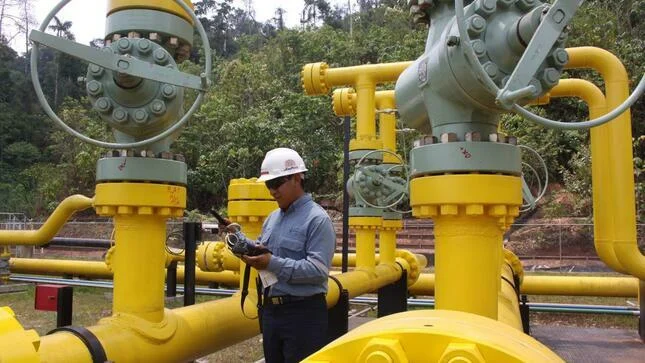
PERUPETRO S.A. operates as a private-law state company entrusted with the management of the nation’s hydrocarbon resources. Its mandate is to promote the sustainable exploitation of oil and gas, ensuring that the state receives its fair share of royalties, which then flow back into the national economy through the canon.
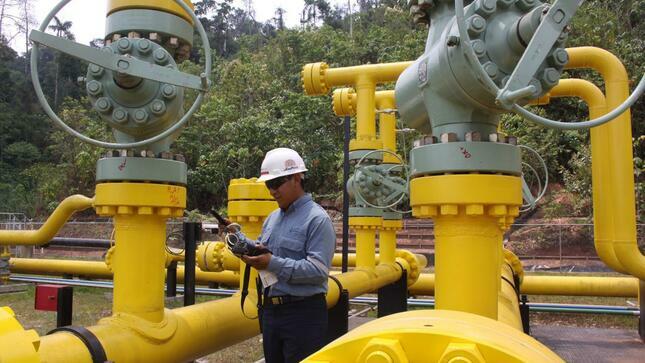
In its latest communication, the organization emphasized that the transfer of these funds is a clear indicator of the sector’s health. By facilitating the transition from "natural resource" to "public infrastructure," PERUPETRO acts as the bridge between private industrial activity and the public good. The entity remains focused on attracting sustainable investment, ensuring that environmental and social standards are met while maintaining the productivity levels required to sustain these significant fiscal transfers.
Implications for the Future
The implications of these S/ 1.37 billion transfers are profound, particularly for the rural and remote regions of Peru.
Bridging the Gap
Many of the regions receiving the largest shares of the canon suffer from significant infrastructure deficits. The capital provided by the hydrocarbon sector is often the only reliable source of funding for large-scale projects like bridge construction, hospital upgrades, or irrigation systems that support local agriculture.
The Challenge of Execution
However, the challenge remains one of execution. While the funds are consistently transferred by the national government, the bottleneck often occurs at the regional and municipal levels. The effective conversion of these millions into high-quality public works requires robust governance, anti-corruption safeguards, and technical capacity. Critics and proponents alike argue that the next step in the evolution of the canon system should be a greater emphasis on the quality and impact of the spending, rather than just the volume of the transfer.
Transitioning to Sustainable Energy
As the global energy transition accelerates, the role of the hydrocarbon sector in Peru is subject to intense debate. While the government continues to rely on these revenues to fund the current development budget, there is an increasing push to diversify the economy. The mandate to use canon funds for scientific and technological research is arguably the most critical aspect of the current legislation, as it encourages regions to invest in the green technologies of the future, effectively using today’s gas and oil money to pay for tomorrow’s energy independence.
Conclusion: A Vital Partnership
The data from the first seven months of 2026 reinforces the reality that the hydrocarbon sector remains an indispensable partner in the development of Peru. With S/ 1.37 billion already flowing into local coffers, the potential for regional transformation is significant.
As Peru looks toward the remainder of the decade, the focus must shift toward maximizing the efficiency of these investments. The collaboration between the central government, the industry (represented by PERUPETRO), and local authorities is essential to ensure that the wealth buried deep underground continues to surface in the form of schools, hospitals, and modern infrastructure that benefits all Peruvians. The numbers are clear: the sector is performing its duty. The onus now lies with the local leadership to ensure that these resources translate into a better quality of life for the citizens of Cusco, Piura, Loreto, Tumbes, Ucayali, and Huánuco.