The landscape of urban transportation in Lima is on the verge of a structural transformation. The Autoridad de Transporte Urbano para Lima y Callao (ATU) has confirmed that it is accelerating studies for a strategic cable car project designed to bridge the connectivity gap between the sprawling district of San Juan de Lurigancho (SJL) and the bustling hub of San Martín de Porres (SMP). This initiative, which aims to integrate traditionally marginalized, high-altitude settlements into the city’s formal mass transit grid, serves as the pilot for a broader, eight-project network planned for the metropolitan area.
The Core Project: Linking East and North
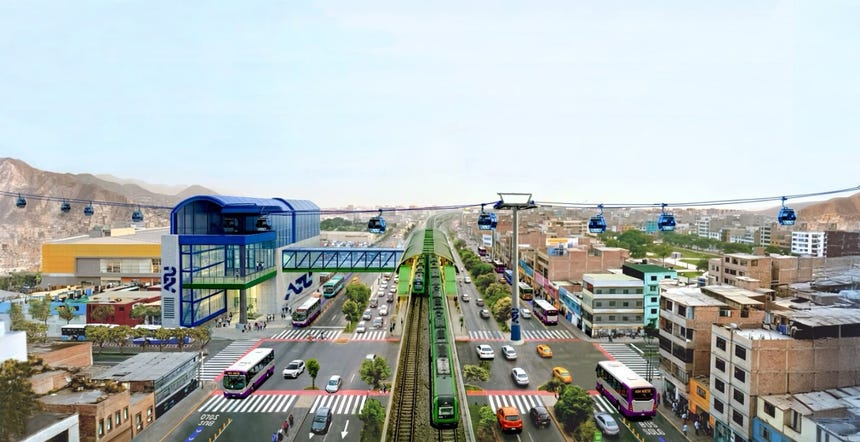
The proposed cable car system represents a significant shift in how Lima’s authorities view the integration of its most difficult-to-access neighborhoods. By connecting the Estación Pirámides del Sol on Line 1 of the Lima Metro directly to the Tomás Valle area in San Martín de Porres, the project creates a transit bypass that avoids the notoriously congested city center.
Currently, commuters from SJL looking to reach the northern reaches of the city must travel through the heart of Lima, adding hours to their daily commutes. The new 6-kilometer cable car route is designed to bypass this inefficiency entirely. By terminating at Tomás Valle, the system plugs directly into an established public transport axis, allowing passengers to seamlessly transfer to buses heading toward Lima Norte and Callao.
According to David Hernández, president of the ATU, the project is estimated to benefit approximately 173,000 residents, providing them with a safer, faster, and more dignified alternative to the current, informal transport methods that dominate the steep hillsides of the capital.
A Chronology of Progress: From Concept to Construction
The trajectory of this project has been marked by rigorous planning and a recent shift in strategy.
- Initial Planning (2023): The ATU began evaluating various potential routes, including those in Collique and El Agustino, as part of the broader "Plan de Movilidad Urbana."
- Strategic Reprioritization (2024): Based on the data gathered from the Urban Mobility Plan, the ATU concluded that the SJL-SMP axis offered the highest potential for efficiency. It was determined that this route would not interfere with the ongoing Periférico Vial Norte project, allowing for better synergy across the city’s infrastructure map.
- The CAF Partnership (Late 2024 – Present): The development of the pre-investment profile study is currently underway, bolstered by a donation from the Development Bank of Latin America and the Caribbean (CAF). This funding has been critical in allowing the technical team to evaluate urban, social, environmental, and institutional impacts across the affected districts: San Martín de Porres, Rímac, Independencia, and San Juan de Lurigancho.
- The 2025 Milestone: The ATU aims to finalize all technical studies by the end of this year. Once these documents are approved, the project will be structured for potential investment.
- The 2026-2027 Outlook: The agency intends to hand over the project to ProInversión in 2026, launching an international public bidding process. If the timeline remains on track, the physical construction phase is projected to commence in 2027.
Supporting Data: Why Cable Cars?
The logic behind the ATU’s selection of cable car technology is rooted in geography and social equity. Lima is a city characterized by its unique "laderas" (hillsides), where thousands of families live in settlements that are virtually unreachable by conventional buses or heavy rail due to the steep, winding topography.
The technical studies currently being finalized by the ATU emphasize several key factors:
- Efficiency of the Axis: The SJL-SMP route was identified as the most efficient, boasting a higher capacity for passenger throughput compared to previous alternatives.
- Multimodal Integration: The success of the project hinges on its connectivity. By linking to the Line 1 Metro and the Tomás Valle bus corridors, the cable car acts as a "feeder" system that increases the utility of the entire city-wide network.
- Social Impact: The project targets the reduction of "transport poverty." For residents living in the highest zones of SJL, the current cost and time spent on transportation represent a significant barrier to employment and education. The cable car promises to reduce travel times by up to 60-70% for these specific populations.
Official Perspectives: The View from the ATU
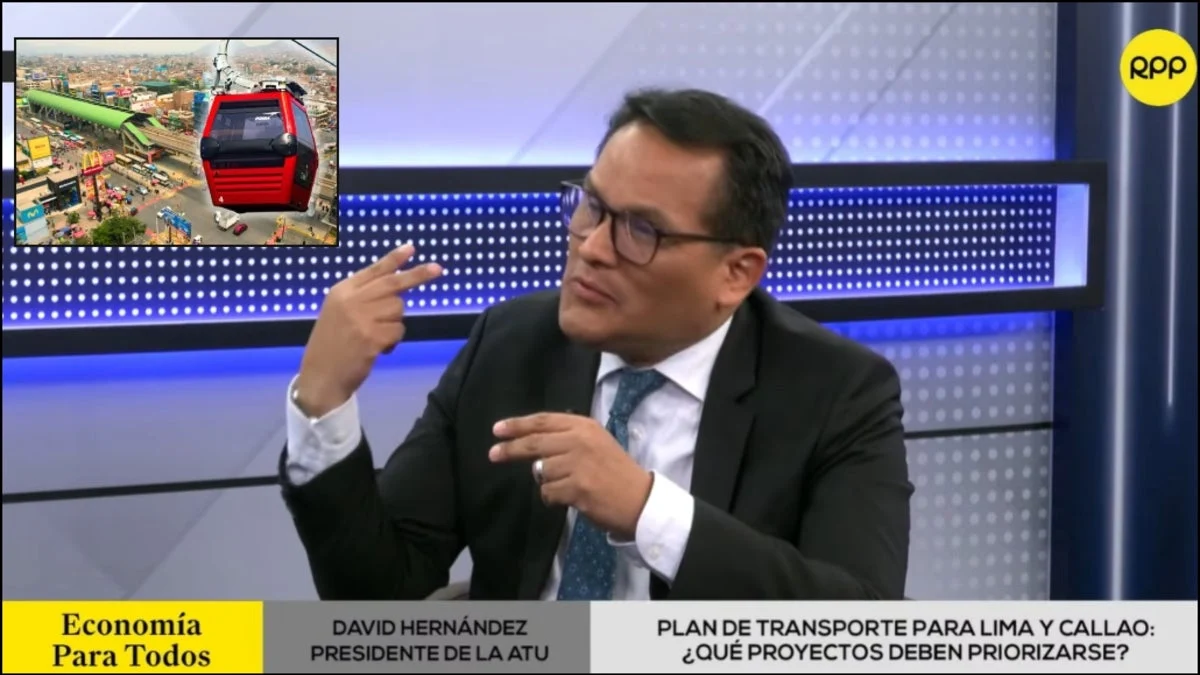
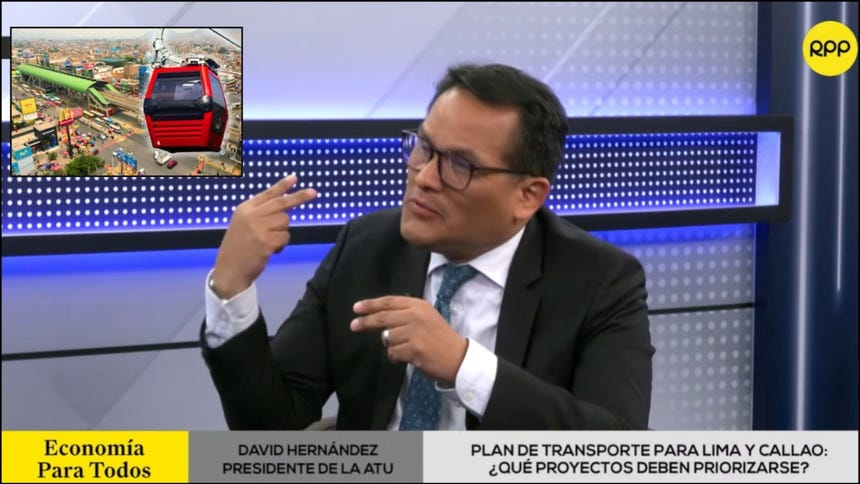
In a recent interview on RPP’s Economía para Todos, ATU President David Hernández underscored the importance of moving beyond "isolated projects" toward a cohesive network.
"With the Urban Mobility Plan presented last year, we identified this axis as the most efficient," Hernández stated. "It doesn’t collide with other major infrastructure projects like the Periférico Vial Norte, and it provides more stations to serve the higher altitudes of the city."
Hernández noted that while the process seems slow, the rigor of the current pre-investment studies is essential. "The studies will finish at the end of this year. From there, we can structure the project for the following year and hand it over to ProInversión. If we accelerate the process, we could reach the public contest phase next year."
The official stance is one of cautious optimism. The ATU acknowledges that infrastructure projects of this magnitude in Peru often face bureaucratic and technical hurdles, but the backing of international entities like CAF and the integration into the national mobility plan provide a level of political and financial stability that previous, smaller-scale proposals lacked.
The Vision: A Network of Eight
The SJL-SMP line is merely the flagship project of an ambitious master plan that envisions a total of eight cable car lines across Lima and Callao. The objective is to create a "secondary" network that feeds the "primary" backbone of the Metro and the Metropolitano bus rapid transit system.
The other planned lines currently in the broader planning pipeline include:
- Lurigancho – San Juan de Lurigancho: A critical link to further integrate the eastern periphery.
- La Victoria – El Agustino: Aimed at connecting central commercial hubs with residential hillsides.
- Villa María del Triunfo – Pachacámac: Addressing the connectivity needs of the southern cone.
- Comas – San Juan de Lurigancho: A massive north-east transversal link.
- Ventanilla – Puente Piedra: Targeting the industrial and residential growth in the northern port region.
This network-based approach reflects a paradigm shift in urban planning for the Peruvian capital. Instead of treating hillside communities as peripheral, the ATU is attempting to weave them into the urban fabric, acknowledging that the future of Lima’s economic growth depends on the mobility of its entire workforce.
Implications for the Future
The implications of these projects extend far beyond transit. If successfully implemented, the cable car network could lead to:
1. Urban Revitalization: The installation of cable car stations often triggers "transit-oriented development." Local commerce typically thrives around station hubs, and the arrival of formal, safe, and reliable transit can lead to improvements in public lighting, security, and urban planning in the immediate vicinity of the towers.
2. Environmental Benefits: By shifting commuters from aging, smoke-belching informal combis to electrified, high-capacity cable cars, the city can significantly reduce its carbon footprint and noise pollution in dense residential areas.
3. Socio-Economic Equity: Perhaps the most profound impact is the reduction of the "time tax" on the poor. By giving residents in high-altitude zones faster access to the city’s economic centers, the project directly promotes social mobility and economic opportunity.
4. A New Model for Governance: The collaboration between the ATU, local municipalities, and international development banks like CAF provides a blueprint for future infrastructure governance in Peru. It demonstrates that long-term, multi-year projects can survive changes in political cycles if they are grounded in solid, data-driven planning.
Conclusion
As the ATU moves into the final months of its feasibility studies for the SJL-SMP cable car, the citizens of Lima are watching closely. The project is a testament to the fact that modernizing a city as complex as Lima requires more than just new highways or subways; it requires an inclusive vision that reaches into the very hills that define the capital’s unique topography.
While the construction phase remains on the horizon for 2027, the groundwork being laid today is essential. By treating the cable car not as a tourist attraction, but as a critical component of the mass transit system, the authorities are taking a bold step toward a more integrated, efficient, and equitable Lima. The path forward is challenging, but the potential to redefine the daily lives of hundreds of thousands of Peruvians makes this one of the most vital infrastructure projects in the country’s current pipeline.