Executive Summary
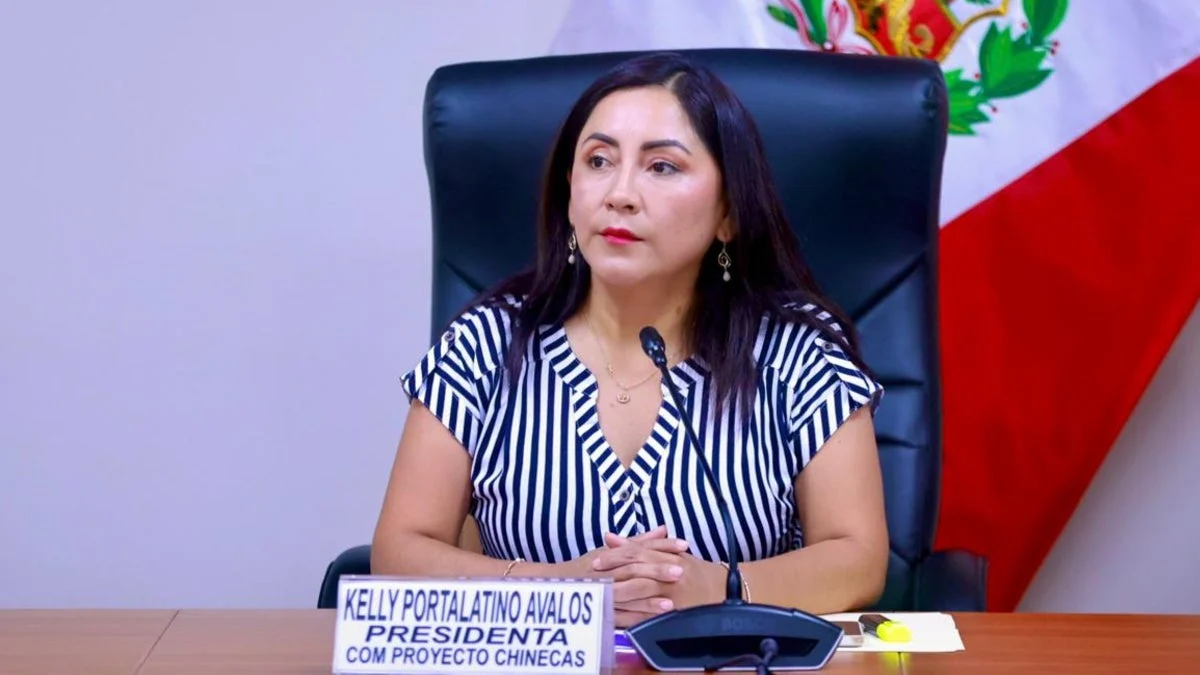
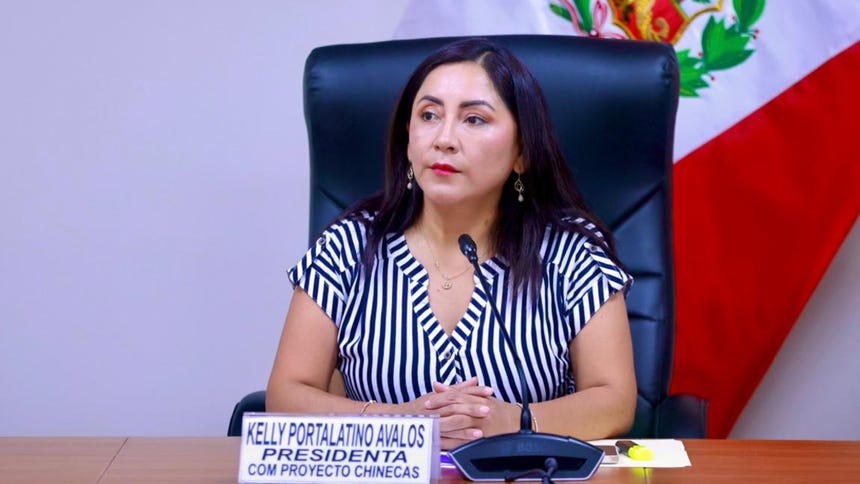
Former Peruvian Congresswoman Kelly Portalatino is currently at the center of a legal investigation following a vehicular accident in the Cercado de Lima district. The incident, which resulted in injuries to a 48-year-old cyclist, has triggered both a formal inquiry by the Public Ministry and a public relations response from the former legislator. While Portalatino maintains that she acted with medical professionalism and moral integrity by assisting the victim at the scene, the legal ramifications of the event continue to unfold as prosecutors move to determine criminal liability for potential "culpable lesions."
1. The Incident: A Collision in Cercado de Lima
The accident occurred at the intersection of Avenida Pacasmayo and Jirón Guillermo Dansey, a high-traffic area in the Cercado de Lima. On the day of the event, Kelly Portalatino, who served as a member of the Peruvian Congress, was operating a vehicle when she collided with a bicycle. The cyclist, identified by the National Police of Peru as 48-year-old Frank Espinoza Martua, sustained injuries during the impact.
The scene was quickly secured by local authorities, and the former congresswoman was taken into custody for initial questioning, a standard procedure in cases involving traffic accidents with personal injury. The incident immediately drew public attention, given Portalatino’s political background and the sensitive nature of traffic safety in Lima, where cyclist fatalities and injuries have become a recurring point of public debate.
2. Chronology of Events
To understand the gravity of the situation, it is necessary to examine the timeline of the incident and the subsequent responses from both the legal system and the involved party:
- Initial Impact: The collision took place at the intersection of Av. Pacasmayo and Jr. Guillermo Dansey. Witnesses and police reports indicate that the cyclist was struck while navigating the intersection.
- Immediate Aftermath: According to statements released by Portalatino, she utilized her background as a medical professional to provide immediate first aid to the victim. She claims to have prioritized the life and physical integrity of the cyclist before facilitating his transfer to a private clinic.
- Police Intervention: Officers from the National Police of Peru (PNP) arrived shortly after the accident to secure the scene. Portalatino was transferred to a local police station to provide a statement and undergo mandatory regulatory tests.
- Legal Conciliation: Portalatino alleges that she and the victim reached a "legal and fair" agreement. She claims the victim signed a document while "stable, lucid, and of sound mind," characterizing the process as one of mutual empathy and open dialogue.
- Prosecutorial Action: Following the filing of police reports, the Public Ministry announced the opening of a preliminary investigation into the former congresswoman for the alleged crime of "lesiones culposas" (negligent injury).
3. The Legal Framework: Understanding "Lesiones Culposas"
In the Peruvian Penal Code, lesiones culposas refers to injuries sustained by a third party due to the negligence, imprudence, or lack of skill of another person. Unlike intentional battery, this charge focuses on the failure to exercise the "duty of care" expected of a driver.
The Public Ministry has initiated a multi-faceted investigation to establish the facts. Key procedural steps include:
- Toxicological Assessment: A mandatory alcohol blood test (dosaje etílico) was ordered to determine if the former congresswoman was operating the vehicle under the influence of alcohol or other substances.
- Evidence Collection: Prosecutors have requested access to security camera footage (CCTV) from the intersection of Pacasmayo and Guillermo Dansey to reconstruct the moments leading up to the impact.
- Medical-Legal Evaluation: The victim, Frank Espinoza Martua, is undergoing a forensic medical examination. The findings of this report will be crucial in determining the classification of the crime, as the severity of the injuries directly impacts the potential sentencing guidelines.
4. Official Response: Portalatino’s Defense
In a formal statement released via her social media channels, Kelly Portalatino sought to frame her actions as both civic-minded and humanitarian. She emphasized two main points: her professional duty as a physician and her compliance with the law.
"From the very first moment, I assumed my civic responsibility and put myself at the disposal of the police and competent authorities, collaborating actively," the former congresswoman stated. She explicitly rejected accusations that she attempted to obstruct justice or evade her duties.
Regarding the victim, Portalatino noted, "I have maintained a line of dialogue and empathy throughout this unfortunate and fortuitous incident." Her defense team maintains that the conciliatory agreement reached with the victim serves as evidence of her intent to rectify the harm caused and provide the necessary support for his recovery.
5. Societal Implications and Public Debate
The case of Kelly Portalatino has sparked a broader conversation regarding road safety and the accountability of public figures in Peru.
The Vulnerability of Cyclists
In Lima, the lack of protected bicycle lanes and the aggressive nature of vehicular traffic remain significant public health concerns. The accident has renewed calls from advocacy groups for stricter enforcement of traffic laws and better infrastructure for non-motorized transport. The fact that a high-profile figure was involved has kept the issue in the headlines, forcing a public examination of how these incidents are handled by the judiciary.
The Role of Public Figures
When a former government official is involved in a legal dispute, the public often scrutinizes the potential for "preferential treatment." By publicly detailing her cooperation and the medical aid she provided, Portalatino is likely attempting to mitigate the political fallout of the incident. However, the move by the Public Ministry to open a formal investigation demonstrates that the legal system is operating independently, regardless of her previous political status.
6. What Lies Ahead
The investigation is currently in its preliminary stage. As the Public Ministry continues its work, several outcomes remain possible:
- Archiving the Case: If the investigation determines that there was no negligence—or if the victim formally withdraws his complaint due to the settlement—the prosecution could potentially archive the case.
- Formal Charges: If the medical-legal report indicates severe injuries and the evidence (including camera footage and the alcohol test) points to driver negligence, the prosecutor may file formal charges. This could lead to a trial, potentially resulting in fines, the suspension of the driver’s license, or, in extreme cases involving serious negligence, a custodial sentence.
- Civil Litigation: Regardless of the criminal outcome, the victim reserves the right to pursue civil damages for medical costs, lost wages, and pain and suffering, should the initial "conciliatory agreement" be challenged or prove insufficient to cover long-term recovery needs.
Conclusion
The collision involving Kelly Portalatino serves as a stark reminder of the unpredictable nature of urban traffic and the legal complexities that arise when accidents involve public figures. While the former congresswoman maintains that she acted with integrity and has reached a private resolution with the victim, the wheels of the justice system have begun to turn.
The upcoming results of the forensic reports, the review of video evidence, and the final determination of the Public Ministry will be the ultimate arbiters of this case. As the legal process unfolds, the Peruvian public remains watchful, expecting that the law will be applied with the same standard of rigor regardless of the individual’s political background or professional standing. For now, the case stands as a significant test of institutional transparency and the commitment of the Peruvian judicial system to addressing vehicular negligence.