The development of high-quality healthcare infrastructure is a cornerstone of regional development in Peru. Recently, a technical team from the National Program for Health Investments (PRONIS), operating under the Ministry of Health (MINSA), conducted an extensive field inspection of the Tambobamba Hospital construction site in the Apurímac region. This visit marks a critical milestone in the ongoing effort to modernize the health corridor of the province of Cotabambas, ensuring that rural and underserved populations have access to specialized medical services.
The inspection focused on the structural integrity and the progress of the foundation work, specifically the initiation of formwork and steel reinforcement for the technical floor slab. As the project moves into this pivotal phase, the oversight provided by PRONIS ensures that the construction adheres to the stringent safety and durability standards required for a facility of this magnitude.
Main Facts: The Scope of the Tambobamba Project
The construction of the Hospital of Tambobamba is one of the most ambitious health infrastructure projects currently underway in the Southern Highlands of Peru. Designed to serve a population of over 128,000 residents, the hospital aims to bridge the gap in healthcare access that has historically affected the inhabitants of Cotabambas.
The facility is being constructed with a total roofed area of approximately 12,000 square meters. Its design is comprehensive, intended to function as a hub for both primary and specialized care. Once operational, the hospital will feature:
- 27 inpatient beds to provide extended care.
- 3 emergency beds equipped for urgent stabilization and trauma response.
- 1 modern operating room designed for surgical interventions.
- 2 delivery rooms to ensure safe maternal and neonatal health.
- 12 outpatient clinics covering various specialties.
- 13 Specialized Health Service Units (UPSS) and 13 Support Units (UPS), ensuring a holistic approach to patient care.
The current focus on the "technical floor slab" is not merely a construction detail; it is the foundation upon which the hospital’s sophisticated medical equipment and life-support systems will be integrated. Ensuring the durability of this floor is essential for the long-term seismic and structural stability of the building.

Chronology of Development
The progress observed this week is the culmination of months of rigorous planning, logistical challenges, and collaborative effort between the Ministry of Health, local government authorities, and the construction contractors.
- Initial Planning and Design Phase: The project moved through the design phase, incorporating local geographic considerations and epidemiological needs of the Cotabambas province.
- Contracting and Mobilization: Following the approval of the technical files, the site was prepared for mobilization. Given the rugged terrain of Apurímac, the logistics of transporting materials and machinery to Tambobamba required extensive coordination.
- Excavation and Foundation: The early stages focused on site clearing and foundation work, which faced challenges due to the specific soil composition of the region.
- Current Phase (September 2026): The project reached a significant milestone with the commencement of the formwork and steel habilitation for the floor slab. This stage marks the transition from underground foundation work to the development of the primary structural skeleton of the building.
- Future Milestones: The coming months will see the vertical construction of the hospital walls and the eventual installation of specialized medical infrastructure, followed by testing and commissioning.
Supporting Data: Impact on the Regional Health Corridor
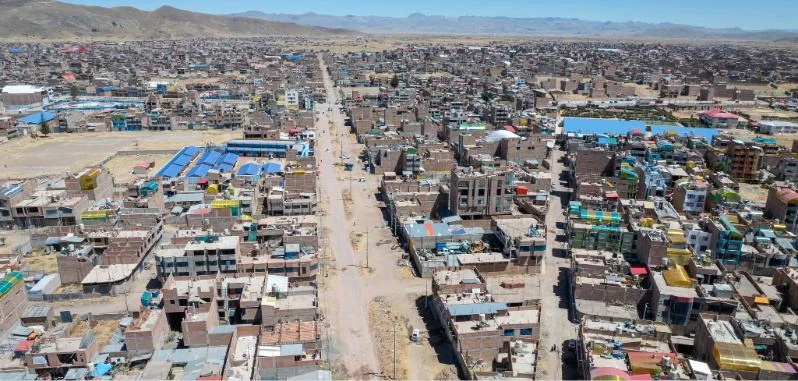
The Apurímac region has long faced challenges related to geography, climate, and distance from major urban health centers. The "health corridor" initiative is a strategic response to these challenges. By positioning modern hospitals like the one in Tambobamba at key points along the route, the MINSA aims to reduce the "referral gap"—the time it takes for a patient to travel from a remote community to a facility where they can receive high-level care.
Data from the regional health authorities indicates that thousands of residents previously had to travel for several hours to reach the nearest hospital. With the completion of this 12,000-square-meter facility, local residents will have access to diagnostic imaging, surgical procedures, and neonatal care within their own province. This represents a significant shift toward the decentralization of health services in Peru.
Official Responses and Technical Oversight
The technical team from PRONIS emphasized that their presence in the field is not an isolated event but part of a permanent, ongoing oversight strategy. By maintaining a physical presence on-site, the program can resolve technical bottlenecks in real-time, ensuring that contractors remain on schedule and within budget.
"Our goal is to ensure that every cent invested in the health of the people of Apurímac translates into tangible infrastructure," a PRONIS spokesperson stated during the inspection. The team worked closely with site engineers to review the specifications for the concrete mix and the structural integrity of the steel reinforcements currently being installed.

This collaborative approach between the central ministry and the on-site construction supervisors is designed to prevent the common pitfalls—such as budget overruns or construction delays—that often plague large-scale public works in Peru. By verifying the quality of materials used in the floor slab, the authorities are ensuring the longevity of the facility, which is expected to serve the population for several decades.
Implications: A New Era for Healthcare in Cotabambas
The implications of this project extend beyond bricks and mortar. The Tambobamba Hospital is a symbol of the government’s commitment to the social and economic integration of rural Peru.
1. Improved Health Outcomes
The availability of dedicated surgical and emergency services will drastically reduce mortality rates in the province, particularly for preventable complications during childbirth or trauma resulting from accidents.
2. Economic Revitalization
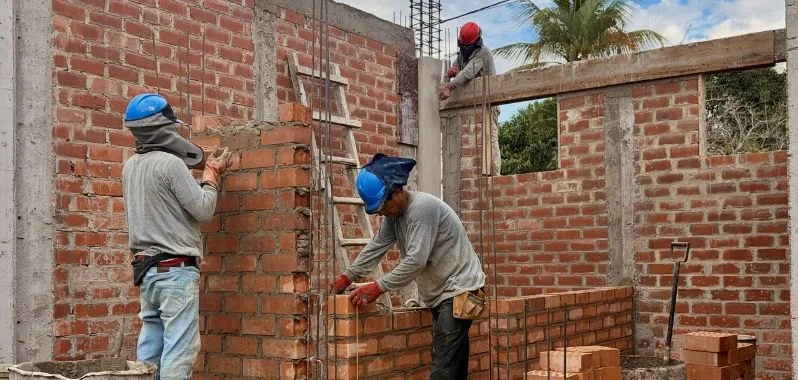
The construction phase itself has provided employment opportunities for the local population, stimulating the local economy in Cotabambas. Once operational, the hospital will become one of the largest employers in the area, requiring medical, administrative, and maintenance staff, which in turn will attract specialized professionals to the region.
3. Strengthening the Referral Network
The Tambobamba facility acts as a vital link in the regional health network. By bolstering the capacity of provincial hospitals, the system reduces the burden on major regional hospitals in cities like Abancay or Cusco, allowing those facilities to focus on highly complex cases.

4. Resilience and Sustainability
The architectural design takes into account the environmental conditions of the Andes. By focusing on durable materials and efficient layouts, the project ensures that the facility can withstand the rigors of the climate and remain functional even under high-stress conditions.
Conclusion
As the PRONIS team continues their monitoring efforts, the construction of the Hospital of Tambobamba serves as a reminder of the vital importance of infrastructure in public health. The progress made in the formwork and slab preparation is a clear indicator that, despite the complexities of working in the high-altitude conditions of Apurímac, the project is advancing toward its goal.
The residents of Cotabambas now have a tangible sign of progress. The combination of rigorous technical oversight, modern design, and a clear vision for regional health equity positions this project as a success story for the Ministry of Health. As the structure continues to rise, the people of Apurímac move one step closer to a future where high-quality healthcare is not a luxury, but a standard feature of their community.
PRONIS has confirmed that it will maintain its surveillance schedule through the end of the year, with subsequent inspections planned to oversee the structural framing and the commencement of electrical and mechanical systems installation, ensuring the project remains on track for its projected completion date.