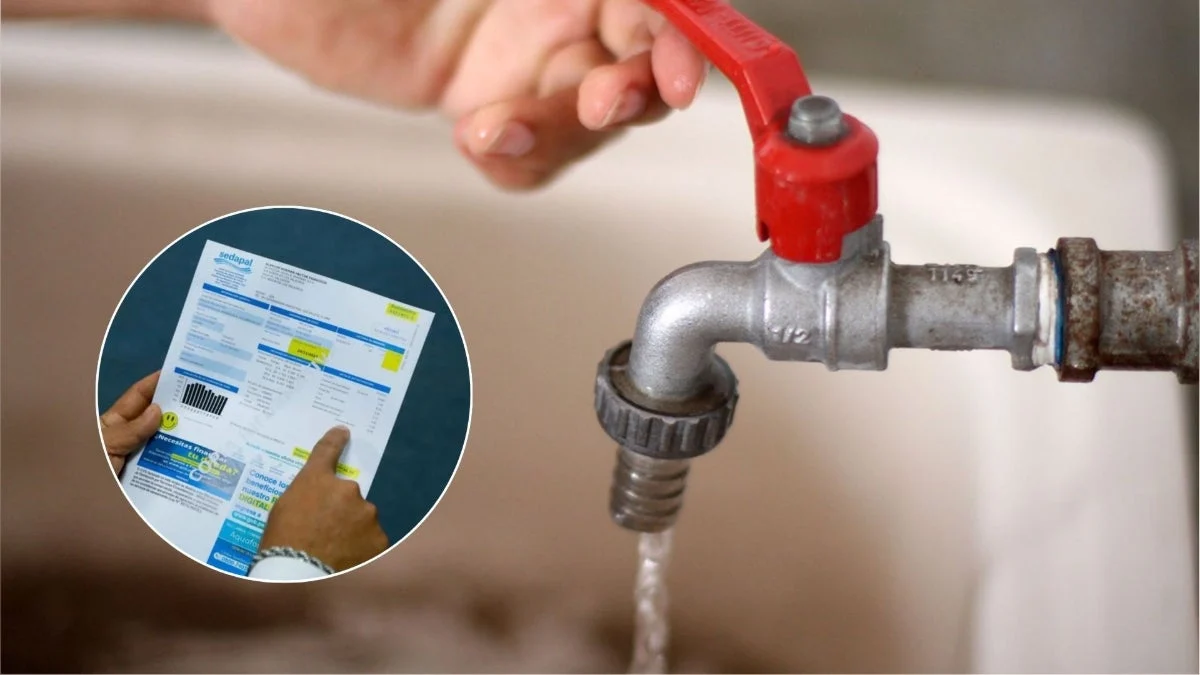
In a strategic move to address the persistent inequalities in public utility access, the Peruvian government has unveiled a comprehensive legislative proposal aimed at revolutionizing how water and sanitation services are funded. Included within a broader request for delegated legislative powers, the Executive branch seeks to amend the existing legal framework—specifically the Legislative Decree 1280, the Law on Universal Access to Potable Water and Sanitation—to implement a nationwide system of "focalized cross-subsidies."
This ambitious initiative seeks to transcend the current operational limitations of the Superintendence of National Sanitation Services (Sunass), aiming to provide financial relief to millions of citizens living in poverty, extreme poverty, and vulnerable conditions. If passed, the reform would fundamentally alter how costs are distributed across the nation, shifting from a localized model to an integrated, country-wide strategy.
Main Facts: A Shift Toward National Solidarity
The crux of the proposal is the transition from localized cross-subsidies to an integrated national scheme. Currently, Sunass manages subsidies within the operational boundaries of individual Water Service Providers (EPS). Under this model, wealthier users within a single utility company’s coverage area subsidize lower-income households.
However, this system faces a structural paradox: in regions where poverty is widespread, there are insufficient "high-income" users to fund the subsidies required by the most vulnerable, effectively rendering the system ineffective in the areas that need it most.
The government’s new proposal aims to break these regional silos. By creating a national framework, the state intends to leverage the economic capacity of users across different regions. The financial mechanism would involve a surcharge on the utility bills of higher-income users nationwide. These funds would flow into the "Fondo de Inversión Agua Segura" (FIAS), a national pool dedicated to subsidizing the operational costs and service access for the underprivileged.
Beyond the Monthly Bill: Financing New Connections
Perhaps the most significant addition to the law is the expansion of the subsidy scope. Previously, subsidies were primarily targeted at monthly service tariffs. The new bill proposes covering the costs of physical connections to water and sewage networks. For many low-income families, the high upfront cost of connecting to the formal grid—estimated at approximately S/1,500 for water and S/2,500 for sewage—serves as a prohibitive barrier. This combined cost of S/4,000 is roughly eight times the average monthly income of a household in poverty, a financial mountain that discourages formal housing and perpetuates reliance on informal, often unsafe, water sources.
Chronology: The Evolution of Water Policy in Peru
The journey toward this proposal is rooted in a decade of incremental policy adjustments:
- 2014–2016: Sunass begins refining internal tariff structures, formalizing the concept of cross-subsidies within individual EPS companies to protect low-income households from rising costs.
- 2017: The enactment of Legislative Decree 1280 establishes the Law on Universal Access to Potable Water and Sanitation, aiming to standardize service provision across the country.
- 2023–2024: Heightened economic volatility and rising poverty rates (as documented by the INEI) highlight the failure of local subsidy models to reach the most vulnerable, particularly in rural and marginalized urban areas.
- Early 2025: The government identifies the "water gap" as a priority, noting that millions of citizens remain disconnected from public water grids despite national growth.
- Mid-2025 (Present): The Executive branch submits the request for legislative powers, specifically citing the need to reform Decree 1280 to create the nationwide subsidy scheme.
Supporting Data: Mapping the Vulnerability Gap
The necessity for this reform is underscored by stark demographic and economic statistics provided by government agencies and the Sunass:
The Beneficiary Pool
The proposal identifies approximately 3 million people as potential beneficiaries of the new scheme, primarily concentrated in urban centers such as Lima, Piura, and Arequipa. The demographic breakdown of this population is as follows:
- 408,000 individuals: Living in extreme poverty.
- 1.1 million individuals: Living in moderate poverty.
- 1.5 million individuals: Categorized as economically vulnerable.
The Financial Barrier
The disparity between the cost of entry and household income is the primary driver of informality in water access. With a total connection cost of S/4,000, the "barrier to entry" represents a significant segment of annual earnings for a family in poverty. By shifting these costs to a national fund, the government hopes to incentivize formalization, ensuring that even the most impoverished households can transition from expensive, unregulated water tankers to stable, clean, and cheaper piped water.
Official Responses and Internal Tensions
While the Executive branch argues that the reform is a necessary step toward social justice, it has not been met without professional scrutiny. Mauro Gutiérrez, the president of Sunass, has emerged as a key voice questioning the methodology behind the proposal.
The Regulatory Perspective
Gutiérrez, who oversees the entity responsible for current water subsidies, emphasized that Sunass has successfully managed internal cross-subsidies for over a decade. According to the regulator, the current system allows for roughly 10% or more of users to receive significant financial support depending on the region.
However, Gutiérrez expressed concern regarding the government’s lack of consultation with the regulator. "We were not involved in the design of this proposal," he noted. The core of his objection lies in the preservation of technical independence. He argues that since subsidies directly impact tariff structures—a domain strictly within the purview of the regulator—any change to this system must be handled by the technical experts at Sunass to avoid political interference in utility pricing.
"We are currently developing a technical table within Sunass to perfect existing cross-subsidy schemes," Gutiérrez stated, suggesting that the government should look to improve existing mechanisms rather than creating a new, potentially parallel system that might complicate tariff calculations.
Implications: A New Era for Public Services?
The potential impact of this legislation extends far beyond the water sector. If the government succeeds in creating a nationalized subsidy fund, it sets a precedent for how public utilities are managed in Peru.
1. Social and Health Impacts
Increased access to potable water and sewage is directly linked to improved public health outcomes, particularly the reduction of gastrointestinal and water-borne diseases among children. By lowering the entry barrier, the state could significantly reduce the health-care burden currently placed on the public hospital system.
2. Economic Formalization
The inclusion of social housing (Vivienda de Interés Social) in the subsidy scope is a strategic move. By ensuring that new urban developments are equipped with affordable water connections, the government aims to curb the growth of informal settlements that lack basic sanitation, thereby improving long-term urban planning outcomes.
3. Political and Institutional Challenges
The tension between the Executive branch and the regulator (Sunass) poses a political challenge. The success of the program will likely depend on whether the government can bridge the gap between its social policy goals and the technical, tariff-based requirements of the regulatory body. If the two entities fail to align, the program could face implementation hurdles, including legal challenges regarding the autonomy of the regulatory tariff process.
4. Fiscal Sustainability
Finally, the sustainability of a national fund (FIAS) depends on the accuracy of the cross-subsidy model. The government must ensure that the surcharge applied to higher-income households does not trigger a public backlash or result in a significant decrease in service satisfaction among the middle and upper classes, who are essentially being asked to bankroll a national social project.
Conclusion
The Peruvian government’s proposal to create a nationwide focalized subsidy scheme for water and sanitation is a high-stakes attempt to resolve a long-standing developmental challenge. By acknowledging that localized subsidies are insufficient to combat the scale of current poverty, the Executive has shifted the debate toward a more centralized, national approach.
While the goals—providing water access to 3 million vulnerable citizens and removing the high cost of entry—are widely viewed as essential, the path forward remains complex. The final outcome will depend on the government’s ability to integrate the regulatory expertise of Sunass with the ambitious scope of the proposed legislative changes. As the debate moves through the halls of Congress, the nation watches to see if this reform will finally turn the tide on the inequality that keeps millions of Peruvians without one of life’s most basic requirements: clean, affordable, and accessible water.