In a significant display of public-private cooperation, the Peruvian business sector has launched a massive initiative to mitigate the catastrophic potential of the El Niño phenomenon (FEN). As climate forecasts suggest heightened risks of extreme weather, the Confederation of National Private Business Institutions (CONFIEP) has spotlighted a substantial financial and operational commitment from major industry players, specifically the Association of Agricultural Producers Guilds of Peru (AGAP) and the Romero Foundation. This mobilization represents a proactive shift in how the private sector engages with national disaster risk management.
The Core Commitment: A Multi-Million Sol Investment
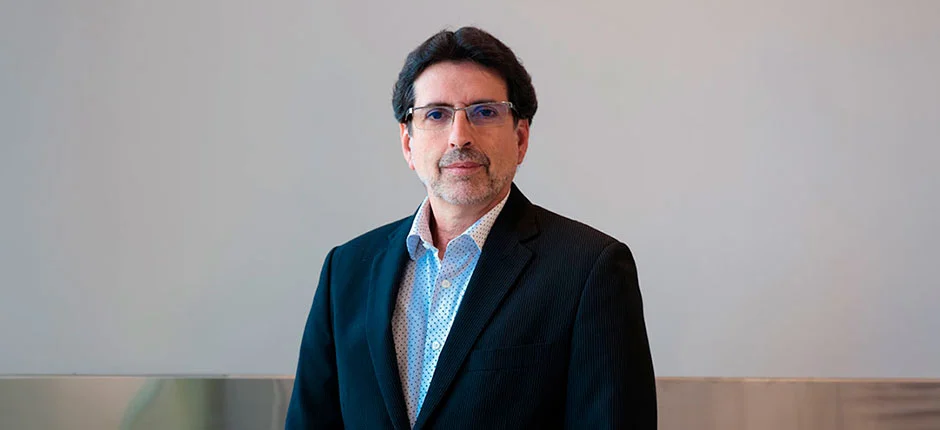
During the forum "El Niño Phenomenon: Prevention, Infrastructure, and Defense of Regional Production," organized by the National Society of Industries (SNI), CONFIEP President Jorge Zapata Ríos unveiled the scale of the private sector’s intervention.
The most significant portion of this effort comes from AGAP, its associated guilds, and various agricultural, agro-export, and agro-industrial companies. These entities have pledged a total of S/ 108 million to fortify the nation against the impending climate crisis. This commitment is bifurcated into immediate operational support and long-term structural investment:
- Immediate Response (S/ 8 million): This initial capital is being deployed directly into critical preventative infrastructure. The funds are providing essential combustible, heavy machinery, and technical resources to facilitate the clearing of river channels, the reinforcement of riverbanks, the protection of intake structures (bocatomas), and the stabilization of bridges and irrigation systems. These efforts are targeted at high-risk zones, coordinated strictly with government authorities to ensure that resources reach the most vulnerable areas before the onset of heavy rains.
- Long-term Structural Investment (S/ 100 million): Beyond immediate disaster relief, AGAP has committed to a multi-year investment plan. This funding will be channeled through a mix of direct donations, "Obras por Impuestos" (Works for Taxes – OxI), and the emerging "Servicios por Impuestos" (Services for Taxes – SxI) mechanisms. This strategy aims to ensure that regional infrastructure is not merely repaired, but resilient enough to withstand future climatic shocks.
Chronology of Action: From Planning to Execution
The mobilization did not occur in a vacuum. It follows months of climate monitoring and warnings issued by the National Committee for the Study of El Niño (ENFEN).
- Phase I: Early Warning and Coordination: Following initial alerts of a warming sea surface temperature, the private sector began mapping regional risks. AGAP identified the northern regions of Peru—the epicenter of agro-industrial production—as the primary zone requiring urgent hydraulic intervention.
- Phase II: Strategic Partnerships: The Romero Foundation acted as a catalyst for regional intervention by signing a landmark agreement with the National Water Authority (ANA). This partnership, valued at over S/ 7 million, focuses specifically on the Piura River, an area historically devastated by flooding.
- Phase III: Execution (Current): As of the present, the deployment of machinery and fuel is underway. The Romero Foundation’s contribution is currently enabling the cleaning and desilting of nearly five kilometers of the Piura River. This work is critical to restoring the river’s hydraulic capacity, effectively lowering the water level threshold and providing a safety buffer for surrounding communities and agricultural fields.
- Phase IV: Regulatory Advocacy: Concurrently, CONFIEP has transitioned into an advocacy role, pushing for legislative adjustments that would allow for faster, more agile private sector interventions through tax-incentivized mechanisms.
Supporting Data: Why the Piura River and Agricultural Infrastructure Matter
The emphasis on agricultural infrastructure is not merely a matter of protecting corporate assets; it is a matter of national food security. The agricultural sector is a cornerstone of Peru’s economy, contributing significantly to GDP and employment.
- Hydraulic Optimization: The clearing of river channels is the most effective way to prevent the "overflow" effect that leads to flash floods. By increasing the hydraulic capacity of rivers like the Piura, the risk of inundation to local housing and infrastructure is reduced by a significant percentage.
- The Power of OxI and SxI: The "Obras por Impuestos" (Works for Taxes) mechanism has historically been a successful vehicle for infrastructure development in Peru. By allowing companies to finance public works directly in exchange for tax credits, the government bypasses bureaucratic bottlenecks that often plague public tenders. The industry is now pushing for "Servicios por Impuestos" (Services for Taxes) to be applied with similar efficacy to speed up the maintenance of essential services.
Official Responses: A Call for Unified Action
CONFIEP President Jorge Zapata Ríos utilized the SNI forum to issue a clarion call to the wider business community. "These donations are an example for other companies to follow," Zapata stated. "I call on more companies to join this effort."
The official stance of the private sector is clear: they are no longer waiting for centralized government action to solve every localized problem. Instead, they are positioning themselves as partners in the state’s disaster risk management strategy. However, the success of this model relies heavily on the state’s willingness to streamline the regulatory environment.
Zapata’s remarks regarding "Servicios por Impuestos" underscore a critical tension in the current administrative landscape: "We need to approve this mechanism of Services for Taxes, which could be much more agile. We must provide the text of the regulation with the necessary agility so that we can intervene quickly." The argument is that in a climate emergency, administrative speed is as important as the funding itself.
Implications: The Future of Public-Private Disaster Management
The implications of this movement are far-reaching for Peru’s socio-economic landscape:
1. Shift in Corporate Social Responsibility (CSR)
This is not traditional charity. This is strategic infrastructure investment. By shifting from small-scale social programs to large-scale hydraulic and civil engineering projects, the private sector is effectively stepping into a role that traditionally belongs to the Ministry of Housing or regional governments.
2. Economic Resilience
The protection of agricultural zones is vital for the stability of regional economies. A successful prevention campaign—facilitated by this S/ 115 million investment—prevents the loss of thousands of jobs and the destruction of export supply chains that would otherwise occur if the El Niño phenomenon hits with full force.
3. Strengthening the State
By leveraging OxI and SxI, the private sector is providing the government with the necessary "breathing room" to handle other aspects of the disaster response, such as healthcare and emergency housing, while the business sector handles the technical and logistical heavy lifting of infrastructure maintenance.
4. A Model for Latin America
If the integration of private capital into the state’s emergency response proves effective, it could serve as a model for other Latin American nations prone to the impacts of climate change. The combination of local expertise (from the producers) and regulatory flexibility (from the government) provides a blueprint for managing environmental risks that are becoming increasingly common and intense.
Conclusion
The proactive stance taken by AGAP, the Romero Foundation, and the broader CONFIEP membership marks a turning point in Peruvian disaster management. By committing over S/ 115 million, these organizations are signaling that the era of passive observation is over. As the threat of El Niño looms, the collaboration between private capital and the National Water Authority represents a vital defense line.
However, as Jorge Zapata Ríos aptly noted, the final hurdle is bureaucratic. For this capital to be truly effective, the legislative framework must evolve to match the urgency of the climate. The success of this initiative will be measured not just in the millions of soles invested, but in the bridges that hold, the fields that stay dry, and the families who remain safe when the rains finally come. The private sector has laid its cards on the table; the ball is now in the court of the legislative and executive branches to provide the agility required to secure the nation’s future.