Executive Summary: A Diplomatic Rupture
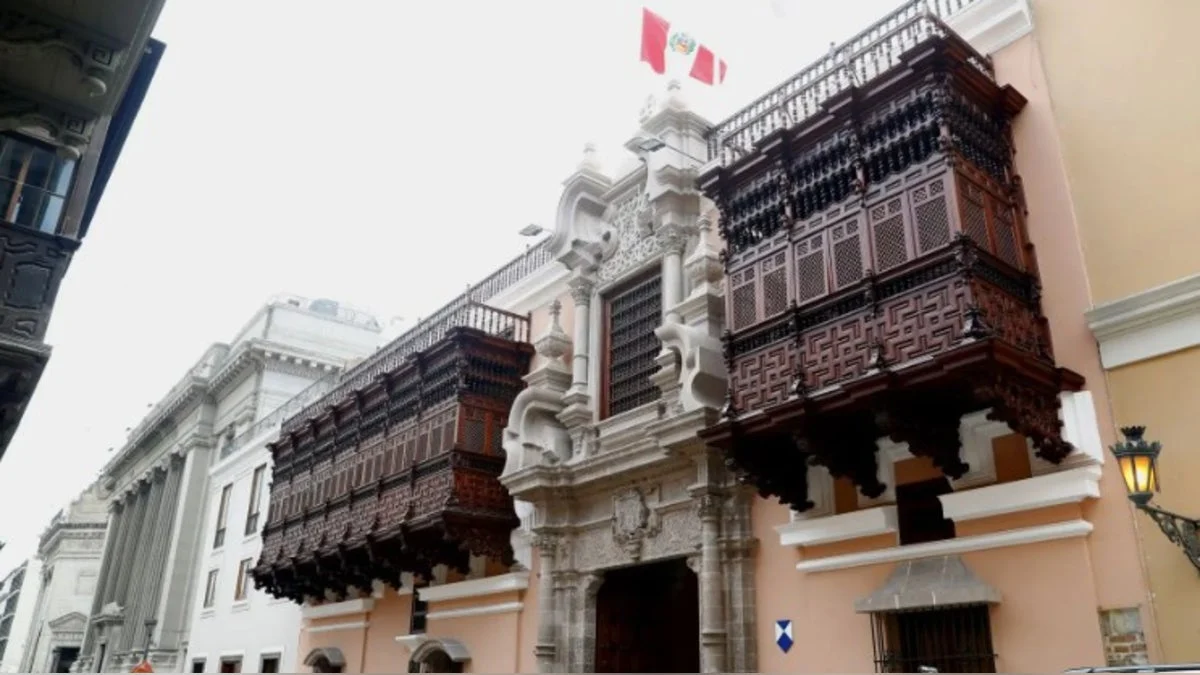
In a significant shift in its foreign policy landscape, the Government of Peru, acting through its Ministry of Foreign Affairs, has officially announced the severance of diplomatic relations with the Islamic Republic of Iran. This bold decision, described by officials as a necessary step to uphold the "fundamental principles" of Peruvian foreign policy, marks a profound escalation in the bilateral tensions between Lima and Tehran.
The move comes as a response to what the Peruvian administration identifies as a systemic and "growing deterioration" of democratic institutions and human rights standards within the Iranian state. By cutting ties, Peru joins a select group of nations that have chosen to prioritize ideological and human rights alignment over traditional diplomatic channels with the Islamic Republic. The decision, as stated by the Foreign Ministry, is deeply rooted in the nation’s "firm commitment to the defense of democracy" and international legal norms.
The Chronology of Tension: From Cooperation to Confrontation
The Evolving Relationship
For years, Peru and Iran maintained a relationship defined by low-intensity cooperation and formal diplomatic protocols. However, the trajectory of these ties began to shift significantly following the internal upheavals within Iran and the subsequent international outcry regarding the regime’s response to domestic dissent.
Escalation Timeline
- Late 2022 – Early 2023: Global reports regarding the "Woman, Life, Freedom" movement in Iran began to resonate within the halls of the Peruvian Foreign Ministry. Peru joined several international forums to express concern over the violent suppression of protestors.
- Mid-2024: Mounting evidence presented by various United Nations human rights rapporteurs placed renewed pressure on nations with ties to Tehran. The Peruvian government, led by the Ministry of Foreign Affairs, initiated a formal review of its bilateral agreements.
- The Breaking Point: Following months of internal deliberation, the Peruvian government determined that continued diplomatic engagement with Tehran was incompatible with its stated commitment to democratic integrity.
- The Formal Announcement: In a decisive pronouncement, the Ministry of Foreign Affairs communicated the rupture, citing the "untenable" nature of the relationship given the ongoing human rights violations.
Supporting Data: Why Peru Took a Stand
The decision to break ties was not made in a vacuum. It was informed by a wealth of data compiled by international bodies, which the Peruvian government has integrated into its diplomatic rationale.
1. Repression of Peaceful Manifestations
The Ministry cited the brutal crackdown on citizens who have taken to the streets to demand political reform. Reports from independent observers confirm that the Iranian state’s response has frequently involved excessive force, arbitrary arrests, and, in many cases, lethal violence against non-violent demonstrators.
2. Restrictions on Freedom of Press
Peru has underscored the systematic dismantling of independent media within Iran. The imprisonment of journalists, the blocking of internet access, and the harassment of media outlets have been flagged as clear indicators of a regime attempting to insulate its populace from global scrutiny and internal accountability.
3. Systematic Discrimination Against Women and Girls
The "Gender Apartheid" argument, increasingly used by international human rights organizations, was a focal point of the Peruvian communique. The government expressed "consternation" regarding the enforcement of draconian dress codes and the legal limitation of rights for women, which effectively relegate them to second-class citizenship.
4. Persecution of Political Opponents
The government noted the suppression of political pluralism. The detention of activists, lawyers, and members of minority groups—often under dubious legal charges—served as the final catalyst for the decision to downgrade the relationship to zero.
Official Responses and Diplomatic Fallout
The Peruvian Government’s Stance
In its official statement, the Ministry of Foreign Affairs emphasized that this is a matter of principle rather than merely political expediency. "Democracy is not merely a preference; it is a fundamental pillar of our statecraft," a spokesperson stated. The move is designed to send a clear signal to the international community that Peru will not lend the legitimacy of diplomatic recognition to regimes that systematically violate the fundamental human rights of their citizens.
The Perspective of International Bodies
While the Iranian government has not yet issued a detailed rebuttal, they have historically dismissed such moves as "politically motivated interference" by Western-aligned nations. Meanwhile, the United Nations has consistently called for member states to exert diplomatic pressure on Tehran regarding its human rights record. Peru’s decision is likely to be viewed by the UN Human Rights Council as a significant step in the global effort to hold Iran accountable.
Implications of the Severance
Geopolitical Consequences
The rupture of diplomatic relations between Peru and Iran carries several immediate and long-term implications for South American geopolitics.
- Regional Alignment: This move positions Peru as a proactive defender of democratic values in the Southern Hemisphere, potentially influencing other nations in the region to re-evaluate their own ties with regimes accused of human rights abuses.
- Bilateral Economic Impact: While trade between Peru and Iran is relatively modest compared to other partners, the closure of embassies will inevitably lead to a total cessation of formal bilateral commerce, affecting any existing energy or agricultural agreements.
- Diplomatic Isolation: For Iran, the loss of an embassy in Lima represents another notch in its increasing diplomatic isolation in Latin America, limiting its ability to engage in formal government-to-government discussions in the Andean region.
The "Democratic Clause" in Foreign Policy
The move highlights a growing trend among mid-sized powers: the adoption of a "values-based" foreign policy. Peru is signaling that it intends to prioritize its international image as a stable, rule-of-law-abiding democracy. This may strengthen Peru’s standing in organizations such as the OECD and other global governance forums, even if it creates friction with non-democratic powers.
Potential Risks and Challenges
Diplomatic rupture is a blunt instrument. By severing ties, Peru loses its most effective channel for direct dialogue and consular assistance. The government must now navigate the complexities of protecting any citizens who may be traveling or residing in the region, likely requiring the assistance of a third-party "protecting power" (a neutral nation that represents the interests of the severed parties).
Conclusion: A New Chapter in Peruvian Diplomacy
The decision to break ties with the Islamic Republic of Iran is a defining moment for the current Peruvian administration. It represents a pivot away from a strictly pragmatic foreign policy toward one that is increasingly guided by ethical considerations and the protection of global human rights.
As the international community watches, the impact of this decision will likely ripple across both the Middle East and South America. Whether this move serves as a catalyst for broader regional change or remains an isolated diplomatic gesture remains to be seen. What is clear, however, is that Peru has chosen to stake its reputation on the defense of the very democratic ideals that it identifies as the bedrock of its own domestic stability.
Note: This is a developing situation. Further updates regarding the logistics of embassy closures, the status of diplomatic personnel, and the international reaction to this unprecedented decision will follow as more information becomes available.