Executive Summary: A City Under Siege
The city of Trujillo, located in the northern La Libertad region of Peru, was shaken to its core this week following a brazen and violent abduction that left four people dead and a prominent local businessman held captive. The operation, which utilized sophisticated criminal tactics, has sparked a national outcry and prompted a strong response from the highest levels of the Peruvian government.
President Keiko Fujimori publicly commended the Peruvian National Police (PNP) for their "rapid and firm response" to what she termed a "repudiable crime." The police successfully rescued Jenss Lara Tantaquilla, a 31-year-old mining entrepreneur, following a high-intensity operation that resulted in the arrest of five individuals linked to the notorious criminal organization known as "Los Pulpos." While the rescue of the businessman marks a tactical success for law enforcement, the loss of four lives during the initial kidnapping has cast a somber shadow over the region, reigniting intense national debates regarding public safety and the rising influence of organized crime in Peru’s northern provinces.
Chronology of the Tragedy
The sequence of events unfolded with surgical precision, suggesting that the perpetrators had conducted significant surveillance of their target.
The Ambush
On the afternoon of the incident, Jenss Lara Tantaquilla was traveling along the busy Avenida Húsares de Junín in Trujillo. He was accompanied by a security detail, reflecting the heightened threat levels often faced by figures in the mining sector. Suddenly, the convoy was intercepted by a white pickup truck. The assailants, displaying an alarming level of coordination, were dressed in convincing replicas of official police uniforms, a ruse designed to confuse both the victims and onlookers.
The criminals initiated a fake police traffic stop, forcing the businessman’s vehicle to halt. When the security detail recognized the discrepancy, the situation devolved into violence. The gunmen opened fire with automatic weapons, killing all four individuals accompanying Lara Tantaquilla: Farhad Andrea Monzón Lingán, Nadia Edith Urtecho Rodríguez, and the two security guards, Luis Alberto Rojas Ramos and Christopher Eduardo García Álvarez. With the resistance neutralized, the kidnappers forcibly extracted the businessman from his vehicle and fled the scene.
The Police Response and Rescue
Following the report of the abduction, the Peruvian National Police initiated a high-alert "Plan Cerco." Leveraging intelligence gathered from the crime scene and local informants, specialized units tracked the movement of the kidnappers to a hideout in the outskirts of the city.
In an operation that lasted several hours, PNP tactical teams surrounded the premises. The raid was decisive. According to official reports from the Ministry of the Interior (Mininter), police managed to secure the safe release of Mr. Lara Tantaquilla while simultaneously capturing five suspects who were present at the location. The speed of the rescue operation prevented the kidnappers from relocating the hostage, a common tactic used to evade law enforcement.
Supporting Data: The Anatomy of the Criminal Enterprise
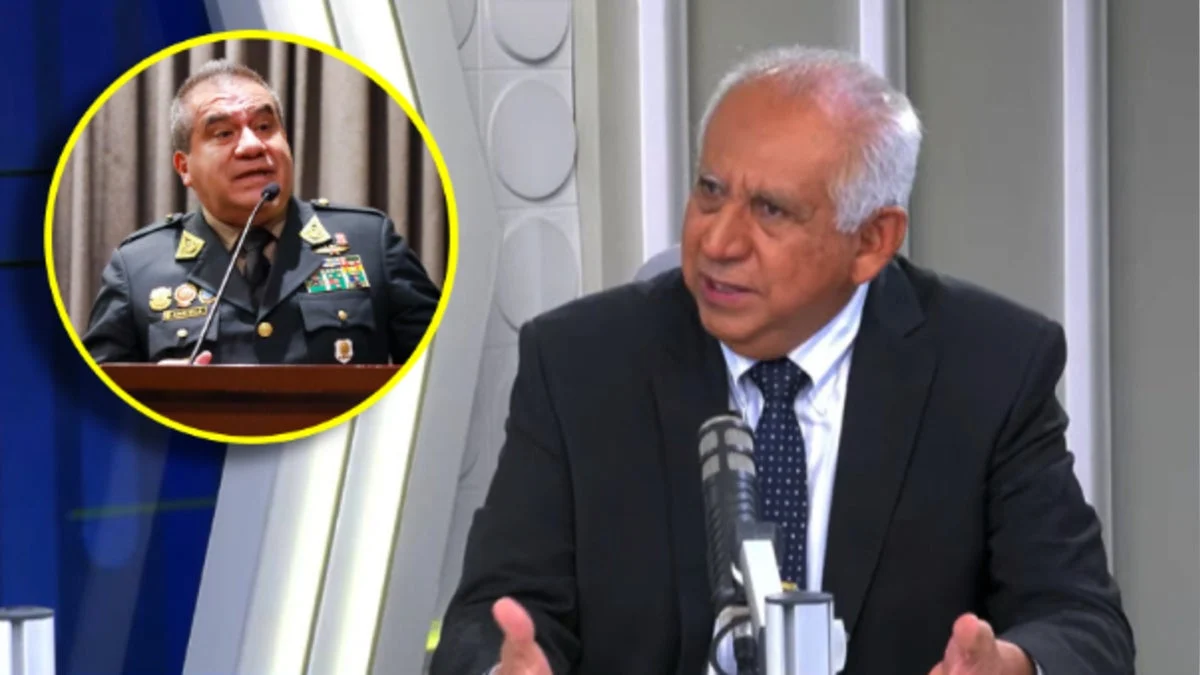
The identity of the detainees provides a grim look into the operational capacity of criminal syndicates in the La Libertad region. The Commander General of the PNP, Óscar Arriola Delgado, confirmed that the five individuals in custody are allegedly linked to "Los Pulpos," a criminal organization that has long been accused of extortion, kidnapping, and contract killings in northern Peru.
The suspects identified are:
- Frank Quezada Cruz, alias "Ñato"
- Julio Zavaleta Quezada, alias "Juliacho"
- César García Rivera, alias "Bolacho"
- Ángel Bocanegra Linares, alias "Folo"
- José Cherrepe Dávila, alias "Ares"
These individuals are currently being processed by the Public Ministry. Preliminary investigations suggest that the kidnapping was not a random act of violence, but a premeditated extortion attempt aimed at extracting a significant ransom from the mining sector. The use of fake police uniforms is a growing trend, complicating the efforts of law enforcement to distinguish legitimate authority from criminal actors, and creating a climate of fear among civilians who are increasingly wary of uniformed officers.
Official Responses: Government Resolve vs. Public Demand
The magnitude of the event prompted immediate intervention from the Executive branch. President Keiko Fujimori utilized her platform on X (formerly Twitter) to address the nation, expressing her "deepest condolences and solidarity" with the grieving families of the four victims.
"My recognition goes to our PNP for their rapid and firm response in this case," the President stated. "No vamos a dar tregua a la delincuencia. El Gobierno responderá con firmeza" (We will not grant any truce to criminality. The government will respond with firmness).
The President’s rhetoric signals a shift toward a more aggressive stance against organized crime. By publicly backing the police, the administration aims to bolster morale within the force, which has faced mounting pressure to address the soaring rates of violent crime in cities like Trujillo. However, the government faces a daunting challenge: the incident has highlighted the vulnerability of even the most well-protected individuals, leaving the general public to wonder if state institutions are truly capable of curbing the power of syndicates like "Los Pulpos."
Implications for Public Policy and Security
The Trujillo incident serves as a bellwether for the security crisis currently gripping various parts of Peru. Several critical implications arise from this event:
1. The Proliferation of Organized Crime
"Los Pulpos" and similar gangs have moved beyond traditional street crime to engage in complex operations such as kidnappings of business figures. This indicates a high level of organization, access to weaponry, and potential corruption within official channels that allows them to acquire police insignia and information on target movements.
2. The Erosion of Public Trust
The use of fake police uniforms to carry out kidnappings is particularly dangerous. When citizens cannot distinguish between the state and criminal actors, the social contract begins to erode. This forces the government to rethink police visibility and the security protocols for high-risk individuals. There is now an urgent call for stricter control over the sale and distribution of tactical gear and police-style uniforms.
3. The Need for Intelligence-Led Policing
While the rescue operation was a tactical success, the fact that the kidnapping occurred in broad daylight in a city center suggests significant gaps in preventive intelligence. Experts argue that the government must move from a reactive posture—responding after the crime occurs—to a proactive model that dismantles these organizations before they can execute such violent acts.
4. Economic Impact on Mining
As the victim was a mining entrepreneur, this event has sent ripples through the economic sector. Mining is a cornerstone of the Peruvian economy, and the perception that industry leaders are being targeted by sophisticated criminal syndicates could stifle investment and economic development in the northern regions. The government is now under pressure to provide specialized security corridors and support for the business community to prevent capital flight.
Conclusion: A Turning Point?
The tragedy in Trujillo is more than a single criminal event; it is a manifestation of the structural challenges facing Peru. While the swift rescue of Jenss Lara Tantaquilla serves as a testament to the capabilities of the Peruvian National Police when fully mobilized, the death of the four victims remains an indelible stain on the safety record of the region.
President Fujimori’s promise of "no truce" for criminals will be tested in the coming months. The success of this administration will not only be measured by the number of arrests made in the wake of this tragedy but by the long-term ability of the state to dismantle the infrastructure of the criminal organizations that continue to operate with near-impunity. As the nation watches, the focus remains on whether this incident will catalyze a comprehensive security overhaul or if it will be remembered as yet another cycle of violence in the ongoing struggle against organized crime in Peru.