The landscape of El Salvador’s national infrastructure is poised for a significant transformation. The Ministry of Public Works (MOP) has officially confirmed a critical milestone in the development of the "Bypass de Apopa"—a strategic infrastructure project designed to alleviate one of the most severe traffic bottlenecks in the San Salvador metropolitan area. With the recent reception and opening of construction bids, the project is moving steadily from the planning phase toward active deployment, promising to redefine connectivity for the northern corridor of the country.
Main Facts: A Structural Solution for Apopa
The Apopa Bypass is not merely a road expansion; it is a comprehensive engineering solution intended to decouple local urban transit from regional logistics. Spanning approximately 4.8 kilometers, the new highway is designed to act as a high-capacity artery that will bridge the gap between the "Carretera de Oro" (Gold Highway) and the "Troncal del Norte."
By establishing this direct link, the MOP intends to divert heavy transit and long-distance commuters away from the congested urban core of Apopa. The project’s technical specifications are ambitious, featuring a four-lane highway design capable of handling high-volume traffic. Perhaps most impressive is the inclusion of 12 distinct bridges, including a signature cable-stayed bridge, which will be necessary to navigate the complex topography of the region. This infrastructure is specifically designed to provide a fluid, high-speed alternative to the current gridlocked urban routes.
Chronology: From Concept to Procurement
The journey toward the Apopa Bypass has been characterized by rigorous planning and an emphasis on technical viability. While the project has been in the conceptualization and feasibility study stages for some time, the last few months have marked a rapid acceleration in administrative processes.

- Feasibility and Design Phase: Initial studies were conducted to assess the impact of existing traffic saturation. Engineers determined that the intersection of the Carretera de Oro and the Troncal del Norte had become a focal point of systemic failure in the northern road network.
- Public Tender Announcement: Following the approval of the project design, the MOP initiated the public procurement process, inviting national and international firms to submit bids for the engineering, procurement, and construction (EPC) of the bypass.
- Bid Reception and Opening (Current Status): In a transparent display of the project’s progress, the MOP recently concluded the formal opening of the submitted bids. This stage is pivotal, as it allows the government to evaluate the technical and financial proposals of the interested parties.
- Pending Milestones: While the ministry has not yet disclosed the specific timeline for the groundbreaking ceremony or the name of the winning contractor, the successful opening of the bids signifies that the project has successfully navigated the most sensitive bureaucratic hurdle.
Supporting Data: The Case for Urgent Action
The necessity of the Apopa Bypass is underscored by stark statistical reality. According to data provided by the Ministry of Public Works, more than 50,000 vehicles transit through the current Apopa corridors every single day. This volume of traffic far exceeds the original design capacity of the existing infrastructure, resulting in daily bottlenecks that last for several hours.
The socio-economic impact of this congestion is profound. It results in thousands of man-hours lost in traffic, increased fuel consumption, higher vehicle maintenance costs for logistics companies, and a significant environmental toll due to idling engines in the urban core. The "saturation" mentioned by the MOP is a polite term for a system operating well beyond its limits. By providing an alternative route, the Bypass of Apopa is expected to reduce transit times for thousands of commuters, effectively creating a more efficient logistics chain that connects the interior of the country to the capital.
Official Responses and Strategic Vision
The Ministry of Public Works has been proactive in communicating the importance of this project to the public. In recent statements, MOP representatives have framed the Apopa Bypass as a cornerstone of the current administration’s "mega-projects" strategy.
"By the moment, we have already performed the reception and opening of offers for the construction of this mega-project, which will strengthen mobility and improve the connection to the north of the country," a spokesperson for the Ministry stated.

The government’s narrative is consistent: they view infrastructure as the bedrock of economic development. By investing in high-capacity corridors, the MOP argues that they are not only solving an immediate traffic problem but are also creating the conditions necessary for regional commercial growth. The inclusion of modern engineering elements, such as the aforementioned cable-stayed bridge, also serves as a point of national pride, signaling that El Salvador is capable of executing complex civil engineering tasks on par with international standards.
Implications: A New Era for Northern El Salvador
The implications of the Apopa Bypass extend far beyond the immediate reduction of travel times.
Economic Impact
Improved logistics are a catalyst for investment. By facilitating smoother transit for cargo trucks moving toward the northern departments, the bypass will likely lower transportation costs. Lower logistics costs generally translate into lower prices for consumer goods and increased competitiveness for local industries that rely on timely supply chains.
Urban Development and Quality of Life
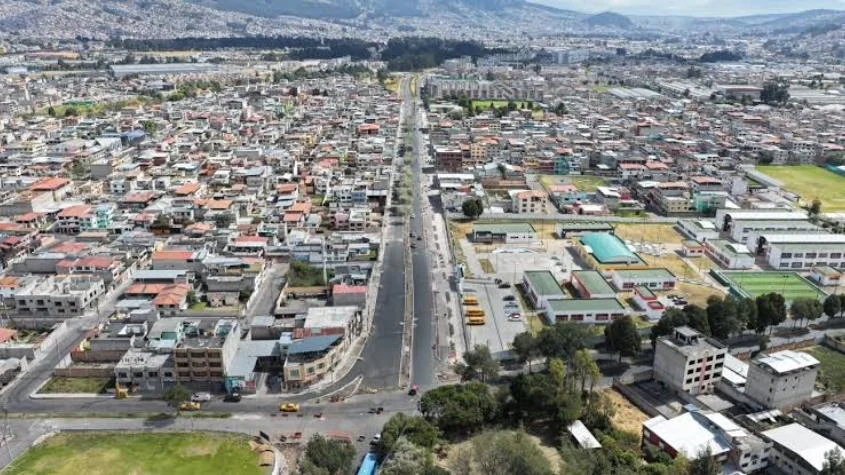
For the residents of Apopa, the project represents a return to a more manageable urban environment. Currently, the city’s streets are essentially treated as national highways, leading to noise pollution, safety risks for pedestrians, and the degradation of local infrastructure. Diverting 50,000 vehicles to a peripheral bypass will allow the municipality to reclaim its urban spaces, potentially leading to improved local commerce, better public safety, and a general enhancement of the living conditions for residents.

Regional Connectivity
The northern region of El Salvador has historically been underserved in terms of high-speed connectivity compared to the coastal and central corridors. The Apopa Bypass serves as a vital link that reinforces the connectivity of the entire northern zone. It creates a more cohesive national road network, allowing for faster emergency response times, better access to healthcare and educational facilities in the capital for those living in the north, and a more integrated national economy.
Technical Challenges and Environmental Considerations
While the project is highly anticipated, its successful execution will require meticulous attention to environmental and social safeguards. Building a 4.8-kilometer road with 12 bridges through a developed, albeit congested, area will inevitably involve complex land acquisition processes and environmental impact assessments. The ministry has emphasized that the design is intended to minimize disruption to the existing urban fabric, yet the construction phase will be a test of the government’s ability to manage large-scale logistics and community relations in a dense urban environment.
Conclusion: A Strategic Pivot
The move to open the bids for the Apopa Bypass is a clear signal that the project is no longer a theoretical ambition but an impending reality. As El Salvador continues to modernize its infrastructure, the Apopa project stands as a testament to the government’s commitment to long-term systemic planning.
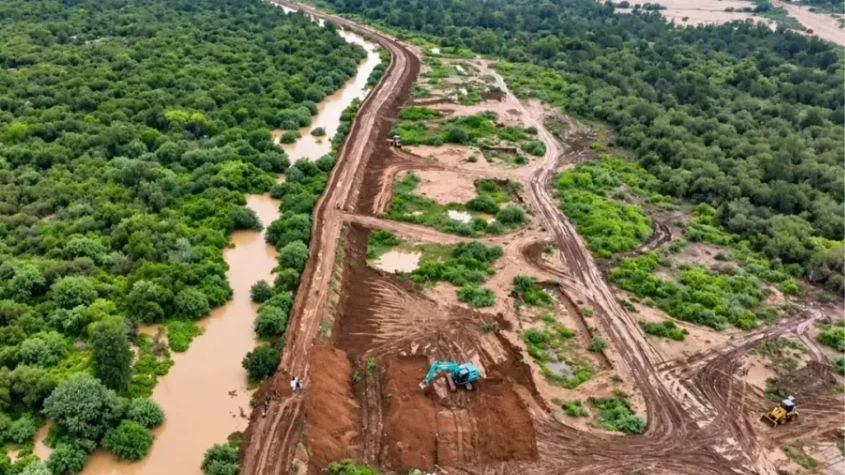
With the procurement process nearing its conclusion, the next phase will be the mobilization of heavy machinery and the start of earthworks. For the thousands of commuters who navigate the daily frustrations of the current Apopa traffic, the bypass represents hope for a more efficient, safer, and more productive future. As the project transitions into the construction stage, all eyes will be on the MOP to ensure that the execution matches the scale of the vision, ultimately delivering a world-class piece of infrastructure that will serve the people of El Salvador for decades to come.