By International News Desk
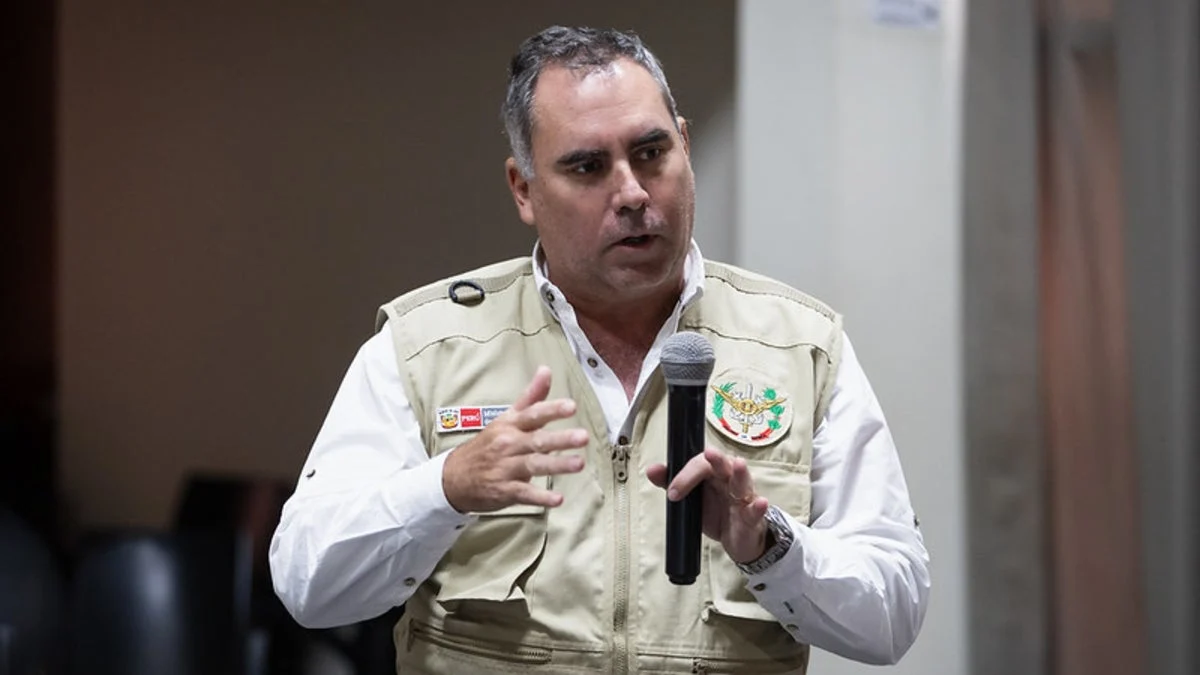
The city of Trujillo, the capital of Peru’s La Libertad region, remains under a state of high-alert following a brazen and cold-blooded criminal operation that has shaken the foundations of national security. On Sunday, Minister of Defense Rafael Belaúnde Llosa arrived in the northern city to spearhead an emergency security summit, following the kidnapping of mining entrepreneur Jenns Marty Lara Tantaquilla and the subsequent execution of his four companions in the heart of the city.
The incident, which authorities have linked to the notorious criminal syndicate "Los Pulpos," has exposed deep-seated vulnerabilities in the national penitentiary system and reignited the debate over the deployment of the Armed Forces in internal security operations.
The Anatomy of a Violent Abduction
The sequence of events began in the early hours of Sunday morning, transforming a quiet stretch of the Avenida Húsares de Junín into a scene of carnage. According to security footage and preliminary investigations, the abduction was executed with military-grade precision.
The perpetrators, estimated to be a well-organized tactical team, were disguised in uniforms nearly identical to those worn by the Grupo GRECCO—the elite tactical unit of the Peruvian National Police (PNP). By mimicking law enforcement officers, the criminals successfully intercepted the vehicle carrying Lara Tantaquilla.
The operation was not merely a kidnapping; it was a massacre. While the 31-year-old businessman was dragged from his vehicle and abducted, his four companions were brutally murdered on the spot. The precision of the uniforms, the tactical maneuvering, and the total lack of hesitation suggest that the assailants had been conducting surveillance on their targets for a significant period.
Chronology of a Failed Prevention
Intelligence reports obtained by RPP suggest that the kidnapping was not entirely unexpected. For at least three months, police intelligence units had been monitoring signals of a high-value abduction plot targeting individuals in the Trujillo area. Despite this, the specific identity of the target remained elusive until it was too late.
- Three Months Prior: Police intelligence warns of an imminent kidnapping plot in La Libertad.
- Early Sunday Morning: Perpetrators disguised as GRECCO officers intercept the vehicle of Jenns Marty Lara Tantaquilla.
- 02:00 – 04:00 AM: The abduction occurs; four individuals accompanying the businessman are found dead at the scene.
- Sunday Afternoon: Panic spreads through Trujillo as news of the attack surfaces.
- Sunday Night: Minister of Defense Rafael Belaúnde Llosa arrives at the Capitán FAP Carlos Martínez de Pinillos Airport in Huanchaco to oversee the crisis.
- Monday Morning: Massive "cordon and search" operations are initiated throughout the region, with the military providing perimeter support to the PNP.
The Invisible Puppet Master: The Threat from Within
Perhaps the most chilling aspect of the investigation is the confirmation that the operation was allegedly directed from behind prison bars. Minister Belaúnde identified a high-ranking criminal—known by the alias "John Pulpo"—as the mastermind behind the attack.
"This was coordinated from inside the prison," Belaúnde stated during an interview with the television program Cuarto Poder. "The prison system is effectively a trench for criminal activity, a sieve that allows for the orchestration of kidnappings and murders from the inside."
The Minister highlighted the systematic failure of the current penitentiary regime, noting that the continued flow of cellphones, SIM cards, and illicit communication from within prison walls makes the task of dismantling syndicates like ‘Los Pulpos’ nearly impossible.
Official Response: A Shift in Strategy
The arrival of the Minister of Defense in Trujillo signals a strategic shift. The meeting held late Sunday night included the highest echelons of the Peruvian security apparatus:
- Óscar Arriola: Commander General of the PNP.
- Víctor Revoredo: Chief of the Dirincri (Criminal Investigation Directorate).
- Ricardo Espinoza: Chief of the La Libertad Police Region.
The government’s primary response has been the implementation of "territorial cordons"—a strategy involving the simultaneous deployment of police and military units to isolate specific high-crime sectors. The goal is to conduct granular, street-by-street searches to locate the victim and apprehend the perpetrators before they can flee the region or eliminate the hostage.
The Legislative Push
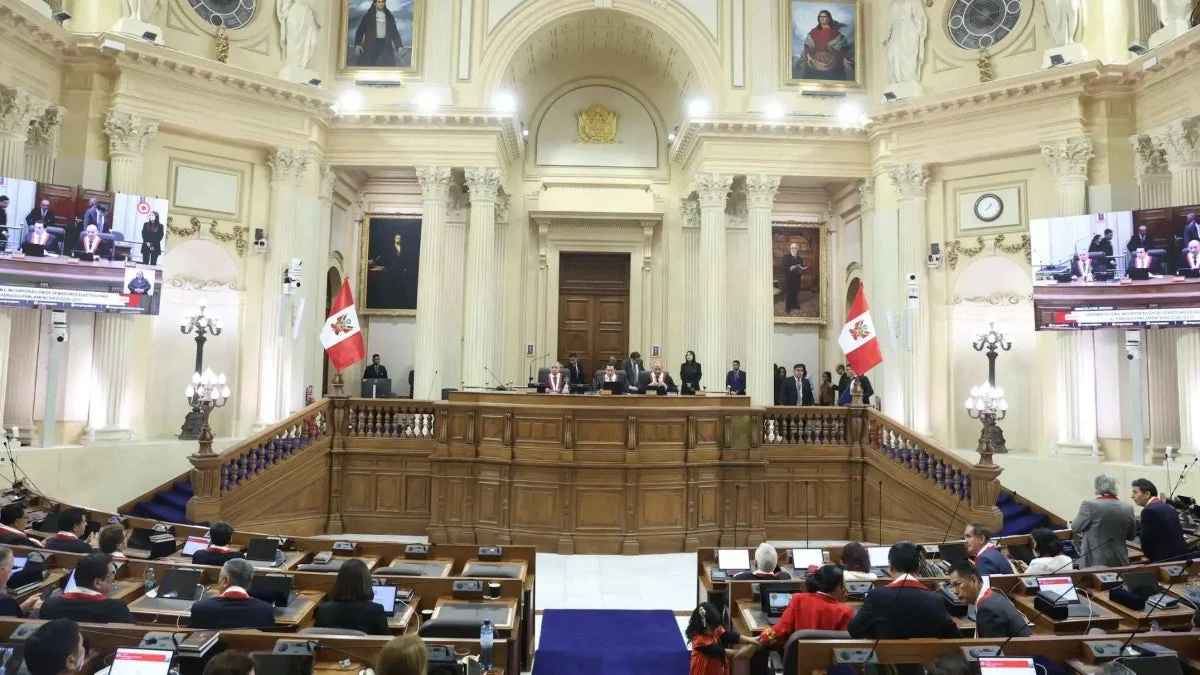
Beyond the immediate tactical response, Minister Belaúnde is pushing for a fundamental change in the relationship between the Armed Forces and domestic security. He is currently lobbying the Peruvian Congress to grant the Executive the power to authorize the Armed Forces to control the perimeter of the nation’s prisons.
"We need to stop the communication loop," Belaúnde argued. "If we control the perimeters, we stop the contraband. If we stop the contraband, we stop the crimes being ordered from inside."
Criminal Syndicates: From Petty Crime to Hostile Entities
The influence of ‘Los Pulpos’ has grown exponentially, evolving from local extortionists to a sophisticated transnational threat similar in structure to the ‘Tren de Aragua’. These groups have adapted to the digital age, using encrypted communications and intelligence-gathering techniques that often mirror those of the police.
Minister Belaúnde proposed a radical classification: labeling these criminal organizations as "hostile groups" against the State. This designation would effectively change the legal framework of engagement, allowing the military to utilize intelligence-gathering tools and "surgical" special operations—traditionally reserved for external conflict—against domestic criminal networks.
"What we need is to be able to use military intelligence and special operation groups of the Armed Forces to act surgically against these criminals," the Minister asserted.
Implications for Public Safety and National Governance
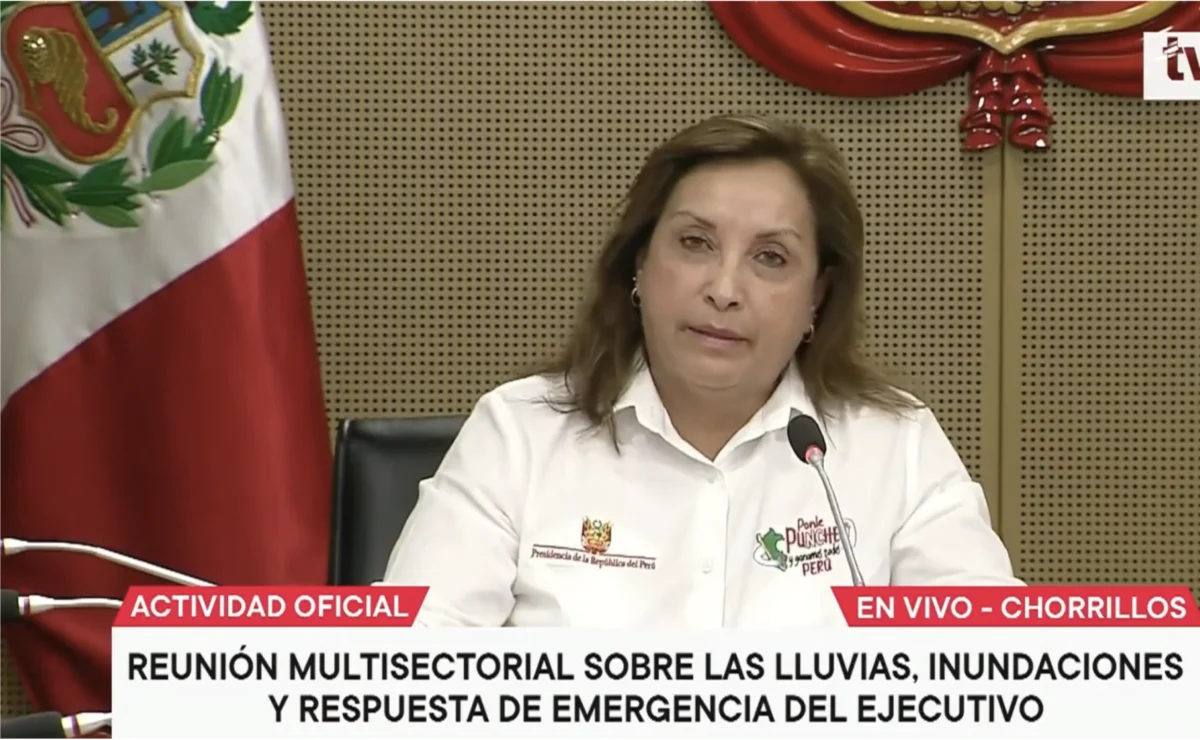
The crisis in La Libertad has profound implications for the administration of President Dina Boluarte and the broader stability of Peru.
1. The Erosion of Trust
The fact that criminals were able to impersonate police officers so effectively has dealt a severe blow to public confidence in the uniform. When citizens cannot distinguish between an officer of the law and a member of a criminal syndicate, the social contract begins to fracture.
2. The Militarization of Security
The call to involve the military in internal security is a polarizing issue. While many residents in Trujillo, exhausted by the rising wave of extortion and kidnapping, support a more aggressive approach, human rights organizations and legal experts warn of the dangers of blurring the lines between military duties and civil policing.
3. The Prison System as a Black Hole
The revelations regarding "John Pulpo" underscore a systemic failure that has persisted for decades. The prison system, intended to rehabilitate and sequester, has instead become an incubator for organized crime. Without radical reform—including the installation of advanced signal jammers, corruption-proof guards, and strict surveillance—the government’s efforts to curb street violence will continue to be reactive rather than preventative.
Looking Ahead
As the search for Jenns Marty Lara Tantaquilla enters its most critical phase, the atmosphere in Trujillo is one of tense anticipation. The military patrols, the checkpoints, and the presence of high-ranking government officials demonstrate a state that is finally treating organized crime as an existential threat rather than a public order issue.
However, the success of these measures will depend on the government’s ability to sustain this pressure without resorting to short-term populist solutions. The fight against ‘Los Pulpos’ is not just a search-and-rescue operation; it is a test of the Peruvian State’s ability to reassert its monopoly on violence and secure its citizens’ right to live free from the fear of kidnapping and organized slaughter.
For now, the country watches the northern coast, waiting for news of the hostage and looking for signs that the government’s new, aggressive approach will yield more than just headlines.