In a significant move to overhaul the traffic infrastructure of Lima’s eastern districts, the Municipality of Lurigancho-Chosica has officially announced a collaborative project with the Metropolitan Infrastructure Maintenance Company (EMAPE). The initiative involves the installation of three state-of-the-art, double-lane modular bridges designed to alleviate chronic traffic congestion and streamline connectivity between Chosica, Chaclacayo, and Ate.
Main Facts: A New Era for Eastern Connectivity
The project represents a vital intervention in one of Lima’s most historically congested corridors. By deploying three distinct modular bridge structures, municipal authorities aim to address the logistical bottlenecks that have long plagued commuters, students, and local businesses in the Lurigancho-Chosica district.
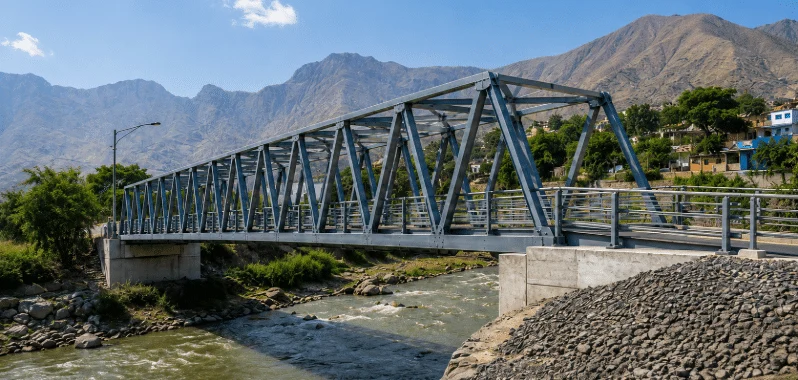
The modular nature of these bridges—a hallmark of modern civil engineering—allows for rapid assembly and installation, significantly reducing the duration of construction-related traffic disruptions. Each bridge is designed as a double-lane structure, capable of handling higher volumes of vehicular traffic compared to existing aging or single-lane infrastructure.
The three strategic locations identified for this project are:
- The Cantuta Bridge: Located near the current "Puente Caracol," this structure will serve as a vital link to the Universidad Nacional de Educación Enrique Guzmán y Valle (La Cantuta). It is expected to drastically reduce commute times for thousands of students, academic staff, and local residents.
- The Vallecito Bridge: Situated near the "El Cuadro" sector, this bridge will provide a crucial connection between Chaclacayo and Lurigancho-Chosica. Its proximity to the new Morón/Girasoles bridge is intended to create a secondary bypass network, effectively spreading the load of heavy transit away from the central highway.
- The Santa Clara/Santa Rosa Bridge: This structure will be erected adjacent to the existing Santa Clara bridge, targeting the high-traffic boundary between Lurigancho-Chosica and Ate. This location is a critical node for cargo transport and daily commuters entering the capital from the eastern highlands.
Chronology of Development
The path to this infrastructure overhaul began with a comprehensive traffic flow analysis conducted by the municipal engineering department. Recognizing that the "Carretera Central" (Central Highway) has reached its capacity, the municipal government initiated high-level negotiations with the Municipalidad Metropolitana de Lima (MML) and EMAPE.

- Q1 2026: Initial site surveys and structural feasibility studies were completed. The data confirmed that the current bottleneck points were causing delays of up to 90 minutes during peak hours.
- Q2 2026: Formal agreements were signed between the Lurigancho-Chosica district and EMAPE, solidifying the technical and financial support for the modular bridge program.
- August 2026: Public announcement of the project locations and naming conventions.
- Upcoming Phase: Final site preparation and procurement of the modular steel units, with installation slated to commence in the coming weeks.
Supporting Data: Why Modular Infrastructure?
Urban planning experts note that the choice of modular bridges is not merely a cost-saving measure but a strategic response to the specific geography of the Rímac River valley.
Engineering Advantages
Modular bridges, often manufactured from prefabricated steel components, offer high tensile strength and durability. For a region prone to seasonal seismic activity and flooding, these structures offer several advantages:
- Rapid Deployment: Unlike traditional poured-concrete bridges, which require months of scaffolding and curing, modular units can be assembled in a fraction of the time.
- Maintenance Efficiency: Individual components of a modular bridge can be replaced or repaired without shutting down the entire structure, ensuring long-term operational continuity.
- Load Bearing: Designed to accommodate the heavy vehicular traffic typical of the Carretera Central, including freight trucks, these bridges meet international standards for heavy-duty transit.
Traffic Impact Projections
The municipality estimates that upon completion, these three bridges will reduce local transit congestion by approximately 25-30% within the first year. By diverting traffic from the primary arterial highway to these secondary link points, the flow of public transportation—specifically the buses and "combis" that serve the student population—will see improved frequency and reliability.
Official Responses and Stakeholder Engagement
The announcement has been met with broad support from both local government officials and regional transport stakeholders.
"This is not just about building bridges; it is about reclaiming time for our citizens," stated a spokesperson for the Lurigancho-Chosica municipal office. "By partnering with EMAPE, we are utilizing the technical expertise of the Metropolitan government to resolve problems that have persisted for decades. The Cantuta bridge, in particular, has been a long-standing request from the academic community."

EMAPE, acting as the primary technical partner, has committed to providing the specialized equipment and engineering oversight required for the installation. The partnership underscores the importance of inter-district cooperation in managing the greater Lima metropolitan area’s complex urban sprawl.
Local neighborhood associations in Santa Clara and the surrounding areas of the Cantuta sector have expressed cautious optimism, noting that the success of the project will depend on the traffic diversion plans implemented during the construction phase.
Implications for Urban Mobility and Economic Growth
The broader implications of this project extend far beyond mere convenience. Improved infrastructure serves as a catalyst for economic development in the eastern part of the city.
Enhancing Academic and Economic Access
The proximity of the "Cantuta Bridge" to the university is expected to stimulate local commercial growth. Easier access for students and faculty often leads to a rise in demand for local services, housing, and food retail. Similarly, the "Vallecito Bridge" acts as a bridge between two districts that have become increasingly integrated. By smoothing the transit between Chaclacayo and Chosica, the project encourages a more fluid labor market and expanded trade opportunities between neighboring districts.
Decongesting the Central Corridor
The Central Highway (Carretera Central) is one of the most vital economic arteries in Peru, serving as the main conduit for goods arriving from the central mining and agricultural regions. However, it is also a primary residential road for hundreds of thousands of people. By providing secondary paths through these three new bridges, the project effectively separates local traffic from regional cargo transit. This separation is essential for reducing the high rate of traffic accidents and pedestrian hazards currently present on the main highway.

Future-Proofing for Growth
As the population of the eastern districts continues to rise, the demand for better infrastructure will only intensify. This modular approach provides the municipal government with a scalable solution. If successful, this model of "modular expansion" could be replicated in other high-traffic zones within the Lima periphery.
Conclusion: A Step Toward Integrated Development
The installation of these three bridges in Lurigancho-Chosica marks a turning point in the district’s urban development strategy. By prioritizing connectivity, the municipality is addressing the root causes of the "commuter crisis" that has long limited the quality of life for its residents.
As the project moves into the implementation phase, all eyes will be on the speed and efficacy of the assembly process. With the support of EMAPE and the clear strategic intent of the local government, these bridges are set to become the backbone of a more efficient, accessible, and connected Chosica. The residents of Lurigancho-Chosica, Chaclacayo, and Ate can look forward to a future where geographical barriers are bridged by modern, reliable infrastructure, paving the way for a more prosperous and manageable urban environment.